

Automated dispatch and routing software can be a real game-changer for trade businesses. Simply put, it helps you manage your field service operations more efficiently by automating the process of assigning jobs, planning routes, and tracking your team. This means less manual work, happier customers, and a healthier bottom line.
Let’s face it, running a trade business comes with its own unique set of headaches. You’ve got technicians, vehicles, tools, parts, and a whole stream of customer requests to juggle. Doing all of that manually with spreadsheets and phone calls might have worked in the past, but it’s just not cutting it anymore. The world moves faster, and so do your competitors.
Ditching the Manual Hassle
Think about how much time you currently spend on the phone, trying to figure out who’s available, where they are, and if they can squeeze in another job. Then there’s the route planning – trying to find the quickest way between multiple stops, taking traffic into account, and making sure you don’t send someone halfway across town just to turn around and come back. This kind of manual juggling is incredibly time-consuming and prone to errors. Automated software takes all of that off your plate.
Saving Time and Money, Seriously
Time is money, and nowhere is that truer than in a trade business. When your technicians are spending less time driving inefficient routes or waiting for instructions, they’re spending more time on billable work. That directly impacts your revenue. Beyond that, optimized routes mean less fuel consumption, reducing your operational costs. It’s not just about getting more done; it’s about doing it smarter and cheaper.
Keeping Your Customers Happy
In today’s world, customers expect a lot. They want prompt service, clear communication, and an accurate estimate of when you’ll arrive. Manual dispatch often leads to missed appointments, late arrivals, and frustrated customers. Automated systems can provide real-time updates, estimated arrival times, and a more predictable service experience, leading to much happier clients and better reviews.
What Does This Software Actually Do?
It’s not just a fancy GPS. Automated dispatch and routing software is a comprehensive toolset designed to streamline your entire field service operation.
Smart Job Assignment
This is where the magic really starts. Instead of you guessing who’s best for a job, the software considers various factors. It looks at technician availability, their skills (does this job require a licensed electrician or just a general handyman?), their current location, and even their workload. It then suggests or automatically assigns the most suitable technician. This ensures the right person gets to the right job, every time.
Optimized Route Planning
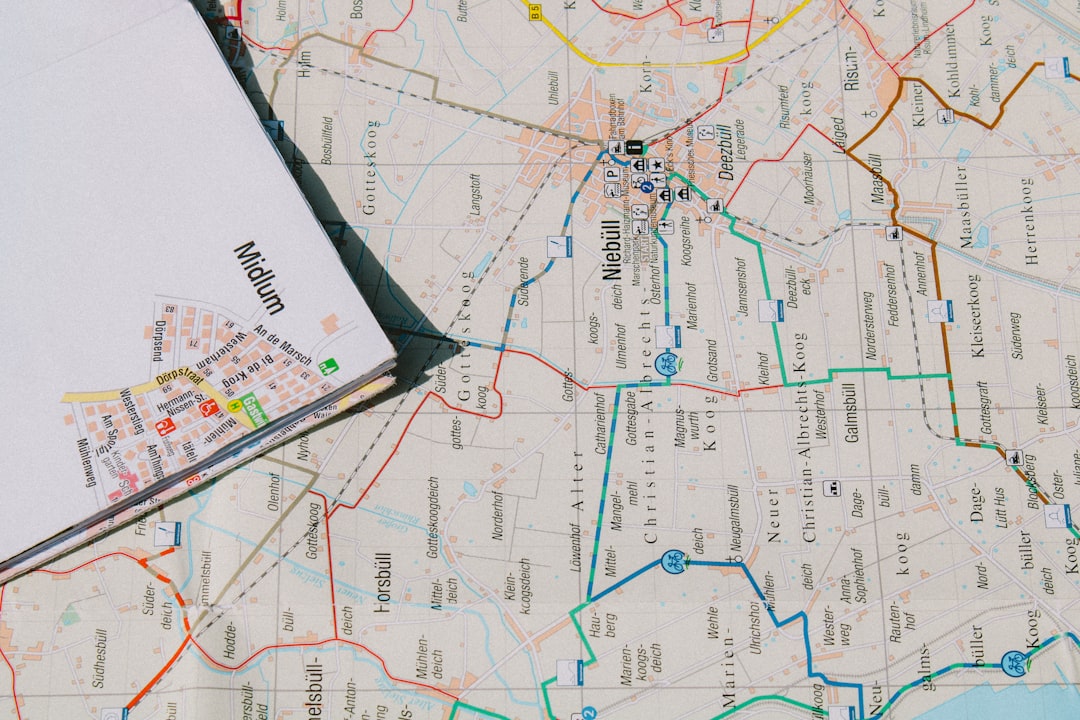
No more drawing lines on a paper map or relying solely on Google Maps for individual trips. This software can take a whole day’s worth of jobs for multiple technicians and plan the most efficient routes. It considers traffic patterns, road closures, time windows for appointments, and vehicle capacity. The goal is to minimize drive time and fuel costs while maximizing the number of jobs completed.
Real-time Tracking and Communication
Once your technicians are out in the field, you need to know what’s happening. The software allows you to track their location in real-time, giving you a clear overview of your entire workforce. This is invaluable for answering customer queries about arrival times or rerouting someone urgently. It also facilitates easy communication between dispatch and technicians through in-app messaging, reducing phone calls and distractions.
Digital Workflows and Paperless Operations
Say goodbye to messy paper forms and lost invoices. Many of these systems include features for digital work orders, electronic signatures, and mobile payment processing. Technicians can update job statuses, take photos of completed work, and collect payments right from their mobile device. This streamlines administrative tasks, reduces errors, and makes record-keeping much simpler.
How to Choose the Right System for Your Business

With so many options out there, picking the right software can feel a bit overwhelming. But by focusing on a few key areas, you can narrow down your choices effectively.
Understand Your Specific Needs
Before you even start looking, sit down and genuinely assess what your business needs. What are your biggest pain points right now? Is it inefficient routing, poor communication, or struggling with scheduling complex jobs? Do you have a small team or a large fleet? What’s your budget? The clearer you are on your needs, the easier it will be to find a solution that fits. Don’t just get caught up in flashy features you might never use.
Look for Key Features
While every business is different, there are some core features that are non-negotiable for effective automated dispatch and routing. Make sure any system you consider offers:
- Intelligent scheduling and dispatching: Not just drag-and-drop, but smart automation based on skills, location, and availability.
- Dynamic route optimization: The ability to adjust routes in real-time based on new jobs, cancellations, or traffic changes.
- GPS tracking: For real-time visibility of your field team.
- Mobile app for technicians: A user-friendly interface for job details, updates, and communication.
- Customer communication tools: Such as automated notifications for arrival times or job completion.
- Reporting and analytics: To track performance, identify bottlenecks, and make data-driven decisions.
Consider Scalability and Integration
Your business isn’t static, and neither should your software be. Look for a system that can grow with you. If you plan to expand your team or service area, will the software be able to handle it?
Also, think about how it integrates with your existing tools. Do you use specific accounting software, CRM (Customer Relationship Management) systems, or inventory management tools? Seamless integration can save you a lot of headache and manual data entry later on. If it can talk to your other systems, it makes your whole operation more cohesive.
Don’t Forget User-Friendliness and Support
Even the most powerful software is useless if your team can’t or won’t use it. The interface should be intuitive for both dispatchers and technicians. Ask for demonstrations and even trial periods to see how easy it is to navigate.
Equally important is vendor support. What kind of training do they offer? Is their customer service easily accessible if you run into problems? Good support can make all the difference during implementation and ongoing use.
Getting Started: Implementation and Adoption
So you’ve chosen your software. Great! But the journey doesn’t end there. Proper implementation and ensuring your team actually uses it are crucial for success.
Phased Rollout is Your Friend
Don’t try to switch everything over at once. A phased rollout allows you to identify and fix issues as they arise without bringing your entire operation to a screeching halt. Start with a small team or specific type of job, gather feedback, and then gradually expand. This approach minimizes disruption and builds confidence within your team.
Training Your Team Effectively
This is non-negotiable. Your dispatchers and technicians are the ones who will be using this software every single day. Invest in thorough training sessions. Explain why you’re making the change – highlight the benefits for them, not just for the business. Be patient, answer questions, and provide ongoing support. Remember, a new system can feel daunting at first, so encouragement is key.
Monitoring and Adjusting
Once the software is live, your work isn’t over. Regularly monitor its performance. Are routes truly optimized? Is communication flowing smoothly? Are technicians adopting the mobile app? Use the reporting features to gather data and identify areas for improvement. Be prepared to make adjustments to your workflows or even how you use the software based on what you learn. It’s an ongoing process of refinement.
Real-World Benefits You Can Expect
| Features | Benefits |
|---|---|
| Real-time tracking | Improved visibility and control over fleet |
| Automated scheduling | Efficient allocation of resources |
| Route optimization | Reduced fuel costs and travel time |
| Customer communication | Enhanced customer satisfaction |
| Reporting and analytics | Insights for performance improvement |
It’s one thing to talk about efficiency, but what does that actually look like on the ground?
Increased Jobs Completed Per Day
This is one of the most immediate and tangible benefits. By optimizing routes and reducing idle time, your technicians can simply get more work done. More jobs mean more revenue without necessarily increasing your overhead. It’s about maximizing the potential of your existing team.
Reduced Fuel Costs and Vehicle Wear-and-Tear
Shorter, more efficient routes directly translate to less fuel burned. Over a year, this can amount to significant savings, especially with fluctuating fuel prices. Less driving also means less wear and tear on your vehicles, extending their lifespan and reducing maintenance costs. These savings often add up to a quicker return on your software investment.
Better Customer Satisfaction and Retention
When you can consistently deliver on time, communicate effectively, and provide reliable service, your customers notice. Happy customers are more likely to become repeat customers and recommend your business to others. This organic growth through positive word-of-mouth is invaluable. You’re building a reputation for reliability.
Improved Employee Morale
Believe it or not, your technicians will likely be happier too. No one enjoys getting lost, sitting in traffic, or having to deal with constantly changing, disorganized schedules. Automated tools provide clear instructions, efficient routes, and a more predictable workday. This reduces stress and frustration, leading to a more content and productive workforce. When your team feels supported and organized, their morale naturally improves.
In a competitive market, optimizing your trade business isn’t just a nice-to-have; it’s essential for survival and growth. Automated dispatch and routing software isn’t just a fancy tech gadget; it’s a powerful tool that can fundamentally transform how you operate, leading to greater efficiency, significant cost savings, and happier customers and employees. It’s definitely worth looking into if you’re serious about taking your business to the next level.
