
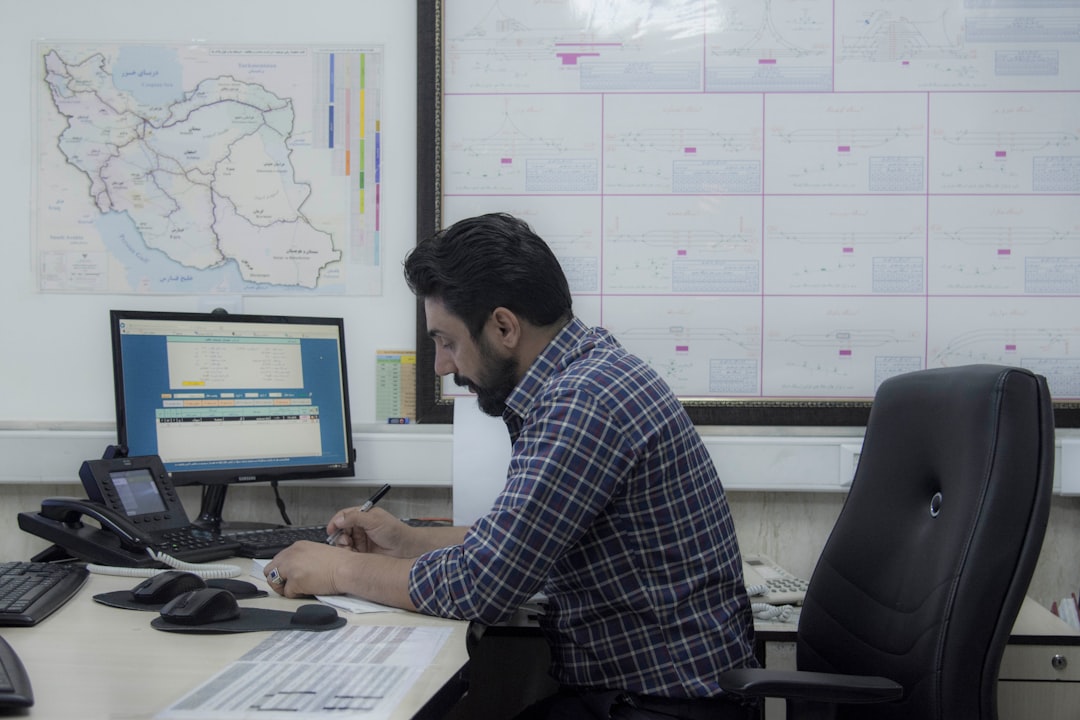

I’ve always been a bit of a control freak, and not in a bad way, I hope. More like, I like to see things run smoothly. If there’s a kink in the system, it irks me. So, when I first took on the role of managing our service department, it was a revelation. The sheer volume of coordination, the constant back-and-forth, it was… a lot. We were good at what we did, of course, but I knew, deep down, that we could be better. More efficient. Faster. Less prone to those inevitable human errors that ripple through a busy operation. That’s when I started exploring service dispatch software, and let me tell you, it’s been a game-changer.
Understanding My Pain Points: The Pre-Software Struggle
Before we get into the nitty-gritty of how this software revolutionized our operations, I want to paint a picture of where I was coming from. Picture this: the phones ringing off the hook, emails piling up, scribbled notes on whiteboards that nobody could decipher, and a constant feeling of urgency. My team was hardworking, no doubt. They’d be out in the field, doing their best, but the communication loop was often broken.
The Manual Maze of Scheduling
I remember the old days, and it still gives me a slight shiver. We had a massive whiteboard where we’d manually write down every job, who was assigned, and their estimated arrival time. It was a visual representation of chaos. There was no real-time update. If a job ran long, or a technician got stuck in traffic, the entire schedule would need to be redrawn. This often led to:
Missed Appointments and Rescheduling Headaches
Inaccurate ETAs for Customers
Overlapping or Underutilized Technician Time
It was a constant juggling act, trying to balance incoming requests with the availability of our limited resources. I’d spend hours each day just trying to figure out who could go where, and often, it felt like I was making educated guesses rather than informed decisions.
Communication Breakdowns and Information Silos
Communication is the lifeblood of any service operation, and ours was, frankly, anemic. Information was often lost in translation or simply never made it to the right person.
Technicians Lacking Crucial Job Details
Dispatchers Unaware of Field Progress
Customer Frustration Due to Lack of Updates
I recall instances where a technician would arrive at a job site with incomplete information, leading to delays or requiring them to call back to the office for clarification. This not only wasted precious time but also reflected poorly on our professionalism. The information was there, somewhere, but it wasn’t accessible when and where it was needed most.
The Inefficiency of Reactive Problem Solving
Instead of proactively managing our workflow, we were constantly reacting to problems as they arose. A technician was sick? We scrambled to cover their jobs. A customer reported an issue? We’d scramble to fit them in. This reactive approach was exhausting and inherently inefficient.
Firefighting Instead of Strategizing
Missed Opportunities for Preventative Maintenance
Increased Stress Levels for the Entire Team
It felt like we were running on a treadmill, always moving but never getting ahead. The lack of visibility into our overall operational flow meant we couldn’t identify trends, predict potential bottlenecks, or optimize our resources effectively.
The Dawn of a New Era: Introducing Service Dispatch Software
It was a colleague, actually, who first mentioned their company’s experience with service dispatch software. They spoke of streamlined operations, happier technicians, and more satisfied customers. I was intrigued but also a little skeptical. Could a piece of software really solve all our problems? After much research and a demo that blew me away, I decided to take the plunge. The initial investment felt significant, but I was convinced the return on investment, in terms of efficiency and reduced operational costs, would be immense.
Centralized Command and Control
The most immediate and impactful change was the creation of a single, unified platform for all our service operations. No more scattered notes or lost emails. Everything was in one place, accessible to the right people at the right time.
Real-time Job Tracking and Status Updates
Comprehensive Customer and Job History
Centralized Document and File Management
This centralized hub immediately brought a sense of order to the chaos. I could see at a glance what was happening across the entire department, from incoming requests to completed jobs.
Intelligent Automation and Optimization
This was where the real magic happened for me. The software didn’t just organize information; it helped us make smarter decisions.
Algorithmic Job Assignment Based on Skills and Location
Route Optimization for Technicians
Automated Appointment Reminders for Customers
The intelligent algorithms that suggested technician assignments based on their skills, proximity to the job, and availability were revolutionary. It took the guesswork out of scheduling and ensured that the right person was sent to the right job, every time.
Enhanced Communication Channels
The software provided a clear and efficient way for everyone on the team to communicate.
In-app Messaging Between Dispatchers and Technicians
Automated Notifications for Job Status Changes
Direct Communication with Customers via SMS or Email
This dramatically reduced the chances of miscommunication and ensured that everyone was always on the same page. Technicians could update their status directly from the field, and customers received timely notifications about their appointments and job progress.
Streamlining the Dispatch Process: From Chaos to Control
The core function of service dispatch software, as its name suggests, is to revolutionize how we manage our field service operations. It’s the engine that drives efficiency, and I’ve seen firsthand how it transforms a chaotic process into a well-oiled machine.
Real-time Visibility into Technician Activity
One of the biggest advantages is the real-time tracking of my technicians. I can see exactly where they are, their current job status, and their estimated time of arrival for their next appointment. This level of visibility is invaluable.
GPS Tracking for Location Monitoring
Status Updates Via Mobile App (e.g., “On My Way,” “At Job,” “Completed”)
Work History and Performance Metrics Available Instantly
This means I can proactively manage any potential delays. If I see a technician is running late for their next job, I can immediately notify the customer and, if necessary, reassign a nearby technician to avoid a missed appointment. It shifts my role from reactive fire-fighting to proactive problem-solving.
Proactive Customer Communication and Expectation Management
Efficient Reassignment of Jobs in Case of Delays or Emergencies
Accurate Recording of Technician Time and Travel
The ability to see where everyone is also helps to optimize their routes. The software can suggest the most efficient order of jobs based on locations, minimizing travel time and fuel costs. This is a tangible benefit that directly impacts our bottom line.
Intelligent Job Assignment and Scheduling
Gone are the days of me staring at a whiteboard, trying to mentally shuffle technicians around. The software takes the burden of complex scheduling off my shoulders.
Skills-Based Matching of Technicians to Job Requirements
Proximity-Based Assignment to Minimize Travel Time
Automated Conflict Detection for Double Bookings or Overlapping Schedules
The system can be configured with technician skill sets and certifications. When a new job comes in, it can automatically suggest the most qualified technician available, considering their location and current workload. This not only ensures that customers receive the best possible service but also maximizes the utilization of our skilled workforce.
Maximizing Technician Utilization and Reducing Idle Time
Ensuring the Right Expertise is Deployed for Each Task
Minimizing Human Error in Complex Scheduling Scenarios
I used to spend at least an hour, sometimes two, every morning just trying to get the day’s schedule sorted. Now, that process takes minutes, if that. The software presents me with optimized schedules, and I simply review and approve them. It’s a massive time saver and frankly, less stressful.
Mobile Dispatch for Field Technicians
The mobile app for our technicians is a crucial component of the system. It bridges the gap between the office and the field, providing them with all the information they need at their fingertips.
Access to Job Details, Customer Information, and Service History
Ability to Update Job Status and Add Notes in Real-time
Capture of Signatures and Photos for Job Completion Verification
This empowers my technicians. They arrive at a job site with a clear understanding of the problem, the customer’s history, and the necessary steps to complete the work. They can input data directly from their mobile devices, eliminating the need for paper forms and reducing the risk of data entry errors back at the office.
Reducing Paperwork and Administrative Burden in the Field
Improving Data Accuracy and Completeness
Enabling Faster Job Completion and Invoicing
The ability for them to instantly update job statuses means I’m always aware of their progress. If they encounter an unexpected issue, they can flag it immediately, and we can address it proactively. This creates a more seamless workflow and a more responsive service.
Enhancing Customer Experience: Beyond Efficient Operations
While operational efficiency is a primary driver for adopting service dispatch software, the impact on customer satisfaction is equally, if not more, important. Happy customers are repeat customers, and they are more likely to refer our business to others.
Improved Communication and Transparency
One of the biggest customer complaints in any service industry is a lack of communication. We’ve significantly reduced this by using the software to keep our customers informed at every step.
Automated Appointment Reminders Via SMS or Email
Real-time Notifications of Technician Arrival Times
Proactive Updates on Job Progress or Potential Delays
This transparency builds trust. Customers appreciate knowing when their technician will arrive, and they feel more valued when they receive updates, even if there’s a slight delay. It sets clear expectations and avoids that frustrating “waiting and wondering” period.
Reducing Customer Anxiety and Uncertainty
Building Customer Trust Through Open Communication
Decreasing Missed Appointments Due to Lack of Awareness
I’ve received numerous comments from customers expressing their appreciation for the proactive communication. It’s often the small things that make the biggest difference, and keeping customers informed is a prime example.
Faster Response Times and Reduced Downtime
By optimizing our scheduling and dispatch processes, we’ve been able to significantly reduce our response times. This is critical for customers who are facing urgent issues.
Quicker Identification of Available Technicians for Urgent Jobs
Optimized Routing to Minimize Travel Time for Emergency Calls
Reduced Overall Job Completion Times Through Efficient Workflow
This means that when a customer calls with a critical problem, we can get a technician to them much faster. This not only resolves their issues quicker but also minimizes any potential downtime they might experience, which is often a significant cost for businesses.
Minimizing Business Interruption for Clients
Resolving Customer Issues Promptly and Effectively
Enhancing Our Reputation for Reliability and Responsiveness
The ability to quickly mobilize resources and get technicians on-site rapidly is a major competitive advantage. It demonstrates our commitment to customer service and our ability to deliver on our promises.
Personalized Service and Access to History
The software provides my technicians with a comprehensive view of each customer’s service history. This allows for a more personalized and informed service experience.
Technicians Accessing Past Service Records and Notes
Understanding Previous Issues and Solutions Implemented
Providing Tailored Recommendations Based on Past Interactions
When a technician arrives, they can instantly see what work has been done before, what issues have arisen, and what solutions were applied. This allows them to build on that knowledge, avoid repeating mistakes, and offer more relevant advice or solutions. It makes the customer feel understood and not like they’re starting from scratch every time.
Building Stronger Customer Relationships Through Familiarity
Offering More Informed and Relevant Service Solutions
Reducing the Need for Customers to Re-explain Their Issues
This personalized approach fosters loyalty. Customers appreciate it when a service provider remembers their history and can offer solutions that are tailored to their specific needs. It’s a key differentiator in a crowded market.
Empowering My Team: The Human Element in Technology
While I’m all about efficiency and technology, I also recognize that the success of any system lies with the people using it. Service dispatch software, when implemented correctly, actually empowers my team rather than replacing them.
Enabling Technicians to Focus on Their Expertise
The software takes away a lot of the administrative burden that used to weigh down my technicians. They can spend less time on paperwork and more time doing what they do best: fixing things.
Reduced Administrative Tasks and Paperwork
More Time for On-Site Diagnostics and Problem Solving
Increased Job Satisfaction Through Focus on Core Competencies
When technicians are freed from the constant struggle of inefficient dispatch and reporting, their morale improves. They feel more valued and more productive. They are engineers, mechanics, electricians – their skills are in demand for their technical expertise, not for their administrative prowess.
Shifting Focus from Bureaucracy to Technical Skill
Enhancing Professionalism and Efficiency in the Field
Boosting Morale and Reducing Burnout Among Field Staff
It’s a win-win. They get to do more of the work they enjoy, and we get more efficient and effective service delivery.
Providing Better Tools for Performance and Growth
The software also provides valuable data that can be used for performance reviews and professional development.
Performance Tracking and Reporting for Individual Technicians
Identification of Training Needs and Skill Gaps
Opportunities for Skill Development and Career Advancement
I can see who is consistently performing well, who might be struggling with certain types of jobs, and where there might be opportunities for additional training. This data-driven approach allows me to provide more targeted feedback and support to my team, helping them to grow and develop their careers within the company.
Data-Driven Feedback and Coaching for Team Members
Targeted Training Programs to Address Specific Needs
Fostering a Culture of Continuous Improvement and Learning
This investment in my team’s development not only benefits them individually but also strengthens the overall capabilities of our service department.
Fostering Collaboration and Knowledge Sharing
The centralized platform encourages better collaboration among my team members.
Easy Access to Shared Job Notes and Customer Information
Facilitating Peer-to-Peer Learning and Support
Creating a Sense of Teamwork and Shared Responsibility
Technicians can easily share information about challenging jobs or successful solutions with their colleagues, fostering a collaborative environment. This can lead to faster problem-solving and the dissemination of best practices across the team.
Breaking Down Information Silos Between Team Members
Encouraging the Exchange of Best Practices and Solutions
Strengthening Team Cohesion and Collective Problem-Solving Abilities
It allows for a more unified approach to service delivery, where everyone benefits from the collective knowledge and experience of the team.
The Future of Service Dispatch: Continuous Improvement and Innovation
Implementing service dispatch software was a significant step forward, but I see it as an ongoing journey of continuous improvement. The technology is constantly evolving, and there are always new ways to leverage it to further enhance our efficiency and customer satisfaction.
Leveraging Data Analytics for Strategic Decision-Making
The wealth of data generated by the software is an invaluable resource for strategic decision-making.
Analyzing Trends in Job Types, Call Volumes, and Resolution Times
Identifying Bottlenecks and Areas for Process Improvement
Forecasting Future Resource Needs and Demand
By analyzing this data, I can gain deeper insights into our operations. I can identify patterns in customer requests, predict peak demand periods, and pinpoint areas where our processes might be inefficient. This allows me to make informed decisions about resource allocation, staffing, and even the types of services we offer.
Optimizing Resource Allocation Based on Real-Time Data
Proactive Identification of Potential Operational Challenges
Developing Data-Driven Strategies for Growth and Efficiency
This is not just about making day-to-day operations smoother; it’s about shaping the future of our service department.
Integrating with Other Business Systems
One of the next frontiers for us is integrating the service dispatch software with other critical business systems, such as CRM, accounting, and inventory management.
Seamless Flow of Information Between Departments
Eliminating Redundant Data Entry and Manual Transfers
Creating a Holistic View of the Customer Journey
This integration will create a truly unified ecosystem, where information flows seamlessly between different departments. Imagine a scenario where a completed service job automatically triggers an invoice in the accounting system, or where inventory levels are updated in real-time as parts are used.
Streamlining Cross-Departmental Workflows
Enhancing Data Accuracy and Consistency Across Systems
Providing a Comprehensive 360-Degree View of Business Operations
This level of integration promises to unlock even greater levels of efficiency and provide a more connected and informed experience for both our internal teams and our customers.
Embracing Emerging Technologies
The world of field service technology is constantly innovating. I’m always keeping an eye on emerging trends that could further enhance our operations.
Exploring the Potential of AI and Machine Learning for Predictive Maintenance
Investigating the use of Augmented Reality (AR) for Remote Assistance
Staying Abreast of New Mobile Technologies and Device Capabilities
The potential of AI for predictive maintenance, for example, is incredibly exciting. Imagine being able to identify potential equipment failures before they happen, allowing us to schedule preventative maintenance and avoid costly downtime for our customers. Similarly, AR could allow senior technicians to remotely guide junior technicians through complex repairs, leveraging expertise across geographical boundaries.
Anticipating Future Needs and Preparing for Technological Advancements
Investing in Innovation to Maintain a Competitive Edge
Continuously Seeking Ways to Improve Service Delivery and Customer Satisfaction
By staying at the forefront of technological advancements, I aim to ensure that our service department remains not only efficient but also innovative and adaptable in the years to come. My journey with service dispatch software has been a testament to the power of technology in transforming even the most complex operational challenges into opportunities for excellence. It’s about more than just software; it’s about creating a better, more efficient, and more satisfying experience for everyone involved.
