
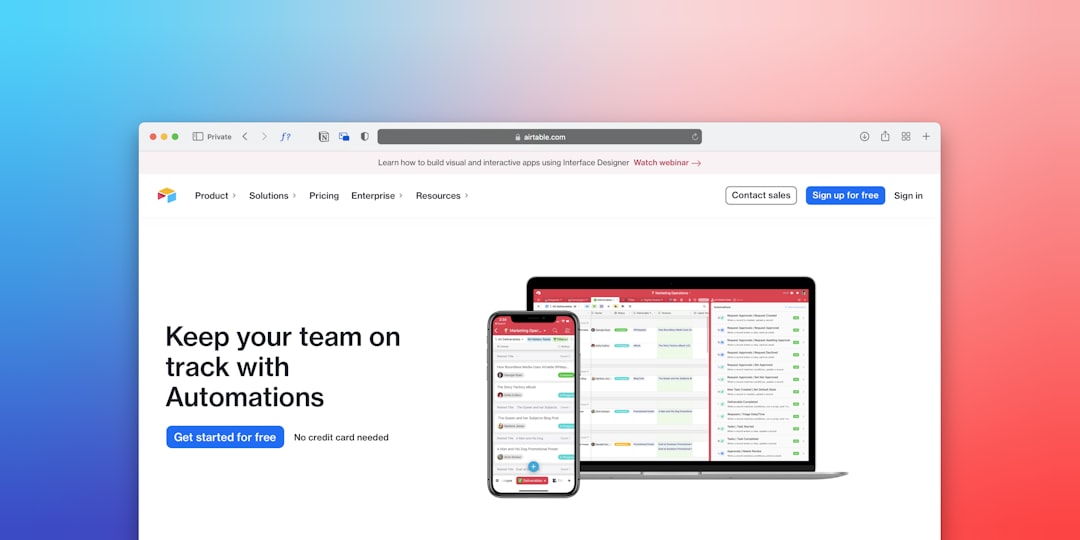

Navigating the complexities of field service management has always been a challenging endeavor for me. I’ve personally experienced the frustration of juggling multiple spreadsheets, making hurried phone calls, and constantly trying to locate my technicians in real-time. It’s a delicate dance of scheduling, logistics, and customer satisfaction, and for a long time, I felt like I was perpetually one step behind. Then I discovered the transformative power of dispatch software, and my perspective on efficiency, productivity, and customer service fundamentally shifted. It wasn’t just a tool; it became my operational backbone.
Before I dive into the solutions, I think it’s crucial to acknowledge the pain points that led me to seek out dispatch software in the first place. My traditional methods, while seemingly straightforward on the surface, were riddled with inefficiencies that trickled down to every aspect of my business, from technician morale to client satisfaction. I was consistently battling against a system that was fundamentally reactive rather than proactive.
The Tyranny of Manual Scheduling
I vividly remember the days spent meticulously crafting schedules on a whiteboard or, even worse, in a clunky Excel spreadsheet. It was a Herculean task, attempting to factor in service request urgency, technician availability, skill sets, and geographical locations. A single last-minute cancellation or an emergency call would send my carefully constructed schedule spiraling into chaos. I’d spend hours rearranging, calling technicians one by one, and often, due to human error, I’d end up with double bookings or missed appointments. It was a constant source of stress and wasted time for me.
The Unseen Costs of Communication Gaps
Communication, or rather the lack thereof, was another significant hurdle. I found myself frequently calling technicians for updates on their progress, their estimated time of arrival, or to relay new instructions. This constant back-and-forth wasn’t just time-consuming; it was disruptive for both me and my field staff. Technicians would have to pull over or interrupt their work, and I’d often be left in the dark about critical job status updates until I could get in touch with them. This lack of real-time visibility meant I couldn’t always provide accurate information to waiting customers, which is something I deeply value.
The Hidden Drain of Paperwork and Data Entry
I confess, I have a love-hate relationship with paper. While it feels tangible, in the context of field service, it was a colossal drain on my resources. Work orders, invoices, service reports – they all started as paper documents. My technicians would fill them out in the field, sometimes illegibly, and then I’d have to wait for them to return to the office for me to manually enter all that data into my system. This double-entry process was not only prone to errors but also incredibly time-consuming. The delay in data entry meant I couldn’t get a true picture of my financial performance or service trends until days, sometimes weeks, after the work was completed.
The Transformative Power of Modern Dispatch Software for My Operations
When I finally embraced modern dispatch software, it felt like I had been given a new set of eyes. The immediate shift from reactive firefighting to proactive management was palpable. I started seeing improvements not just in individual tasks but in the overall flow and profitability of my business. It truly felt like I had a co-pilot, intelligently guiding my operations.
Streamlined Scheduling and Optimization
This is where the magic truly began for me. My dispatch software transformed my scheduling process from a nightmare into a finely tuned operation. I could now input service requests, and the system would intelligently suggest the best technician based on a multitude of factors that I previously had to manually juggle.
Smart Assignment Algorithms
I was particularly impressed by the algorithms that consider not just proximity but also technician skills, certifications, and even their current workload. This meant I was no longer sending my most experienced HVAC technician to a simple plumbing issue when another, closer plumber was available. It eliminated guesswork and ensured the right person was always dispatched to the right job, maximizing first-time fix rates.
Dynamic Route Optimization
The included route optimization feature was a godsend for me. Instead of technicians planning routes on the fly or using generic mapping tools, the software automatically generates the most efficient routes, considering real-time traffic conditions. This has significantly reduced fuel costs, travel time, and wear and tear on my fleet, which in turn directly impacts my bottom line. I no longer worry about my technicians getting lost or taking inefficient detours.
Automated Scheduling Updates
One of my biggest past frustrations was managing schedule changes. Now, if a job takes longer than expected or an emergency arises, the system automatically adjusts subsequent appointments and notifies me and the affected customers. This automation has dramatically reduced my administrative burden and improved customer communication, something I take great pride in.
Real-time Visibility and Communication
The ability to see my entire field operation in real-time was a game-changer for me. Before, I was constantly guessing where my technicians were and what they were doing. Now, a quick glance at my dashboard gives me an instant overview.
GPS Tracking and Geofencing
I can now see the exact location of each of my technicians on a map. This isn’t just about accountability; it’s about better resource allocation. If an urgent call comes in, I can quickly identify the closest available technician. Geofencing also helps me track arrival and departure times automatically, which provides accurate billing information and ensures technicians are on-site for the expected duration.
Instant Job Status Updates
Through their mobile apps, my technicians can update job statuses in real-time – “En Route,” “On-Site,” “Work in Progress,” “Job Completed.” These updates instantly appear on my dispatch console, giving me immediate insight into the progress of each job. This transparency allows me to answer customer queries with confidence and proactively address any potential delays.
Integrated Communication Channels
Many dispatch software solutions offer integrated chat or messaging features. I find this invaluable for quick communication with my field staff without having to resort to phone calls that disrupt their work. I can send job-specific instructions, ask questions, or provide support directly through the platform, keeping context organized within the job record.
Enhancing Customer Satisfaction and Experience
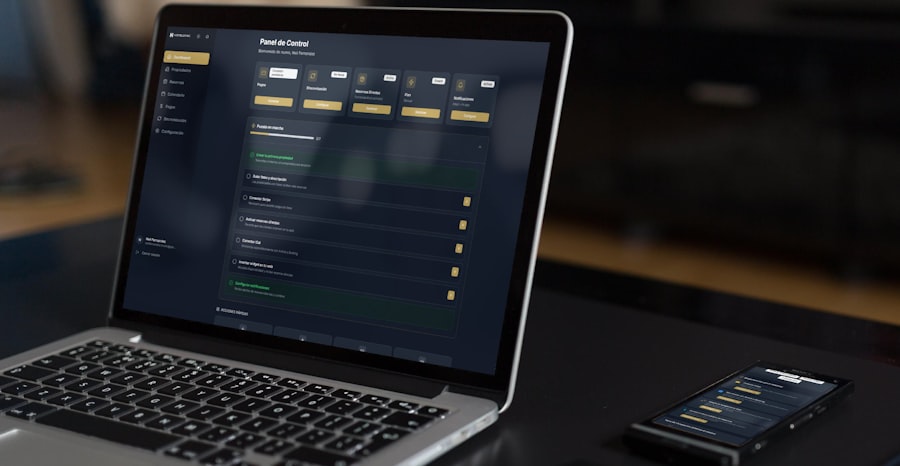
For me, customer satisfaction is paramount. It’s not just about getting the job done; it’s about providing an excellent experience from start to finish. My dispatch software has unequivocally elevated my customer service capabilities.
Proactive Customer Communication
I love being able to keep my customers informed without having to manually call each one. My dispatch software automates sending personalized messages to customers, notifying them when a technician is en route, their estimated time of arrival, and even a photo of the technician for added security and peace of mind. This level of proactive communication significantly reduces “where’s my technician?” calls and builds trust.
Automated Appointment Reminders
No-shows and missed appointments were a significant drain on my resources. With automated appointment reminders sent via SMS or email, I’ve seen a dramatic reduction in these occurrences. This not only saves my technicians from wasted trips but also ensures that my customers are prepared for their service appointment.
Real-time Technician Tracking for Customers
Some advanced dispatch software even provides a link for customers to track their technician’s location in real-time, similar to popular ride-sharing apps. This transparency is a huge differentiator for me and fosters a sense of control and convenience for my clients. It’s a small detail that makes a big impact on their overall experience.
Improved Service Quality and Accountability
When my technicians are well-informed and equipped, they can provide better service. The software provides them with all the necessary job details directly on their mobile devices.
Access to Complete Job History
Before dispatching, I can easily review a customer’s service history, notes from previous visits, and installed equipment details. This ensures my technicians arrive fully prepared, which leads to quicker diagnostics and higher first-time fix rates. It eliminates the need for redundant information gathering and allows for a more personalized service.
Digital Checklists and Workflows
I’ve implemented digital checklists within the software for various job types. This ensures technicians follow standard operating procedures, don’t miss critical steps, and collect all necessary information and signatures. This consistency in service delivery directly translates to higher quality work and fewer callbacks for me.
Boosting My Bottom Line and Operational Efficiency
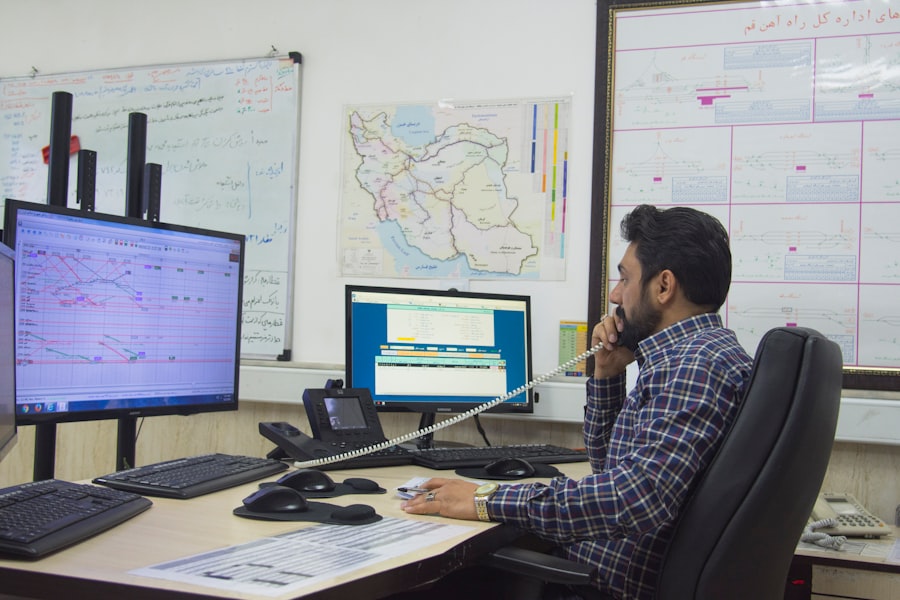
Ultimately, for any business, the goal is to improve profitability and operational efficiency. My dispatch software has proven to be an invaluable asset in achieving both of these objectives. I’ve seen concrete improvements in various financial and operational metrics.
Reduced Operating Costs
The cost savings I’ve experienced have been considerable. From reduced fuel consumption due to optimized routing to fewer administrative hours spent on scheduling and data entry, the impact is tangible.
Minimized Fuel and Maintenance Expenses
Optimized routes mean less time spent on the road and fewer miles driven. This directly translates to lower fuel costs and reduced wear and tear on my fleet vehicles, extending their lifespan and lowering maintenance expenses. These savings compound over time, providing significant financial benefits.
Reduced Administrative Overhead
The automation of scheduling, communication, and data entry has freed up countless hours of my own time, as well as my administrative staff’s. This allows us to focus on more strategic tasks, improving overall productivity without increasing headcount. I can now dedicate my time to growing my business rather than getting bogged down in manual processes.
Enhanced Productivity and Technician Utilization
My technicians are now more productive than ever. They spend less time traveling, less time on administrative tasks, and more time completing billable work.
Maximized Daily Appointments
With efficient scheduling and route optimization, my technicians can complete more jobs in a day. This means higher revenue generation per technician and better utilization of my valuable skilled labor. I can confidently take on more work knowing my team can handle it efficiently.
Faster Invoice Generation and Payment Processing
One of the greatest financial benefits for me is the ability to generate invoices and process payments directly from the field. Technicians can collect signatures, process credit card payments through their mobile devices, and email receipts immediately upon job completion. This significantly reduces my billing cycle, improves cash flow, and eliminates the need for manual invoice creation back at the office.
Robust Reporting and Analytics for Informed Decision-Making
Before, I was making decisions based on intuition or incomplete data. Now, my dispatch software provides me with a wealth of data and analytical tools that allow me to make truly informed choices.
Performance Metrics and KPIs
I can track key performance indicators (KPIs) such as first-time fix rates, average job completion time, technician utilization, customer satisfaction scores, and more. This data helps me identify areas of strength and weakness in my operations.
Trend Analysis and Forecasting
By analyzing historical data, I can identify service trends, predict peak seasons, and adjust my staffing levels accordingly. This proactive approach helps me better manage my resources and ensures I’m always prepared for fluctuations in demand, something that was a constant struggle for me in the past.
Profitability Reporting
I can generate detailed reports on job profitability, quickly identifying which types of services or clients are most lucrative and which might need adjustment. This insight is invaluable for strategic planning and optimizing my service offerings.
My Journey Towards a More Efficient Future
| Metrics | Value |
|---|---|
| Number of dispatches | 150 |
| Response time | 30 minutes |
| Customer satisfaction rate | 90% |
| Technician utilization | 80% |
My adoption of dispatch software wasn’t just about implementing a new tool; it was about transforming my entire operational philosophy. I moved from a reactive, fire-fighting mode to a proactive, strategically managed approach. The benefits have permeated every aspect of my field service business, from empowering my technicians to delighting my customers and, ultimately, improving my bottom line.
For anyone in field service still relying on outdated methods, I implore you to explore the possibilities of dispatch software. It’s an investment that pays dividends, not just in terms of efficiency and cost savings, but in the peace of mind and control it brings to your daily operations. I’ve personally experienced this profound improvement, and I can confidently say that dispatch software is not just a luxury; it’s a necessity for thriving in today’s competitive field service landscape. It has allowed me to focus on what I do best: providing excellent service and growing my business.
