
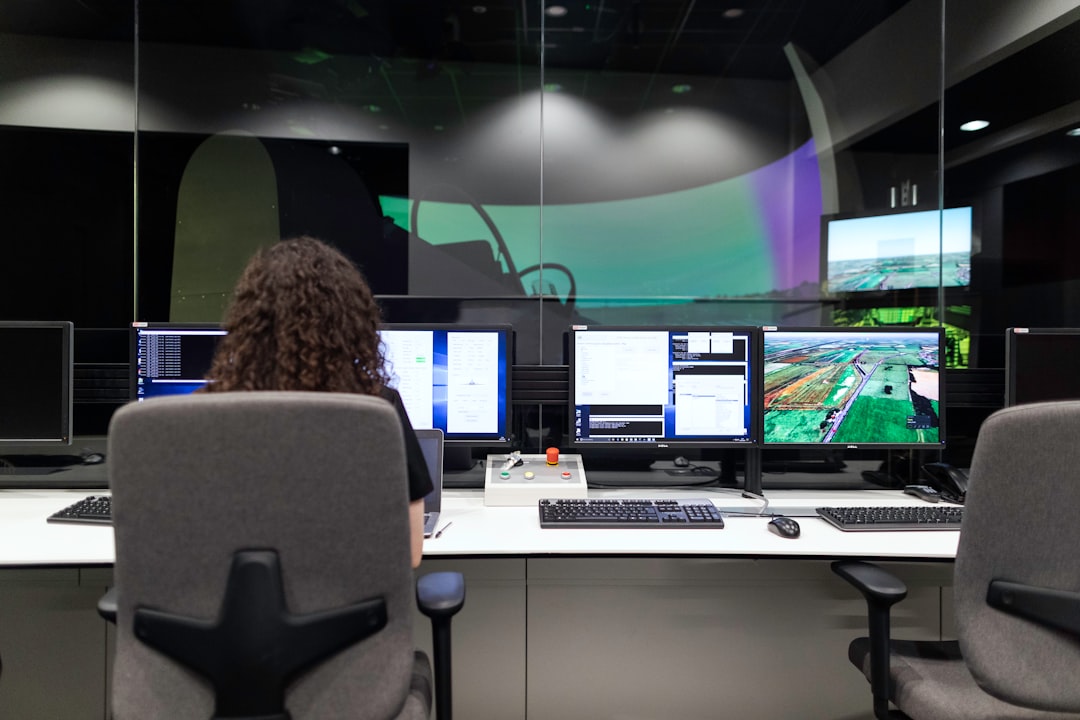

I remember a time when my service business felt like a chaotic symphony. Phones ringing off the hook, technicians scrambling, customers growing impatient – it was a daily struggle. I knew I needed a change, a way to streamline operations and bring order to the madness. That’s when I discovered service dispatch programs, and they quite literally transformed my business. Looking back, I can confidently say that embracing this technology wasn’t just an upgrade; it was a revolution for me.
Before diving into the nitty-gritty of how I maximized my efficiency, it’s important to understand what a service dispatch program is at its core and why it became so indispensable to my operations.
Understanding the Core Functionality
At its heart, a service dispatch program is a software solution designed to optimize the process of assigning and managing field service technicians. Think of it as a central nervous system for your service operations. For me, it took the guesswork out of who was doing what, where, and when.
- Centralized Information Hub: This was a game-changer. Instead of scattered notes, emails, and frantic phone calls, all my customer data, job details, technician availability, and equipment information were in one accessible place. I could see everything at a glance.
- Automated Scheduling and Assignment: No more manually assigning jobs to technicians by looking at a whiteboard. The program started suggesting optimal routes and technician assignments based on skills, availability, and location. This saved me countless hours each week.
- Real-time Communication: This feature alone felt like unlocking a superpower. I could communicate instantly with my technicians in the field, updating them on schedule changes, providing additional job details, or even offering remote assistance if they encountered a problem.
- Tracking and Monitoring: I gained full visibility into my technicians’ movements and job statuses. I could see where everyone was, what they were working on, and how long they were taking. This wasn’t about micromanagement; it was about proactive problem-solving and ensuring customer satisfaction.
The Problem I Was Facing (Before the Solution)
Before adopting a service dispatch program, my business was plagued by several inefficiencies that constantly chipped away at my profits and my sanity.
- Poor Scheduling and Route Optimization: My technicians often spent more time driving between jobs than actually performing service. They’d backtrack, get stuck in traffic unnecessarily, and essentially, burn fuel and valuable time. I remember one technician complaining he spent half his day in his van.
- Missed Appointments and Delays: With manual scheduling, it was incredibly easy to overbook or make mistakes. Customers would sometimes wait for hours, leading to frustration and, inevitably, lost business. The number of apologetic phone calls I had to make was embarrassingly high.
- Lack of Real-time Visibility: I often felt like I was operating in the dark. I wouldn’t know if a technician was running late until a customer called to complain. There was no way for me to instantly gauge their progress or redirect them to an urgent job.
- Manual Paperwork and Errors: Invoices, work orders, service reports – everything was paper-based. This led to mountains of filing, data entry errors, and significant delays in billing. I vividly recall a frustrating evening spent trying to decipher a technician’s handwritten notes.
- Inefficient Resource Allocation: I struggled to match the right technician with the right skill set to the right job. Sometimes, a general technician would be sent to a specialized task, leading to extended service times or the need for a follow-up visit with an expert.
Implementing the Right Service Dispatch Program for My Business
Choosing the right service dispatch program wasn’t a snap decision; it was a careful process of evaluating my needs and the options available. I knew a generic solution wouldn’t cut it.
Identifying My Specific Needs and Goals
Before even looking at software, I sat down and made a comprehensive list of what I needed the program to achieve for my business. I encouraged my team to contribute as well, as they were the ones on the front lines.
- Improve First-Time Fix Rates: This was a huge goal for me. I wanted to empower my technicians with all the information they needed to resolve issues on the first visit, reducing costly callbacks.
- Reduce Operational Costs: Fuel consumption, technician overtime, and administrative overhead were significant expenses I aimed to cut down.
- Enhance Customer Satisfaction: Happy customers are loyal customers. I wanted to provide accurate ETAs, timely service, and clear communication throughout the service process.
- Boost Technician Productivity: I aimed to give my technicians the tools to work smarter, not harder. This included easier access to job details, digital forms, and streamlined workflows.
- Simplify Billing and Invoicing: Getting paid quickly and accurately was a priority. I wanted to move away from my cumbersome manual invoicing system.
The Selection Process (Trial and Error)
I didn’t settle for the first program I saw. I conducted extensive research, read reviews, and even tried a couple of free trials. It was a bit like dating; I had to find the one that truly fit.
- Feature Comparison: I created a spreadsheet comparing features like GPS tracking, mobile app capabilities, integration options, and reporting functionalities across different platforms. This really helped me organize my thoughts.
- User Interface and Ease of Use: I knew that if the software wasn’t intuitive, my technicians wouldn’t adopt it, and all my efforts would be wasted. I paid close attention to how easy it was to navigate and perform basic tasks during trials. My technicians’ feedback here was invaluable.
- Integration Capabilities: My business already used a CRM and accounting software. I prioritized programs that could easily integrate with my existing systems to avoid data silos and manual data entry.
- Customer Support: I knew that transitioning to a new system would inevitably come with questions and potential issues. Strong customer support was a non-negotiable for me. I even tested their response times during my trial periods.
- Scalability: I had ambitions for growth, so I chose a program that could scale with my business, accommodating more technicians, more customers, and more complex operations in the future.
Maximizing Operational Efficiency with the Program

Once I had my chosen service dispatch program in place, the real work began: leveraging its features to squeeze out every drop of efficiency. This wasn’t a “set it and forget it” kind of deal.
Optimizing Scheduling and Dispatching
This was the area where I saw the most immediate and dramatic improvements. The shift from manual scheduling to automated, data-driven dispatching was profound.
- Smart Scheduling Algorithms: My program used sophisticated algorithms to create optimized schedules. It considered technician skills, proximity to the customer, job priority, and even predicted traffic patterns. I simply input the job details, and it did the heavy lifting. This dramatically cut down on travel time and fuel costs.
- Dynamic Re-routing: Life happens. Emergencies arise, and schedules change. My program allowed me to dynamically re-route technicians in real-time. If a technician finished a job early or if an urgent call came in, I could quickly identify the closest and most suitable technician and reassign them, minimizing downtime.
- Geofencing and GPS Tracking: I utilized geofencing to automatically track technician arrivals and departures from job sites. This provided accurate time tracking and eliminated disputes over billable hours. The GPS tracking also gave me peace of mind, knowing where my team was at all times.
- Customer Notifications: A crucial aspect of enhanced customer satisfaction was proactive communication. My program automatically sent customers appointment reminders, technician arrival notifications (with an ETA and even a picture of the technician!), and job completion updates. This reduced “where’s my technician?” calls by a significant margin.
Enhancing Field Service Productivity
My technicians are the backbone of my business, and empowering them with the right tools was paramount to increasing their efficiency and job satisfaction.
- Mobile App Functionality: The mobile app became my technicians’ best friend. It provided them with access to their daily schedules, customer contact information, job details, service history, and even equipment manuals directly on their tablets or smartphones. No more calling the office for every little detail.
- Digitalized Workflows: We moved completely away from paper forms. Technicians could complete digital work orders, capture signatures, take photos before and after service, and even process payments right from the job site. This streamlined the administrative burden and ensured accuracy.
- On-site Inventory Management: For jobs requiring specific parts, my program allowed technicians to check inventory availability in real-time and even request parts from the warehouse before leaving the customer site. This reduced instances of having to return for a missing part.
- Knowledge Base Access: Some programs, including mine, had a built-in knowledge base. Technicians could quickly search for troubleshooting guides, repair procedures, and technical specifications while on the job, empowering them to resolve complex issues more efficiently.
Data-Driven Decision Making and Continuous Improvement

One of the unexpected but deeply impactful benefits of using a service dispatch program was the wealth of data it provided. This data moved me from making gut-feeling decisions to evidence-based strategies.
Generating Actionable Insights
The reporting features in my service dispatch program became a powerful tool for understanding my business performance. I wasn’t just reacting to problems anymore; I was pro-actively identifying opportunities for improvement.
- Performance Metrics: I could easily track key performance indicators (KPIs) like first-time fix rates, average service times, technician utilization, customer response times, and job completion rates. This allowed me to identify my top performers and areas where additional training might be needed.
- Route and Fuel Efficiency Reports: The program provided detailed reports on travel distances, fuel consumption, and ideal vs. actual routes. Analyzing this data helped me refine my scheduling strategies even further, leading to significant savings in fuel costs.
- Customer Feedback and NPS Scores: Many programs integrate with customer feedback tools, allowing me to collect data on customer satisfaction. I used this to identify trends, address recurring issues, and improve our overall service quality. This truly helped me ensure customer loyalty.
- Revenue and Profitability Analysis: By linking job costs (technician time, parts, travel) with revenue generated, I could gain a clearer picture of the profitability of different service types and individual jobs. This helped me adjust pricing strategies and focus on the most profitable services.
Iterative Process of Refinement
My journey with service dispatch programs wasn’t a one-and-done implementation. It was an ongoing process of analysis, adjustment, and improvement.
- Regular Data Reviews: I made it a point to review my business’s performance data weekly initially, then monthly. This allowed me to spot bottlenecks, inefficiencies, or emerging trends early on.
- Feedback Loops with My Team: I actively sought feedback from my technicians and dispatchers. They were the ones using the system daily, and their insights were crucial for identifying areas that could be improved or customized. Their practical experience often highlighted issues I wouldn’t see from my office.
- Software Updates and New Features: I stayed proactive about exploring new features and updates released by the software provider. Often, these updates included functionalities that further enhanced our efficiency or addressed specific challenges we were facing.
- Training and Development: As our processes evolved and new features were introduced, I invested in ongoing training for my team. Ensuring everyone was proficient with the software was key to maximizing its potential. I wanted everyone to feel comfortable and confident using the tools I provided.
In conclusion, implementing a service dispatch program was one of the smartest decisions I made for my business. It was more than just software; it was a fundamental shift in how I managed my operations. From reducing chaos and wasted time to empowering my technicians and delighting my customers, the benefits have been immense. If you’re a service business owner struggling with similar challenges I once faced, I urge you to explore the power of service dispatch programs. For me, it genuinely opened the door to higher efficiency, increased profitability, and a much more organized and less stressful way of doing business.
