


The hum of my desktop is a familiar constant, a stark contrast to the unpredictable rhythms of the field. For years, I navigated the world of service calls with a worn clipboard, a well-loved Rolodex, and a gut instinct honed by countless hours on the road. But lately, that gut instinct alone hasn’t been enough. The demands have grown, the complexity of our jobs has escalated, and the need for something more streamlined, something more… efficient, has become undeniable. This journey, the one towards implementing field service software, has been a transformative one, and I want to share my perspective, the lessons learned, and the successes we’ve achieved.
As the proposal for new field service software landed on my desk, a wave of apprehension washed over me. I’ve always been a hands-on person, more comfortable with tangible tools and direct interaction than with abstract digital interfaces. The idea of learning a whole new system felt like a daunting obstacle. Would it slow me down? Would it be overly complicated? Would it even truly understand the nuances of my day-to-day challenges? I voiced my concerns, not out of stubbornness, but out of genuine worry about impacting the quality of service I provided to our customers. My colleagues, many with similar backgrounds, echoed my sentiments.
The “We’ve Always Done It This Way” Mentality
It’s easy to fall into the trap of familiarity. The manual processes, however clunky, were known quantities. We understood their limitations, but also our workarounds. The thought of dismantling that established routine and learning a completely new way of operating felt like a disruption we didn’t necessarily need. There was a comfort in the predictable, even if that predictability was often punctuated by frustration.
Fear of the Unknown and Technical Hurdles
For some of us, the digital realm itself felt like a foreign land. The idea of inputting data, navigating menus, and troubleshooting technical glitches was enough to induce a mild panic attack. We envisioned hours spent wrestling with software, falling behind on our actual work, and ultimately, alienating the very customers we were trying to serve better. The learning curve seemed steep, and the potential for errors felt high.
Concerns About Customer Impact
My primary role is to ensure our customers receive timely and effective service. Any change that I feared could negatively impact that, even temporarily, was a cause for significant concern. Would the software make me less responsive? Would it create a barrier between me and the customer? Would it make it harder to remember important details about their equipment or their past service history? These were valid questions that needed to be addressed transparently.
The Discovery: Unveiling the Potential
Fortunately, the decision-makers understood these concerns and insisted on a thorough exploration phase. This is where I started to see the light, where the abstract concept of “field service software” began to take on a tangible, beneficial form. We weren’t just looking at a new tool; we were looking at a potential solution to problems that had been simmering for years.
Demonstrations That Resonated
The software vendors didn’t just show us features; they showed us how those features addressed our real-world problems. They demonstrated how scheduling could be optimized, how real-time updates could be shared, and how customer information could be instantly accessible. Seeing the software in action, particularly in scenarios that mimicked our daily routines, began to chip away at my skepticism.
Understanding the Core Benefits
As we learned more, the core benefits became abundantly clear. It wasn’t about replacing our expertise; it was about augmenting it. The software promised to:
- Streamline scheduling and dispatch: No more frantic phone calls trying to find the nearest technician or last-minute juggling of appointments.
- Improve communication: Instant updates between the office and the field, reducing misunderstandings and delays.
- Provide access to vital information: Customer history, equipment details, and service manuals readily available, even when I was miles away from a printer.
- Automate administrative tasks: Reducing the time spent on paperwork and allowing for more focus on actual service delivery.
- Enhance data collection and reporting: Providing valuable insights into our performance, recurring issues, and customer satisfaction trends.
The “What If” Scenarios Became “How To”
The initial “what if this goes wrong?” questions gradually transformed into “how can we best leverage this?” I started to imagine the possibilities: being able to send a customer a quote directly from my tablet after an assessment, having their full service history at my fingertips before I even knocked on their door, or receiving instant notifications about a priority job without having to constantly check in with dispatch.
The Implementation Journey: Navigating the Learning Curve

The implementation itself was a process, and like any significant undertaking, it had its ups and downs. It wasn’t a switch flipped overnight; it was a gradual ascent that required patience, training, and a willingness to adapt.
Dedicated Training and Support
The training sessions were crucial. We weren’t just given a manual and left to our own devices. Experienced trainers walked us through the software, patiently answered our questions, and provided hands-on practice. There was ample opportunity to ask “stupid” questions, and crucially, those questions were always met with understanding and thorough answers. Ongoing support was also essential. Knowing that there was a help desk or a designated point person I could reach out to when I hit a roadblock was incredibly reassuring.
Gradual Rollout and Pilot Programs
We didn’t launch the software to everyone at once. A pilot program with a select group of technicians allowed us to work out any bugs, refine our processes, and gather feedback in a controlled environment. This iterative approach was invaluable. It allowed us to learn from our mistakes without impacting the entire operation and to fine-tune the system based on real-world usage.
Embracing Data Entry: The Foundation of Efficiency
Initially, I viewed data entry as a tedious chore. However, I quickly realized that the quality of the information I put into the system directly dictated the value I would get out of it. Entering detailed notes about each service call, accurately logging parts used, and capturing all relevant customer information became a habit, a new kind of discipline. I started to see the data not as an administrative burden, but as the fuel that powered the entire system.
The Tangible Results: Seeing the Difference
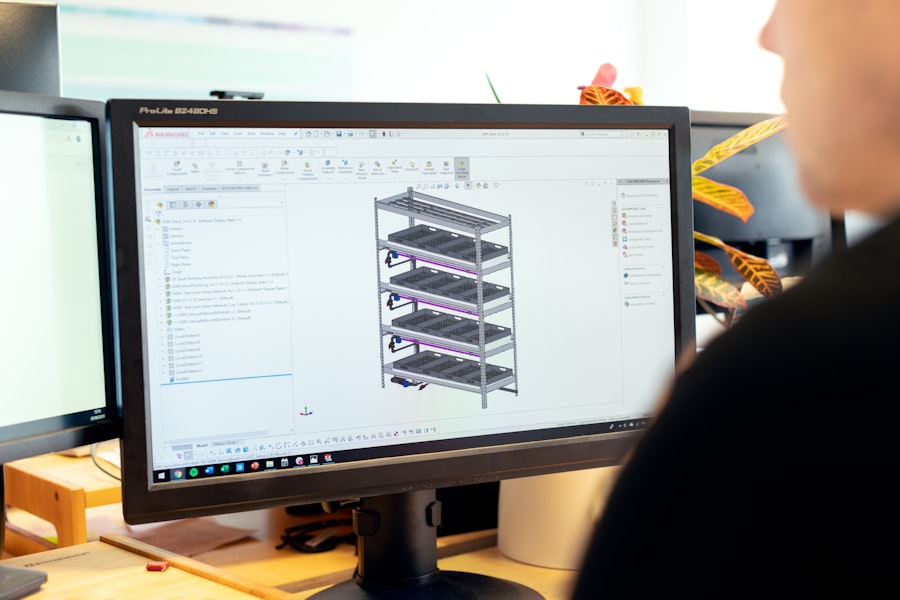
Months after the full implementation, the impact of the field service software is undeniable. The initial hesitation has been replaced by a sense of gratitude for the tools that have made my job not only more efficient but also more rewarding.
Optimized Scheduling and Reduced Travel Time
The most immediate and noticeable improvement has been in our scheduling. The software intelligently routes technicians, minimizing travel time and maximizing the number of jobs we can complete in a day. No more unnecessary crisscrossing of the city or arriving at appointments with precious time already lost to traffic. It’s a tangible saving that translates directly into more satisfied customers and a more profitable business.
Enhanced Communication and Collaboration
The constant back-and-forth via phone or text message has been drastically reduced. I now receive instant notifications for new dispatches, updates on job status from colleagues, and urgent requests from the office. This real-time communication ensures that everyone is on the same page, leading to fewer errors, faster problem-solving, and a smoother workflow for the entire team.
Improved Customer Service and Satisfaction
With all the customer’s information at my fingertips – their service history, equipment details, past issues, and even notes from previous technicians – I arrive at each appointment feeling more prepared and informed. This allows me to address their concerns more effectively, anticipate potential problems, and offer personalized solutions. The customer feels valued and understood, leading to increased satisfaction and loyalty.
Streamlined Billing and Reduced Paperwork
The automation of billing and invoicing has been a game-changer. No more delays waiting for paperwork to be processed or chasing down invoices. Service reports are generated directly from the field, and billing can be initiated almost immediately upon job completion. This not only speeds up payment cycles but also significantly reduces the amount of physical paperwork I have to manage.
The Future: Continuous Improvement and Beyond
| Metrics | Value |
|---|---|
| Implementation Time | 3 months |
| User Training Hours | 40 hours |
| Customer Satisfaction | 90% |
| First Time Fix Rate | 95% |
While the implementation has been a resounding success, I understand that the journey doesn’t end here. Field service software is a dynamic tool, and continuous improvement is key to maximizing its long-term benefits.
Embracing Advanced Features
The initial implementation focused on the core functionalities. Now, I’m eager to explore the more advanced features that the software offers, such as predictive maintenance alerts, integration with IoT devices, and more sophisticated reporting capabilities. These capabilities hold the promise of further optimizing our operations and offering even greater value to our customers.
Data Analysis for Strategic Decision-Making
The wealth of data we are now collecting is an incredible asset. I’m looking forward to working with the management team to analyze this data to identify trends, pinpoint areas for improvement, and make more informed strategic decisions about resource allocation, training needs, and service offerings.
Feedback and Adaptation
The software is a tool that serves us. Therefore, it’s crucial to continue providing feedback and advocating for adjustments or enhancements that will further improve our workflow and efficiency. The developers are constantly updating and refining the system, and our input as end-users is invaluable in ensuring it remains relevant and effective.
The transition to field service software has been more than just an upgrade in technology; it’s been a fundamental shift in how I approach my work. It has empowered me with information, streamlined my tasks, and ultimately, allowed me to provide a higher level of service to the people who rely on us. What once seemed like a daunting challenge has blossomed into an essential component of my professional toolkit, and I’m excited to see how we continue to evolve and innovate with this powerful technology by our side.
