


I’ve spent years in the trenches of field service, wrestling with outdated clipboards, deciphering hurried notes, and battling the endless chase for accurate information. It’s been a journey marked by frustration, but also by a growing appreciation for how technology can truly revolutionize the way we work. This is why I’m so passionate about field service software – it’s not just about shiny new tools; it’s about reclaiming my time, reducing errors, and ultimately, making my job significantly easier and more efficient.
My personal experiences have led me to explore the vast landscape of field service software providers. I’ve seen firsthand the difference a robust system can make, not just for individual technicians like me, but for the entire operation. From scheduling and dispatching to inventory management and customer communication, the right software can tie everything together seamlessly. In this article, I want to share my insights on some of the top players in the field service software market, focusing on how they help streamline operations and make life better for those of us on the front lines.
When I first started looking into field service software, it felt overwhelming. There were so many features, so many acronyms, and so many promises. But as I delved deeper, I began to understand the fundamental building blocks that make these platforms so effective. They all, in their own way, aim to address the core challenges of field service work.
Optimized Scheduling and Dispatch
This is, for me, the absolute bedrock of any good field service software. I can’t tell you how many times my day was thrown into chaos because of a poorly planned route or a last-minute emergency call that was handed to me with little to no context.
Intelligent Route Planning
The ability to automatically optimize routes based on location, job duration, and technician availability is a game-changer. It means less time stuck in traffic, more jobs completed in a day, and ultimately, happier customers because I can arrive on time. I’ve seen systems that dynamically re-route technicians when unexpected delays occur, providing real-time updates to both the technician and the customer. This proactive approach is invaluable.
Real-time Visibility of Technicians
Knowing where everyone is is critical. When a new urgent job comes in, a good system allows dispatchers to quickly see which technicians are closest and most available. This cuts down on the back-and-forth phone calls and guesswork that used to be the norm.
Skill-Based Matching
It’s not just about who’s closest; it’s about who has the right skills. I’ve encountered jobs that require specialized knowledge, and when the wrong technician is sent, it leads to repeat visits and frustrated customers. Software that can match jobs to technicians based on their certifications and expertise saves everyone time and effort.
Enhanced Mobile Accessibility
My smartphone, or more accurately, the tablet I’m issued, is my lifeline in the field. Without powerful mobile capabilities, field service software is just a glorified desktop application.
Offline Capabilities
This is a non-negotiable for me. There are plenty of areas where cell service is spotty or non-existent. I need to be able to access job details, customer information, and even fill out service reports when I’m completely offline. The ability to sync data once I’m back in service is crucial.
Digital Work Orders and Checklists
Paperwork is the bane of my existence. Being able to receive digital work orders, complete checklists, capture signatures, and take photos directly on my device streamlines the entire process. It reduces errors, eliminates lost paperwork, and makes my administrative burden much lighter.
Real-time Updates and Communication
Being able to update my status, for example, “en route,” “on-site,” or “job completed,” in real-time allows dispatch to monitor progress and allocate resources effectively. This two-way communication also means I can easily send updates, ask questions, or attach photos of an issue directly from the field.
Streamlined Inventory and Parts Management
Lost parts, incorrect inventory, and waiting for supplies – these are all scenarios that plague field service operations and significantly impact my productivity.
Mobile Inventory Tracking
When I’m on-site, I need to know what parts are available, either in my van or at a nearby warehouse. Being able to scan barcodes or manually update inventory levels directly from my mobile device is incredibly helpful. It prevents me from driving to a customer without the necessary part, or from bringing the wrong part.
Purchase Order Management
The ability to create and submit purchase orders for parts directly from the field expedites the process of getting what I need. This also gives dispatchers better visibility into upcoming part needs and anticipated delays.
Stock Level Alerts
Proactive alerts for low stock levels prevent me from running out of essential parts. This allows for better planning and ensures that I’m always equipped to handle common service calls.
Top Field Service Software Providers: My Picks
After much research and, more importantly, practical application, I’ve identified several providers that consistently stand out. These companies have demonstrated a commitment to innovation and a deep understanding of the challenges faced by field service teams.
ServiceTitan: A Powerful All-Rounder for Residential Services
I’ve heard a lot of good things about ServiceTitan, particularly within the HVAC, plumbing, and electrical sectors. It’s often lauded for its comprehensive feature set and user-friendly interface, though it can be a significant investment.
In-Depth Business Management Tools
ServiceTitan goes beyond just field service execution. It offers robust tools for sales, marketing, and accounting, aiming to be an all-in-one solution for service businesses. This holistic approach is appealing, especially for smaller businesses looking to consolidate their software.
Advanced Quoting and Invoicing
The ability to create professional-looking quotes and invoices directly in the field is a huge time-saver. ServiceTitan’s system allows for customization, adding photos, and even offering financing options, which can help close deals on the spot.
Customer Relationship Management (CRM) Features
Building and maintaining strong customer relationships is key. ServiceTitan integrates CRM functionalities, allowing technicians to access customer history, notes, and preferences, which can personalize service calls and foster loyalty.
FieldAware: Focus on Customization and Scalability
FieldAware is another provider I’ve seen make a real impact. They often highlight their platform’s flexibility, which is crucial for businesses with unique workflows.
Highly Configurable Workflows
This is where FieldAware really shines for me. The ability to tailor workflows to our specific needs, from the initial service request to the final invoice, is invaluable. This means the software adapts to how we work, rather than forcing us to adapt to the software.
Robust Reporting and Analytics
Understanding performance is vital for improvement. FieldAware offers detailed reporting capabilities that allow me to track key metrics, identify trends, and pinpoint areas for optimization. Data is power, and this platform delivers it in spades.
Integration Capabilities
No single software can do everything perfectly. FieldAware’s ability to integrate with other business systems, such as accounting software or ERP systems, is a significant advantage. This creates a more cohesive technology ecosystem.
Jobber: Ideal for Small to Medium-Sized Service Businesses
For smaller operations, budget and simplicity are often key considerations. Jobber strikes a great balance, offering powerful features without being overly complex or expensive.
Streamlined Quoting and Invoicing
Jobber makes it incredibly easy to generate quotes and invoices right from my mobile device. This means I can get paid faster and reduce administrative overhead. Their templates are professional and easy to customize.
Efficient Client Management
Keeping track of client information, service history, and preferences is straightforward with Jobber. This helps me provide a more personal and efficient service experience for every customer.
Calendar and Scheduling Tools
The visual calendar and drag-and-drop scheduling features are intuitive and make managing appointments a breeze. It simplifies the dispatch process and ensures that no jobs fall through the cracks.
Service Fusion: AI-Powered Automation and Efficiency
Service Fusion is making waves with its embrace of AI and automation, aiming to take field service operations to the next level of efficiency.
AI-Powered Dispatching and Scheduling
The idea of AI assisting with dispatching fills me with hope. Service Fusion’s AI can analyze various factors to automatically assign the best technician, optimize routes, and predict potential issues, leading to fewer manual interventions and greater accuracy.
Automated Customer Communication
Keeping customers informed is crucial for satisfaction. Service Fusion’s automated communication features can send appointment reminders, status updates, and follow-up messages, freeing up dispatchers and ensuring customers are always in the loop.
Predictive Maintenance Capabilities
This is the future, and Service Fusion is at the forefront. By leveraging data and AI, the platform can predict potential equipment failures, allowing for proactive maintenance and reducing costly downtime for customers. This also builds immense trust.
Housecall Pro: Strong Focus on Customer Experience
Housecall Pro emphasizes the importance of the customer journey and has built its platform with this in mind.
Enhanced Customer Communication Tools
From initial booking to post-service follow-up, Housecall Pro provides tools that keep customers informed and engaged. This includes appointment confirmations, technician arrival notifications, and review requests.
Easy-to-Use Mobile App
I need a mobile app that’s intuitive and doesn’t require a steep learning curve. Housecall Pro’s app is designed for ease of use, allowing technicians to efficiently manage their schedules, access job details, and complete reports on the go.
Online Booking and Scheduling
Making it easy for customers to book appointments online is a significant advantage. Housecall Pro’s platform allows for seamless online booking, which can increase lead generation and booking efficiency.
The Impact of Streamlined Operations on My Daily Work
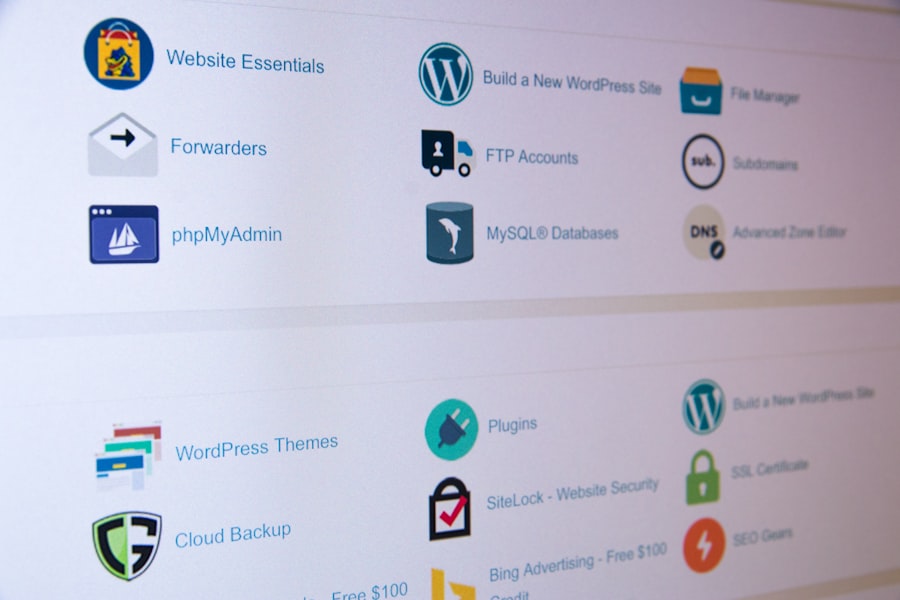
It’s easy to get lost in the features and technical jargon, but what it all boils down to is how these systems impact my day-to-day life as a field service technician. The benefits are tangible and profound.
Reduced Administrative Burden
This is perhaps the most immediate and appreciated change. Gone are the days of wrestling with paper forms, deciphering handwritten notes, and spending precious time after a long day manually inputting data.
Digital Paperwork
Filling out digital work orders, checklists, and service reports on a tablet is a godsend. It’s faster, more accurate, and everything is neatly organized. This means I can spend more time focusing on the job at hand and less time on paperwork.
Automated Invoicing and Payment Processing
When I can generate and send an invoice directly from my mobile device, and even accept payments on the spot, it drastically speeds up the payment cycle. This not only helps the business but also means I’m contributing to faster cash flow, a win-win.
Increased Efficiency and Productivity
When operations are streamlined, I can simply do more in less time. This isn’t about working harder; it’s about working smarter.
Optimized Scheduling and Route Planning
As I’ve mentioned, knowing where I need to be, the most efficient way to get there, and having my schedule well-planned means less wasted time in transit and more time servicing customers. This directly translates to completing more jobs per day.
Real-time Access to Information
Having instant access to customer history, equipment details, and service manuals on my device means I can diagnose problems faster and provide more informed solutions. I don’t have to call back to the office for basic information, which saves everyone time.
Improved Customer Satisfaction
A happy customer is the ultimate goal. Streamlined operations directly contribute to a better customer experience.
Punctual Arrivals and Efficient Service
When dispatching is efficient and routes are optimized, I can arrive at customer locations more punctually. When I have all the necessary information and parts readily available, I can complete jobs efficiently and effectively, leading to satisfied customers.
Clear and Timely Communication
Keeping customers informed about arrival times, potential delays, and the progress of the service builds trust and reduces anxiety. Automated notifications and the ability to communicate directly from the field are invaluable for this.
Enhanced Job Quality and Reduced Errors
With better tools and information at my disposal, the quality of my work naturally improves.
Digital Checklists and Templates
These ensure that I don’t miss any critical steps in a service or installation process. This consistency leads to fewer callbacks and ensures that every job meets a high standard.
Accurate Record-Keeping
Digital records are far less prone to errors than manual data entry. This ensures that all job details, parts used, and customer information are accurately documented for future reference.
The Future of Field Service Software: AI and Beyond

As I look ahead, the trajectory of field service software is incredibly exciting. The integration of artificial intelligence and the continuous push for greater automation are poised to transform our work even further.
AI-Powered Predictive Analytics
Imagine a system that can analyze historical data and sensor readings to predict when a piece of equipment is likely to fail. This allows for proactive maintenance, preventing costly breakdowns and downtime for the customer. It turns us from reactive problem solvers into proactive partners.
The Rise of Autonomous Systems
While full autonomy in field service is still a ways off, we’re starting to see it in specific applications, like automated reporting and even some basic diagnostic tasks. This will free up technicians to focus on the most complex and human-centric aspects of their jobs.
Internet of Things (IoT) Integration
As more devices become connected, the data available to field service software will explode. This will enable more sophisticated remote monitoring, diagnostics, and even the ability for equipment to self-report issues.
Enhanced Data Security and Privacy
As operations become more reliant on digital data, ensuring the security and privacy of that information will become paramount. Providers will need to invest heavily in robust security measures to protect sensitive customer and company data.
Ultimately, my journey in field service has been one of continuous learning and adaptation. The technology available today is a far cry from what I started with, and the field service software providers I’ve highlighted are at the forefront of making our lives easier, our businesses more profitable, and our customers happier. For anyone still on the fence, I urge you to explore these options. The investment in the right software is an investment in efficiency, in customer satisfaction, and in the future of your field service operation. It’s about moving beyond the clipboard and embracing a smarter, more connected way of working.
