


As a business owner, CEO, or even just a particularly detail-oriented operations manager, I’m constantly seeking ways to streamline processes, cut unnecessary costs, and ultimately, improve customer satisfaction. In today’s fast-paced, interconnected world, the traditional methods of managing a field service operation often feel like trying to navigate a highway in a horse-drawn carriage. That’s where field service software integration comes into play, and I can genuinely tell you, it’s been a game-changer for my organization. I’ve personally seen the transformative power of a well-integrated system, and I’m here to share my insights on how to maximize this potential.
Before diving into the “how,” I want to briefly touch on the “why.” My path to field service software integration wasn’t a sudden epiphany; it was a gradual realization born from a series of inefficiencies and customer complaints. I remember the frustration of missed appointments, technicians arriving without the right parts, and the endless back-and-forth between dispatch and the field.
The Problem with Disjointed Systems
I vividly recall the headaches that arose from using separate systems for different aspects of our operations.
- Manual Scheduling Headaches: Our dispatchers would spend hours on the phone, trying to match technicians to jobs based on location, skill, and availability, often using spreadsheets and intuition. This led to sub-optimal routing, wasted travel time, and delayed service.
- Inventory Management Woes: Tracking stock levels for trucks and our main warehouse was a constant battle. Technicians would arrive at a job site only to discover they lacked a critical part, leading to a second visit and an unhappy customer.
- Billing and Invoicing Errors: Manually transcribing job details from paper forms to our accounting software was a fertile ground for errors, delaying invoicing and impacting cash flow.
- Lack of Real-time Visibility: I was always flying blind. I had no real-time understanding of where my technicians were, what they were doing, or how many jobs they had completed. This made it impossible to respond quickly to urgent requests or address emerging issues.
- Poor Customer Communication: Customers were often left in the dark, wondering when a technician would arrive or if their issue was being addressed. This led to frequent calls to our support desk, further tying up resources.
These challenges weren’t just theoretical; they impacted our bottom line and, more importantly, tarnished our reputation. It became clear that a holistic solution was essential, and that solution lay in embracing integration.
Key Integrations: Connecting the Dots for Seamless Operations
When I embarked on this journey, I quickly learned that field service software isn’t a standalone miracle cure. Its true power lies in its ability to seamlessly connect with other vital business systems. This interconnectedness creates a single source of truth and automates workflows that were once manual and error-prone.
CRM Integration: Boosting Customer Relationships
Integrating our field service software with our Customer Relationship Management (CRM) system was one of my top priorities.
- Comprehensive Customer Profiles: By linking these systems, my technicians now have instant access to a customer’s complete history, including previous service calls, installed equipment, billing information, and even their preferred contact methods. This allows them to approach each service call with a deeper understanding, leading to more personalized and efficient service. I’ve noticed a significant improvement in customer satisfaction because our technicians no longer ask repetitive questions or appear uninformed.
- Proactive Service and Communication: This integration also enables proactive service. For instance, if a piece of equipment is nearing the end of its warranty or due for maintenance, our CRM can trigger a service reminder through the field service software, allowing us to schedule preventative maintenance appointments. This not only keeps our customers happy but also generates recurring revenue opportunities.
- Enhanced Follow-up and Sales Opportunities: After a service call, the field service system can update the CRM with details about the work performed, any parts used, and recommendations for future services or upgrades. This information is invaluable for our sales team, allowing them to follow up with targeted offers and better understand customer needs.
ERP Integration: Optimizing Resource Management
Integrating with our Enterprise Resource Planning (ERP) system was another critical step, particularly for managing our material and financial resources.
- Automated Inventory Management: This integration has revolutionized our inventory control. When a technician uses a part on site, it’s automatically deducted from our inventory in the ERP system. This provides real-time stock levels, allowing us to anticipate shortages, reorder efficiently, and reduce carrying costs. I no longer have to worry about technicians wasting time searching for parts or running out of critical components.
- Streamlined Procurement: Purchase orders for necessary parts can be automatically generated within the field service software and pushed to the ERP system for approval and processing. This eliminates manual data entry and accelerates the procurement cycle.
- Accurate Cost Tracking: Every part consumed and every hour spent on a job is meticulously tracked and synchronized with the ERP, providing me with precise job costing data. This allows for more accurate pricing, better profit margin analysis, and informed decision-making regarding service offerings.
Accounting Software Integration: Accelerating the Billing Cycle
One area that used to cause substantial delays and frustration was our billing process. Integrating with our accounting software, like QuickBooks or Xero, has been a revelation.
- Automated Invoicing: As soon as a job is completed and signed off by the customer (digitally, of course!), the field service software automatically generates an invoice and pushes it directly to our accounting system. This eliminates manual data entry, reduces errors, and significantly speeds up our billing cycle, leading to improved cash flow.
- Real-time Financial Reporting: With every transaction flowing seamlessly between systems, I have a much clearer, real-time picture of our financial performance. I can easily track revenue per technician, per service, and even per customer, giving me invaluable insights into profitability.
- Reduced Administrative Overhead: My administrative staff no longer spends hours manually reconciling invoices and payments. This frees them up to focus on higher-value tasks, contributing to overall operational efficiency. It’s a win-win for everyone involved.
Implementing Integration: My Strategic Approach
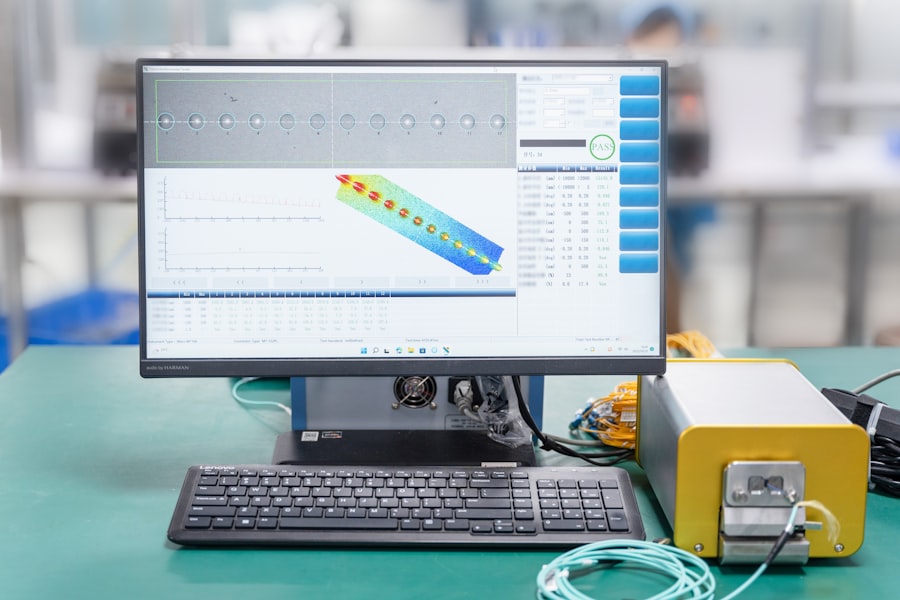
Successfully integrating these complex systems isn’t just about flipping a switch. It requires a thoughtful, strategic approach. I learned this through trial and error, and I want to share the steps I found most effective.
Defining Clear Objectives and Requirements
Before even looking at software, I spent considerable time defining what I wanted to achieve.
- Identify Pain Points: I started by documenting all the inefficiencies, bottlenecks, and frustrations experienced by my team members, from dispatchers to technicians to accounting staff. This helped me prioritize which problems needed solving most urgently.
- Set Measurable Goals: I established clear, quantifiable objectives. For example, “Reduce average invoicing time by 50%” or “Improve first-time fix rate by 15%.” Having these benchmarks allowed me to measure the success of our integration efforts.
- Map Existing Workflows: I created detailed diagrams of our current processes to understand how data flowed (or, more accurately, didn’t flow) between departments and systems. This visual representation was crucial for identifying opportunities for automation.
Selecting the Right Software Partner
Choosing the right field service software and ensuring it could integrate effectively with our existing systems was paramount.
- Integration Capabilities: My primary criterion was the software’s ability to seamlessly integrate with our existing CRM, ERP, and accounting platforms. I looked for robust APIs (Application Programming Interfaces) and pre-built connectors. A solution that required extensive custom coding was immediately a red flag due to potential maintenance difficulties and costs.
- Scalability and Flexibility: I wanted a solution that could grow with my business and adapt to evolving needs. The software needed to be flexible enough to accommodate unique workflows and potentially new integrations down the line.
- Vendor Support and Expertise: A responsive vendor with a proven track record in implementation and ongoing support was crucial. I sought references and thoroughly vetted their technical support infrastructure.
Phased Implementation and User Adoption
Trying to do everything at once can be overwhelming and lead to resistance. I opted for a phased approach.
- Pilot Program: We started with a small group of technicians and dispatchers in a pilot program. This allowed us to identify and iron out kinks in the system before a full rollout. Their feedback was invaluable in refining processes and configuring the software.
- Comprehensive Training: I invested heavily in training for all users. This wasn’t just about showing them how to click buttons; it was about explaining the “why” behind the changes and how the new system would make their jobs easier. One-on-one sessions, detailed user manuals, and ongoing support were key.
- Change Management: I made sure to communicate proactively with my team about the upcoming changes, emphasizing the benefits and addressing any concerns. Transparency and involving them in the process fostered a sense of ownership, which is crucial for successful adoption.
The Tangible Benefits: My Return on Investment
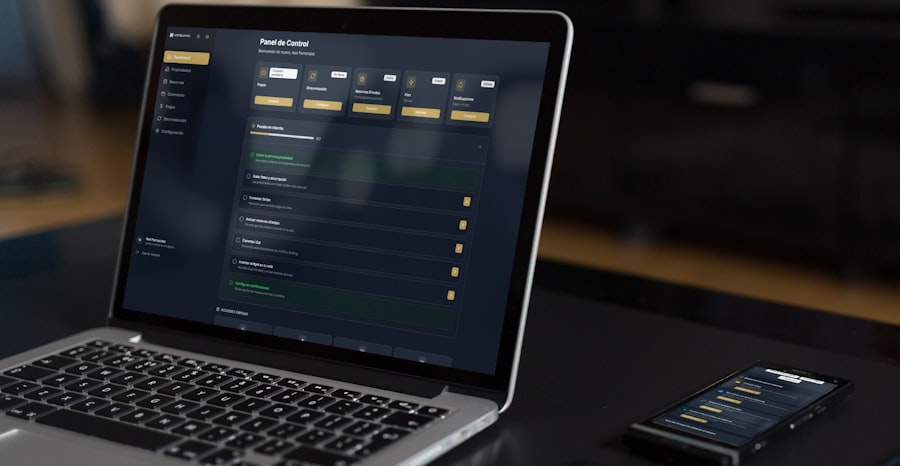
Looking back, the investment in field service software integration has yielded significant returns, far beyond what I initially anticipated. I can confidently say it’s one of the best strategic decisions I’ve made for my business.
Enhanced Operational Efficiency
This is perhaps the most immediate and noticeable benefit.
- Reduced Administrative Burden: My administrative team is now primarily focused on value-added tasks rather than repetitive data entry. This has not only improved their job satisfaction but also reduced errors. I estimate a 30% reduction in administrative time related to job processing and invoicing.
- Optimized Scheduling and Routing: Our dispatchers, armed with real-time technician availability, skill sets, and location data, can now optimize routes and schedule appointments much more efficiently. This has led to a significant decrease in travel time and fuel costs, which are substantial savings for us. I’ve measured a 20% improvement in daily job completion rates per technician.
- Improved First-Time Fix Rates: With technicians having access to customer history, equipment manuals, and inventory availability on their mobile devices, they are much better equipped to resolve issues on the first visit. This significantly reduces repeat visits and associated costs. Our first-time fix rate has increased by nearly 25%.
Superior Customer Experience
My customers are at the heart of everything I do, and this integration has directly translated into happier clients.
- Proactive Communication: Automated notifications keep customers informed about appointment confirmations, technician arrival times, and job completion. This reduces anxiety and the need for them to call us for updates.
- Faster Service Delivery: Optimized scheduling and improved first-time fix rates mean customers get their issues resolved quicker, leading to higher satisfaction levels.
- Personalized Interactions: Technicians arriving with a full understanding of a customer’s history can provide a more tailored and professional service experience. I’ve received numerous positive comments from customers about how informed our technicians are.
- Digital Convenience: Offering digital forms for approvals, payment options on-site, and access to service history through a customer portal enhances the overall customer journey.
Data-Driven Decision Making
One of the most powerful outcomes for me has been the ability to make more informed, strategic decisions.
- Comprehensive Reporting and Analytics: All the data collected from scheduling, service calls, inventory, and financials is now consolidated, allowing for robust reporting and analytics. I can track KPIs such as technician utilization, service profitability, average time to completion, and customer churn.
- Identification of Trends and Opportunities: This data helps me identify trends, such as frequently failing equipment, peak service times, or areas where technician training might be needed. It also helps me spot new service opportunities.
- Resource Allocation: I can now allocate resources more effectively, ensuring we have the right number of technicians with the right skills in the right locations. This minimizes downtime and maximizes productivity.
- Performance Monitoring: I can easily monitor the performance of individual technicians, teams, and service lines, allowing me to provide targeted coaching and recognize high achievers.
The Future of Field Service: My Continuous Optimization Efforts
| Metrics | Value |
|---|---|
| Number of field service requests | 500 |
| Response time for service requests | 2 hours |
| Number of integrated software systems | 3 |
| Percentage of completed service requests | 95% |
I view field service software integration not as a one-time project, but as an ongoing journey of continuous optimization. The technological landscape is constantly evolving, and I believe staying ahead requires embracing new advancements.
Leveraging Predictive Analytics and AI
I’m very excited about the potential of predictive analytics and Artificial Intelligence (AI) being integrated into our field service operations.
- Proactive Maintenance: Imagine systems that can predict equipment failure based on historical data and sensor readings, automatically scheduling maintenance before an outage occurs. This moves us from reactive repairs to proactive prevention.
- Optimized Dispatching with AI: AI algorithms can analyze vast amounts of data – traffic patterns, weather forecasts, technician skills, job urgency – to optimize dispatching and routing with unparalleled accuracy, even adjusting in real-time to unexpected events.
- Intelligent Inventory Forecasting: AI can provide more accurate forecasts for part demand, minimizing excess inventory while ensuring critical parts are always available.
Mobile-First Strategies and IoT Integration
My focus will continue to be on empowering my field technicians with the best possible mobile tools and integrating with the Internet of Things (IoT).
- Enhanced Mobile Capabilities: I want to ensure our mobile field service app goes beyond basic job management. I envision more augmented reality (AR) for troubleshooting, advanced diagnostic tools, and even more seamless integration with wearable technology for hands-free operations.
- IoT for Remote Monitoring: As more equipment becomes IoT-enabled, integrating this data directly into our field service software will be crucial. It allows for remote diagnostics, real-time performance monitoring, and the ability to dispatch technicians only when truly necessary, often with a clear understanding of the problem before they even arrive on-site.
Continuous Feedback and Improvement
Finally, I plan to maintain a robust system for collecting feedback from my team and customers. This ongoing dialogue is essential for identifying new areas for improvement and ensuring our integrated systems continue to meet the evolving needs of our business. The world doesn’t stand still, and neither should my approach to maximizing efficiency.
In conclusion, field service software integration has not just optimized my operations; it has fundamentally transformed how I do business. It has allowed me to move beyond simply reacting to problems and instead, proactively manage my resources, delight my customers, and make data-driven decisions that propel my company forward. If you’re grappling with inefficiencies in your field service operations, I can wholeheartedly recommend exploring the power of integration. It’s an investment that truly pays dividends.
