
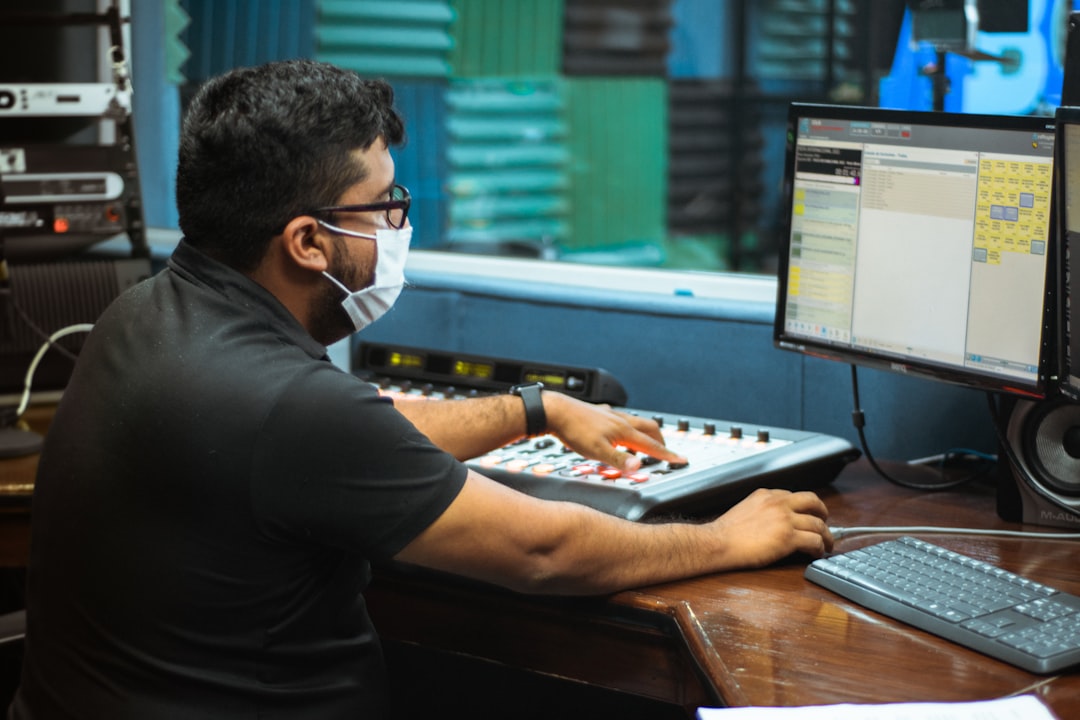

Dispatchers are the unsung heroes who keep things moving, whether it’s emergency services, deliveries, or field technicians. Their job is to orchestrate a complex ballet of people, resources, and unexpected events. While the core challenges of dispatching—like managing unforeseen delays, optimizing routes, and ensuring timely service—remain, how they tackle these challenges has changed dramatically with the advent of AI scheduling.
At its heart, dispatching is about making the right decisions quickly. Before AI, this was a highly manual, intuitive process, relying heavily on a dispatcher’s experience, memory, and a good old-fashioned map or whiteboard.
The Morning Rush: The Pre-AI Experience
Imagine a dispatcher arriving at their desk before AI was common. The first thing they’d do is review a stack of printed work orders or check a basic digital system.
- Understanding the Daily Load: They’d mentally (or physically) sort through the day’s tasks, noting urgent appointments, geographical clusters, and technician specialties. This was often a time-consuming process of cross-referencing and mental arithmetic.
- Assigning Tasks Manually: Using their knowledge of each technician’s skills, availability, and location, they’d start assigning jobs. This involved a lot of back-and-forth, often calling technicians to confirm their current status or to see if they could squeeze in an extra job.
- Route Planning with Maps: For routing, it was often a mix of paper maps, basic mapping software, and the dispatcher’s personal familiarity with the service area. They’d try to group jobs geographically to minimize travel time, but without real-time traffic data or sophisticated algorithms, this was more an educated guess than an optimized plan.
The Midday Mayhem: Handling the Unexpected
No matter how well planned, a day in dispatch rarely goes off without a hitch. Before AI, these disruptions were particularly challenging.
- Responding to Emergencies: A sudden urgent call would send the dispatcher scrambling. They’d have to quickly identify the closest available technician, assess their current job’s priority, and potentially reroute others. This often meant calling multiple technicians, causing delays and frustration.
- Dealing with Delays: Traffic jams, unexpected job complexities, or technician issues (e.g., a flat tire) would throw the schedule into disarray. The dispatcher would then have to manually adjust subsequent appointments, often involving a cascade of phone calls to customers to explain delays and reschedule.
- Customer Communication: Keeping customers informed was a constant battle. Without automated updates, the dispatcher or a dedicated customer service representative would be fielding calls, trying to give accurate arrival times based on a constantly shifting manual schedule. This often led to frustrated customers and increased call volumes.
The End-of-Day Wrap-Up: Manual Reconciliation
As the day wound down, the dispatcher’s work wasn’t over.
- Closing Out Jobs: They’d manually check off completed jobs, noting any unfinished tasks or follow-ups required.
- Preparing for Tomorrow: Based on today’s overflow and new requests, they’d start the arduous process of planning the next day, often staying late to get a head start. This iterative, manual planning was exhaustive and prone to human error.
- Data Entry and Reporting: Any data collection for performance metrics or billing was largely manual, often involving transcribing information from paper forms into a digital system. This was a tedious, error-prone process that added to the dispatcher’s workload.
The AI Revolution: A Dispatcher’s New Toolkit
Fast forward to today, and AI scheduling has fundamentally changed the landscape. It hasn’t replaced the dispatcher but has augmented their capabilities, shifting their focus from reactive problem-solving to proactive strategic management.
The Morning Brief: AI-Powered Optimization
With AI, the morning looks significantly different. The complex calculations are handled by the system, allowing the dispatcher to focus on oversight.
- Pre-Optimized Schedules: The AI has already crunched the numbers overnight. It’s taken into account all pending jobs, technician availability, skills, vehicle capacities, estimated job durations, traffic predictions, and even customer preferences. The dispatcher arrives to a largely optimized schedule.
- Reviewing and Fine-Tuning: Instead of building the schedule from scratch, the dispatcher reviews the AI’s recommendations. They might make minor adjustments based on nuanced local knowledge the AI might not have picked up, or to accommodate a specific technician’s request or a key client’s needs. This allows for a blend of AI efficiency and human insight.
- Visualizing the Day: Modern AI systems often come with sophisticated dashboards, offering a clear visual representation of the day’s schedule, technician locations, and job statuses. This provides an immediate, comprehensive overview that was impossible with manual methods.
The Midday Flow: Intelligent Adaptability
This is where AI truly shines, transforming chaotic disruptions into manageable adjustments.
- Real-time Dynamic Rescheduling: When an urgent call comes in, or a technician reports a delay, the AI instantly re-evaluates the entire schedule. It identifies the best technician for the new job, considering proximity, skill, and impact on other appointments. It can then automatically suggest re-routes, adjust subsequent job timings, and even notify affected customers.
- Proactive Problem Solving: AI can predict potential issues before they become major problems. For example, if it sees a technician is falling behind schedule, it might alert the dispatcher, allowing them to proactively reassign a later job or send an automated message to the affected customer, managing expectations before they turn into complaints.
- Automated Customer Communications: One of the biggest wins for dispatchers is automated customer notifications. Customers receive SMS or email updates about estimated arrival times, technician details, and any delays, significantly reducing inbound calls and improving customer satisfaction. The dispatcher is no longer the primary point of contact for routine status updates.
The End-of-Day Efficiency: Data-Driven Insights
The end of the day is less about manual reconciliation and more about strategic review and preparation.
- Automated Job Closure and Data Capture: Job completion is often automatically updated via mobile apps used by technicians. All relevant data—job duration, materials used, notes—is captured digitally, reducing manual data entry for the dispatcher.
- Seamless Handover to Planning: New job requests are automatically fed into the AI system for the next day’s optimization. The dispatcher doesn’t have to manually carry over unfinished tasks or prioritize new ones; the system does it all.
- Performance Analytics at a Glance: AI scheduling systems provide rich data on operational efficiency. Dispatchers can easily access reports on technician utilization, travel times, first-time fix rates, and customer satisfaction. This data is invaluable for identifying bottlenecks, improving processes, and making informed strategic decisions, moving the dispatcher from a tactical operator to a strategic contributor.
Beyond the Clock: The Shift in Dispatcher Role

The introduction of AI scheduling isn’t just about efficiency; it’s about fundamentally changing the dispatcher’s role and value.
From Task Juggler to Strategic Orchestrator
Before AI, dispatchers were often overwhelmed with the sheer volume of tasks. They were constantly reacting to immediate problems, leaving little time for strategic thinking. With AI handling the routine, complex scheduling, and real-time adjustments, the dispatcher can elevate their role.
- Focus on Exceptions, Not Rules: The AI handles most routine scheduling. The dispatcher can now dedicate their expertise to the complex, high-stakes cases that require human judgment, empathy, and creative problem-solving.
- Improving Customer Relationships: With more time on their hands, dispatchers can dedicate more attention to critical customer interactions, handling complex complaints, or nurturing key accounts. They can become more customer-centric, moving beyond just providing status updates.
- Team Leadership and Support: Instead of constantly dictating orders, dispatchers can become more supportive of their field technicians. They can proactively check in, offer guidance on difficult jobs, and ensure technician well-being, fostering a more collaborative environment.
Enhancing Skills and Career Paths
The skills required for a dispatcher have also evolved. While quick thinking and problem-solving remain crucial, new competencies are emerging.
- System Mastery: Dispatchers need to be proficient in using and understanding the AI scheduling system. This includes knowing how to interpret its recommendations, override them when necessary, and troubleshoot minor issues.
- Data Interpretation: Understanding the performance metrics and reports generated by the AI system is key. This allows dispatchers to contribute to continuous improvement initiatives and strategic planning.
- Proactive Management: The role shifts from reactive problem-solving to proactive identification of potential issues and strategic deployment of resources. This requires a different mindset, moving from merely fixing problems to anticipating and preventing them.
- Emotional Intelligence: While AI handles the logic, human interaction remains paramount. Dispatchers still need excellent communication skills, empathy for both customers and technicians, and the ability to de-escalate stressful situations.
The Human Element: Still Indispensable
Despite the impressive capabilities of AI, the human dispatcher remains an indispensable part of the operation.
The Power of Intuition and Experience
AI is powerful with data, but it still lacks true intuition and the depth of human experience.
- Handling Unforeseen Anomalies: Sometimes a job description simply doesn’t capture the full complexity. An experienced dispatcher might know that a certain address always has difficult parking, or that a particular technician is exceptionally good with a specific, rare problem. This nuanced knowledge is hard for AI to replicate.
- Crisis Management and Empathy: In a true crisis—a natural disaster, a critical infrastructure failure, or a technician in distress—the human dispatcher’s ability to remain calm, make ethical judgments, and show empathy is irreplaceable. AI can optimize resources, but it can’t offer comfort or provide a reassuring voice.
- Building Relationships: The relationships a dispatcher builds with their technicians and key customers are invaluable. These relationships foster trust, improve communication, and can be critical in sticky situations where a technician might go the extra mile for a dispatcher they respect.
Continuous Improvement and Feedback Loops
The dispatcher’s insights are crucial for refining the AI system itself.
- Identifying AI Limitations: As dispatchers use the AI system daily, they are best positioned to identify its limitations, biases, or areas where its recommendations might not align with real-world complexities.
- Providing Feedback for System Enhancement: Their feedback is vital for software developers to continuously improve the AI algorithms, data inputs, and user interface. This collaborative loop ensures the AI system becomes smarter and more effective over time.
- Training and Onboarding: New dispatchers still learn a significant amount from experienced human counterparts. The subtle art of managing people, understanding company culture, and handling interpersonal dynamics are not easily taught by an algorithm.
In essence, AI scheduling has transformed the dispatcher’s job from a relentless series of reactive tasks into a more strategic, data-driven, and ultimately more fulfilling role. It allows them to leverage their unique human skills—intuition, empathy, and critical thinking—in situations where they truly add value, while the AI handles the heavy lifting of optimization. The future of dispatching is a powerful partnership between human intelligence and artificial intelligence, each playing to its strengths to ensure seamless, efficient, and resilient operations.
