
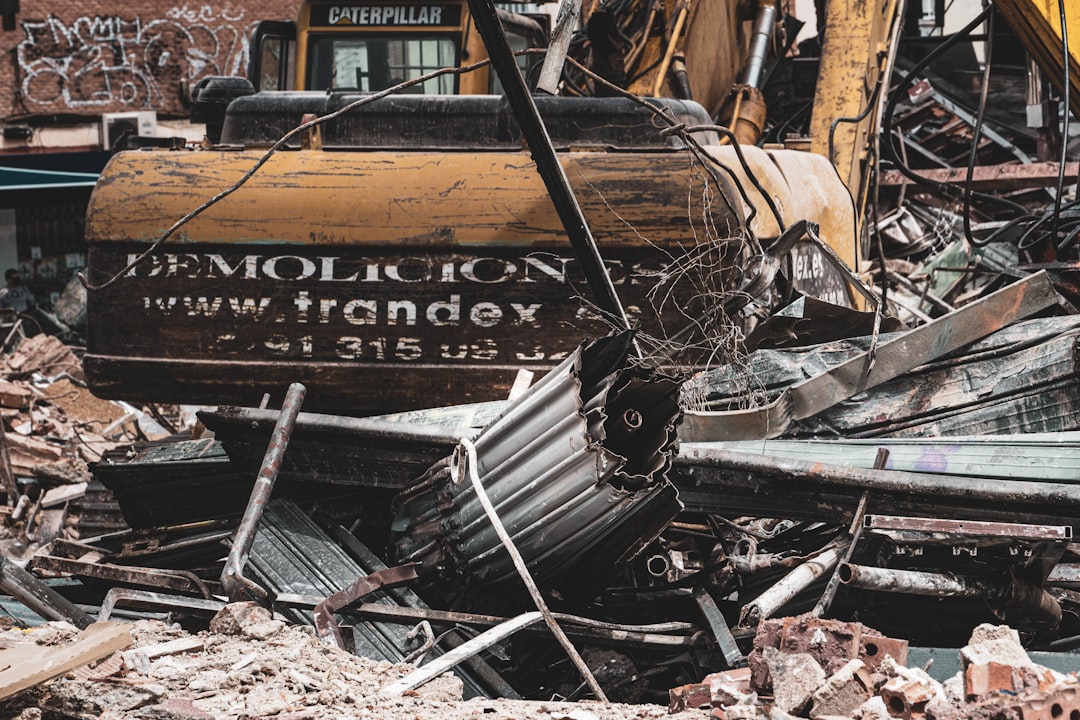

When a disaster strikes, whether it’s a burst pipe flooding your home or a fire damaging your property, getting help fast is critical. Water and fire restoration companies understand this urgency, and they’ve developed sophisticated systems to dispatch faster in an emergency. It’s not just about having trucks and technicians; it’s about a well-oiled machine designed for rapid response. They prioritize speed through strategic planning, advanced technology, and dedicated personnel, ensuring they can be on-site quickly to mitigate damage and start the recovery process.
A company can’t just react; they have to proactively plan for emergencies. This involves a lot of foresight and resource allocation long before a call even comes in.
Pre-Positioning Resources
Think of it like an ambulance service. They don’t wait for an accident to happen before they start loading up medical supplies. Restoration companies do something similar.
Localized Equipment Depots
Many larger restoration companies, or even successful smaller ones, will have multiple equipment depots strategically located throughout their service areas. This means fewer miles to cover when an emergency arises, cutting down on travel time significantly. Instead of a single central warehouse, they’ll have several smaller ones stocked with drying equipment, extraction tools, and personal protective gear.
Staged Response Vehicles
Similar to equipment, some companies keep a certain number of vehicles, often already partially loaded with essential gear, ready to roll at a moment’s notice. These aren’t necessarily fully equipped trucks, but they are primed for quick deployment, perhaps with basic extraction pumps, fans, and dehumidifiers. This reduces the time spent gathering equipment at the main facility.
Comprehensive Training and Certification
Speed isn’t just about getting there; it’s about being effective once you arrive. Well-trained technicians work more efficiently and make fewer mistakes, which ultimately speeds up the entire restoration process.
IICRC Certification and Beyond
The Institute of Inspection, Cleaning and Restoration Certification (IICRC) sets the industry standards. Companies that prioritize fast dispatch often require their technicians to hold multiple IICRC certifications, such as Water Damage Restoration Technician (WRT) and Applied Structural Drying (ASD), even Fire & Smoke Restoration Technician (FSRT). This ensures they have a deep understanding of best practices, safety protocols, and the most efficient methods for mitigation.
Regular Drills and Scenario Training
Just like firefighters, restoration teams often conduct regular drills. These might involve mock flood scenarios or simulated fire damage to practice their response, communication, and equipment deployment. This “muscle memory” allows them to react instinctively and efficiently when a real emergency strikes.
Leveraging Technology for Enhanced Dispatch
Technology plays a huge role in optimizing every step of the dispatch process, from the initial call to the arrival on site.
Advanced Communication Systems
Gone are the days of a single phone line and a notepad. Modern restoration companies use sophisticated communication setups.
Integrated Call Centers
Many larger companies operate 24/7 call centers, often with dedicated staff trained specifically to handle emergency calls. These centers aren’t just answering phones; they’re equipped with CRM (Customer Relationship Management) software that can quickly pull up customer information, identify their location, and initiate the dispatch process.
Two-Way Radio and Mobile Data Terminals (MDTs)
While cell phones are ubiquitous, many companies still rely on two-way radios for immediate, reliable communication between the dispatch center and field technicians, especially in areas with spotty cell service. Additionally, Mobile Data Terminals (MDTs) or tablets in vehicles allow dispatchers to send job details, GPS coordinates, and even property schematics directly to the crew, eliminating the need for verbal relay and reducing errors.
GPS Tracking and Optimized Routing
Knowing where your resources are at all times is paramount to efficient dispatch.
Real-time Vehicle Tracking
All company vehicles are typically equipped with GPS trackers. This allows dispatchers to see the exact location of every truck and technician in real-time. When an emergency call comes in, they can immediately identify the closest available crew, significantly cutting down on response time.
Dynamic Route Optimization Software
Beyond just finding the closest technician, advanced routing software takes into account real-time traffic conditions, road closures, and even the type of equipment needed for the specific job. This ensures that the dispatched crew takes the most efficient route, minimizing delays and getting them to the site as quickly as possible. This software can even re-route crews dynamically if new information or obstacles emerge.
Streamlined Operations and On-Call Protocols

Having the right equipment and technology is only part of the equation. How the company organizes its people and procedures is equally important.
Dedicated Emergency Response Teams
Many companies have specific teams or individuals designated for emergency response. These aren’t just general technicians; they are often the most experienced and well-trained, ready to deploy at a moment’s notice.
Rotating On-Call Schedules
To ensure 24/7 coverage, companies implement rotating on-call schedules. This means there’s always a manager, dispatcher, and multiple crews assigned to be immediately available outside of regular business hours, including weekends and holidays. These individuals often have their vehicles and equipment pre-staged at home or at a nearby depot to shorten the response window.
Multi-Disciplinary Teams
For larger or more complex disasters, companies might have pre-assembled multi-disciplinary teams. For instance, a fire restoration team might include specialists in contents cleaning, structural drying, and odor removal, all ready to deploy together. This avoids the delay of assembling a specialized crew after the initial assessment.
Efficient Information Gathering and Assessment
The first few minutes of a call are crucial for understanding the scope of the emergency and dispatching the right resources.
Standardized Intake Forms
Call center operators and dispatchers use standardized intake forms to gather critical information quickly and accurately. This includes the type of damage (water, fire, smoke), the extent of the damage, the property type (residential, commercial), and any immediate safety concerns. This structured approach prevents crucial details from being missed.
Initial Remote Assessment Tools
Some companies are starting to use technology for initial remote assessments. This could involve asking customers to send photos or videos via their smartphones, or even using video calls, to help the dispatcher better understand the situation before dispatching a crew. While not a replacement for an on-site inspection, it can help prioritize urgency and ensure the dispatched crew arrives with the most appropriate equipment.
Strong Relationships and Networking

No company operates in a vacuum. Strong relationships within the industry and local community can significantly boost dispatch speed.
Collaboration with Emergency Services
Police, fire departments, and other first responders are often the first on the scene. Having established relationships with these agencies can facilitate a smoother, faster handoff.
Pre-approved Vendor Status
Many restoration companies work to become pre-approved vendors for local emergency services. This means that once a fire department deems a property safe after a fire, they can immediately recommend or even directly call an approved restoration company without the homeowner needing to search. This cuts out a significant amount of “discovery time” for the homeowner.
Direct Communication Channels
In some cases, restoration companies establish direct communication channels with local fire chiefs or police departments. This allows for immediate notification of significant incidents that will likely require restoration services, even before a homeowner makes a direct call.
Partnerships with Insurance Companies
Insurance companies are key players in the restoration process, and their involvement can impact dispatch speed.
Preferred Vendor Networks
Many restoration companies strive to be part of various insurance companies’ preferred vendor networks. This status often means they have pre-negotiated rates and established protocols with the insurer, streamlining the approval process for emergency services. When a policyholder calls their insurance company, the insurer can immediately dispatch a trusted, pre-approved restoration vendor.
Electronic Claim Submission and Authorization
Modern insurance partnerships allow for electronic submission of estimates and quicker authorization of emergency work. This reduces administrative delays that could otherwise slow down the start of mitigation efforts. The restoration company can begin work, knowing that the insurance company is already processing the claim and will likely approve the initial emergency services.
The Human Element: Dedication and Empathy
| Dispatch Method | Description |
|---|---|
| 24/7 Call Center | Companies have a dedicated call center to receive emergency calls at any time of the day. |
| GPS Tracking | Technicians are equipped with GPS devices to locate the nearest available team to the emergency site. |
| Mobile Dispatch App | Dispatchers use mobile apps to quickly assign and track technicians to emergency locations. |
| Radio Communication | Technicians and dispatchers communicate through radio channels for immediate response and coordination. |
While systems and technology are vital, the people behind them make all the difference.
Empowered and Motivated Technicians
A technician who feels valued and empowered is more likely to respond quickly and efficiently.
Performance Incentives
Some companies offer performance incentives for rapid response times or high customer satisfaction scores. This motivates technicians to prioritize speed and quality in their emergency dispatches.
Culture of Service and Urgency
Ultimately, a company’s culture plays a huge role. Restoration companies that excel in emergency dispatch often cultivate a culture where every employee understands the critical nature of their work and the impact they have on people’s lives during a stressful time. This intrinsic motivation to help fuels faster responses.
Compassionate Customer Service
While not directly related to dispatch speed, compassionate and efficient customer service from the moment the call comes in can indirectly contribute.
Clear Communication and Reassurance
A skilled dispatcher or call center agent can quickly gather information while also providing reassurance and clear next steps to a distressed homeowner. This clarity can prevent follow-up calls or confusion that might otherwise slow down the initial response or the handover to the field crew. Knowing what to expect and who is coming can alleviate stress and allow the homeowner to better prepare for the crew’s arrival, even subtly speeding up the initial assessment once on site.
In essence, fast dispatch in water and fire restoration is a complex symphony of strategic planning, technological prowess, streamlined operations, strong partnerships, and dedicated personnel. It’s about being ready before disaster strikes, leveraging every tool available to minimize response times, and ultimately, providing swift relief to those in desperate need.
