


I run a locksmith business, and over the years, I have observed a significant transformation in our industry. What was once primarily a hands-on, manual trade now heavily relies on digital tools for streamlined operations. My own journey with locksmith software began out of necessity. I quickly realized that without adequate systems in place, managing customer appointments, inventory, and technician schedules became an overwhelming task. This article details my experiences and insights into leveraging locksmith software to maximize efficiency, a goal I continuously pursue for my business.
I recall a time not too long ago when my office was a maze of paper invoices, handwritten schedules, and overflowing filing cabinets. Customer details were scrawled on index cards, and tracking inventory involved a physical count or a best guess. It was clear to me that this traditional approach was unsustainable if I wanted to grow my business and provide prompt, reliable service. My team members also faced frustrations. They spent valuable time searching for information rather than performing billable work.
Recognizing Inefficiencies in Traditional Operations
I identified several key areas where our manual processes were creating significant bottlenecks. The first was scheduling. Coordinating multiple technicians across various locations with differing skill sets and availability was a constant puzzle. Phone calls were frequent throughout the day as I tried to reassign jobs or confirm arrival times. This reactive approach led to missed appointments and dissatisfied customers.
Another major inefficiency involved dispatching. Without a centralized system, I often struggled to determine which technician was closest to an emergency call or had the expertise required for a specific job. This resulted in longer response times and increased fuel costs, as technicians sometimes had to travel further distances than necessary.
The Rise of Specialized Locksmith Software
My initial search for a solution led me to general field service management software. While these platforms offered some benefits, they often lacked the specific functionalities crucial for a locksmith business. I needed something that understood the nuances of key cutting, rekeying services, and different lock types. That is when I discovered specialized locksmith software. These platforms were designed with our industry in mind, offering tailored features that directly addressed our unique operational challenges. My decision to invest in such software was a turning point for my business.
I understood that implementing new software involved an initial investment of time and resources. I also recognized the potential for a learning curve for myself and my technicians. However, I weighed these against the potential gains in efficiency, customer satisfaction, and ultimately, profitability. The decision to embrace digital transformation was not taken lightly, but it was a deliberate and necessary step for the future of my business.
Streamlining Service Management and Dispatch
The impact of locksmith software on my service management and dispatch operations has been profound. I no longer feel overwhelmed by the daily orchestration of jobs. The software acts as my central command center, providing a clear overview of all ongoing activities.
Centralized Scheduling and Job Assignment
Before software, my schedule was a physical whiteboard with scribbled notes. Now, with a digital platform, I can view all scheduled jobs at a glance. I can assign jobs based on technician availability, location, and specialized skills. The software allows me to drag and drop appointments, making adjustments a simple task. This flexibility is invaluable, particularly when emergency calls arise, allowing me to reallocate resources quickly and efficiently. My technicians now receive their daily schedules electronically, eliminating the need for constant phone calls or trips back to the office for updates. This has significantly reduced their non-billable travel time.
Each job entry includes all relevant details: customer information, service type, estimated duration, and any special instructions. My technicians access this information directly from their mobile devices, ensuring they arrive prepared and with the right tools. I have found this level of detail prevents misunderstandings and improves job completion rates.
Real-time Tracking and Communication
One of the most significant benefits I have experienced is the ability to track my technicians in real-time. This feature not only enhances safety and accountability but also allows me to provide customers with accurate estimated arrival times. When a customer calls inquiring about their technician, I no longer have to call the technician directly; I can simply look at my screen. This reduces frustration for customers and frees up my technicians to focus on their work.
The software also facilitates seamless communication between myself, my technicians, and our customers. Technicians can send updates directly from the job site, including photos of completed work or notes about unexpected challenges. This information is immediately accessible to me, allowing me to make informed decisions and communicate effectively with the customer. I often use automated notifications to keep customers informed about their appointment status, which has been well-received and contributes positively to their experience.
Enhancing Inventory Management and Procurement
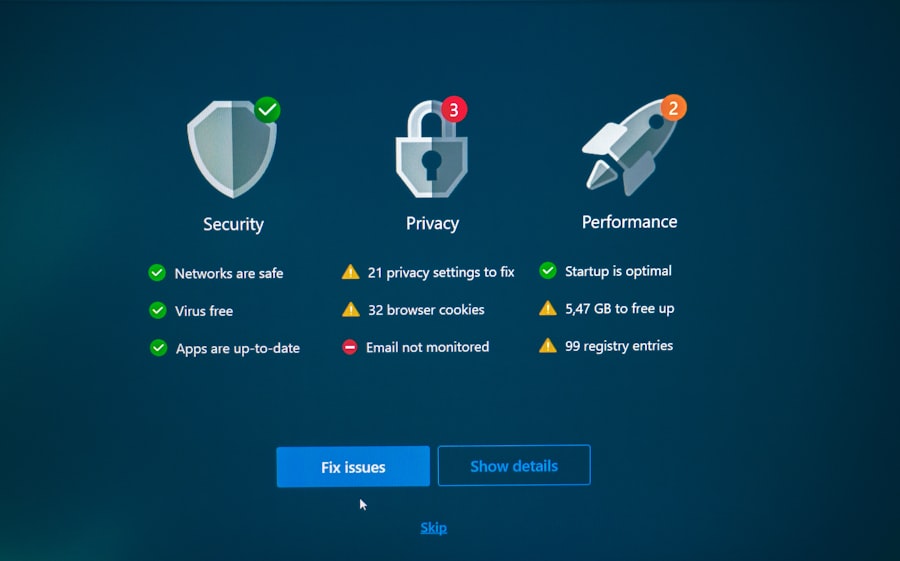
Managing inventory has historically been a significant challenge for locksmith businesses. We deal with a vast array of lock types, key blanks, and specialized tools. Maintaining optimal stock levels, avoiding dead stock, and ensuring we have the right parts for every job are critical to efficiency and profitability. My locksmith software has revolutionized how I approach inventory.
Accurate Stock Tracking and Reordering
I now have a clear, real-time understanding of my inventory levels. Each item, from a common deadbolt to a specialized master key system component, is cataloged within the software. Every time a technician uses a part on a job, it is recorded, and the stock level is updated automatically. This eliminates the guesswork that characterized my old system. I no longer over-order items that sit on shelves or find myself scrambling to source a critical part mid-project.
The software also generates purchase orders automatically when stock levels fall below a predefined threshold. This proactive approach to reordering ensures that I maintain a consistent supply of essential items. I can also track supplier information and purchasing history, which helps me negotiate better pricing and identify reliable vendors. This level of control over my inventory has reduced waste and improved my cash flow.
Integration with Job Management
The integration of inventory management with job management is a particularly powerful feature. When I schedule a job, the software can automatically allocate the necessary parts from my inventory. This means my technicians arrive at the job site with the correct materials, preventing costly delays and additional travel. If a specific part is not in stock, the system alerts me, allowing me to address the issue before it impacts a customer.
Furthermore, I use the software to track the cost of parts used on each job. This provides accurate data for pricing services and helps me understand the true profitability of different types of work. I can identify which services are most lucrative and which might require adjustments to pricing or procurement strategies. This insight is essential for making informed business decisions.
Improving Customer Relationship Management (CRM)

Customer satisfaction is paramount to the success of my locksmith business. Repeat customers and positive referrals are the lifeblood of my operation. My locksmith software has played a crucial role in improving how I manage my customer relationships, leading to a noticeable increase in customer loyalty.
Comprehensive Customer Records
I no longer rely on disparate notes or vague recollections to manage customer interactions. My software provides a centralized database for all customer information. This includes contact details, service history, preferred communication methods, and even details about the types of locks installed at their property. When a customer calls, I can instantly access their complete profile, allowing me to address their needs quickly and personally.
This comprehensive record keeping means my technicians also have access to relevant customer history before arriving at a job. They can see past services performed, any specific instructions or preferences, and even previous payment information. This level of preparation enhances professionalism and builds customer confidence. It also prevents asking customers for information they have already provided, which can be frustrating for them.
Automated Communication and Feedback
The software automates various aspects of customer communication, which has freed up a significant amount of my time. For example, customers receive automated confirmations of their appointments, reminders before the scheduled time, and even follow-up messages after a service is complete. These communications are professional and consistent, reinforcing my brand image.
I also utilize the software to collect customer feedback. After a service, customers receive an automated request to rate their experience or provide comments. This feedback loop is invaluable for identifying areas where I can improve my services and celebrating the successes of my team. I regularly review this feedback to ensure I am meeting and exceeding customer expectations. I find this proactive approach to customer service minimizes potential issues and strengthens customer relationships over time.
Enhanced Reporting and Business Insights
| Feature | Description |
|---|---|
| Job Scheduling | Allows users to schedule and manage locksmith jobs efficiently. |
| Inventory Management | Tracks and manages locksmith tools, equipment, and supplies. |
| Invoicing and Billing | Creates and manages invoices for locksmith services and tracks payments. |
| Customer Management | Stores customer information and job history for easy access and reference. |
| Mobile Access | Allows users to access the software and manage jobs on the go using mobile devices. |
Before integrating locksmith software, understanding the true performance of my business was often based on intuition and limited financial statements. While these were helpful, they lacked the granular detail needed for truly informed decision-making. Now, my software provides me with a wealth of data, offering powerful insights into every aspect of my operations.
Data-Driven Decision Making
The reporting features within my locksmith software are invaluable. I can generate reports on a wide range of metrics: technician performance, job profitability, customer acquisition costs, average service duration, and popular services. This data allows me to identify trends, pinpoint inefficiencies, and make data-driven decisions about resource allocation, pricing strategies, and marketing efforts.
For example, I can analyze which services are consistently generating the highest profit margins and focus my marketing on those areas. Conversely, I can identify services that are less profitable and reassess my pricing or operational approach for them. This empirical evidence supports my business strategy and prevents me from relying on assumptions, which can be detrimental to growth. I also use these reports to identify top-performing technicians and provide targeted training or recognition.
Performance Monitoring and Benchmarking
I regularly monitor key performance indicators (KPIs) through the software’s dashboards. This allows me to track my progress towards specific business goals. I can compare current performance against previous periods, setting benchmarks for improvement. If I notice a decline in a particular metric, I can drill down into the data to understand the underlying causes and implement corrective actions promptly.
For instance, if I observe an increase in job completion times, I can investigate whether it is due to specific technicians, types of jobs, or inventory shortages. This detailed analysis helps me diagnose problems accurately rather than addressing symptoms. The ability to monitor performance continually helps me maintain a high level of operational efficiency and ensures my business remains competitive in the market.
My journey with locksmith software has transformed my business from a reactive, paper-based operation into a proactive, data-driven enterprise. The initial investment has paid for itself multiple times over through increased efficiency, improved customer satisfaction, and a clearer understanding of my business’s financial health. I continue to explore new features and integrations, confident that leveraging technology is essential for sustained growth and success in the locksmith industry.
