


The reality of running a lawn care business often involves wrestling with logistics as much as it does with grass stains. For a long time, my operation relied on a haphazard system of scribbled notes, phone calls, and sheer mental energy to keep track of clients, schedules, and crews. It worked, in a rudimentary fashion, but the inefficiencies were palpable. Missed appointments, double bookings, and the constant nagging feeling that I could be doing more with my time and resources were daily companions. This is why I began exploring how software could bring order to the chaos, specifically in the realm of dispatching.
My early days in lawn care were characterized by a reliance on analog methods. Each client was a name in a Rolodex, their service history a series of annotations on a paper calendar. Dispatching involved a flurry of phone calls: to the crew leader to confirm their availability, to clients to book appointments, and back to the crew to deliver the day’s instructions. This process was a bottleneck, consuming valuable hours that could have been redirected towards client acquisition, training, or even just a moment of respite.
The Domino Effect of a Missed Call
I vividly remember one particularly frustrating afternoon. A key client called with an urgent request – a fallen tree branch threatening their property. My mobile rang, but in the midst of juggling two other calls and trying to scribble down a new job’s details, I missed it. The client, understandably annoyed, called a competitor. This single missed connection wasn’t just a lost job; it was a dent in my reputation, a tangible demonstration of how easily things could unravel when relying on manually managed information. That incident, among others, solidified my resolve to find a better way.
Inefficient Route Planning: The Bane of Every Lawn Care Provider
Beyond individual communication breakdowns, the larger issue was route optimization. Without any digital tools, I was essentially assigning jobs based on a general sense of geography. This often meant crews zig-zagging across town, burning unnecessary fuel and time. I’d see my guys spending an extra 30-45 minutes on the road between properties, time that could have been spent performing actual service. This wasn’t just a financial drain; it was a contributing factor to crew fatigue and reduced productivity.
Record Keeping: A Growing Pile of Paperwork
As my client base grew, so did the paperwork. Invoices, service records, client contact information – it all accumulated. Trying to retrieve specific information from this growing mountain of paper was a tedious and often fruitless endeavor. This lack of immediate access to accurate data prevented me from making informed decisions about scheduling, resource allocation, or even identifying recurring issues with certain properties or clients.
Embracing Technology: The Dawn of Lawn Care Dispatch Software
The realization that manual methods were actively hindering my business’s growth was a turning point. I began researching different software solutions designed for service-based businesses, with a particular focus on those tailored for lawn care or landscaping. What I discovered was a world of tools that promised to streamline communication, optimize scheduling, and provide real-time visibility into my operations.
Initial Skepticism and the Learning Curve
I won’t pretend it was an immediate flip of a switch. My initial introduction to dispatch software was met with some apprehension. I was accustomed to my tried-and-true methods, however inefficient they were. The idea of learning a new system felt overwhelming, an additional burden on an already packed schedule. The user interfaces looked complex, and I worried about alienating my crews who were also accustomed to their established routines. However, the potential benefits outweighed my reservations.
Choosing the Right Tool: Key Features I Looked For
My selection process was guided by a few crucial requirements. I needed a system that was intuitive for both myself and my crews. Real-time communication was paramount, as was the ability to manage schedules and routes more effectively. Features such as customer relationship management (CRM) capabilities, invoicing integration, and mobile accessibility for my on-site teams were also high on my list. I spent weeks comparing different platforms, reading reviews, and even requesting demos.
The Transition Phase: Training and Adaptation
The actual implementation involved a dedicated training period. I dedicated specific afternoons to walk my crews through the software, focusing on the features they would use daily. We started with basic functions: accessing their schedules, marking jobs as complete, and communicating with me. Gradually, we introduced more advanced features. While there were some initial grumbles and moments of frustration, the inherent benefits became apparent fairly quickly. The ability to see their assigned route on a map, for example, was a significant improvement over their previous paper printouts.
Streamlining Operations: How Software Revolutionized My Dispatch

The impact of implementing lawn care dispatch software on my daily operations has been profound. The transformation from a fragmented, reactive approach to a coordinated, proactive system has saved me countless hours and significantly improved client satisfaction.
Real-Time Job Assignment and Communication
Gone are the days of frantic phone calls. When a new job comes in, I can input it directly into the system, assign it to the appropriate crew based on their current location and availability, and send them the job details instantly. Likewise, if a client needs to reschedule or if a job can be completed early, the information flows seamlessly to the crew in the field. This real-time communication minimizes delays and ensures that my teams are always working on the most important tasks.
Optimized Route Planning and Scheduling: Maximizing Efficiency
This is where the software truly shines. By inputting all my service locations, the system can generate optimized routes for my crews. It takes into account traffic patterns, job duration estimates, and even the proximity of upcoming appointments. This has led to a tangible reduction in travel time, meaning more jobs completed per day and less fuel consumed. Scheduling appointments has also become far more efficient. I can see available slots at a glance and avoid overbooking or scheduling conflicting appointments.
Enhanced Customer Management: Building Stronger Relationships
The CRM functionalities within the software have been invaluable. I have a centralized database of all my clients, including their contact information, service history, specific requests, and even preferences. This allows me to personalize my service and address clients by name, remembering details about their property. It also simplifies the process of sending out appointment reminders and follow-up communications. Satisfied clients tend to be repeat clients, and this system helps me nurture those relationships.
Mobile Accessibility: Empowering My Crews
The mobile app is the backbone of my field operations. My crews can access their schedules, view job details, navigate to client locations, mark jobs as complete, and even collect payments directly from their smartphones or tablets. This empowers them with the information they need to perform their duties efficiently and independently. It also allows me to track their progress in real-time, providing me with valuable insights into their productivity and any potential issues that may arise.
Key Benefits Beyond the Obvious: Unforeseen Advantages
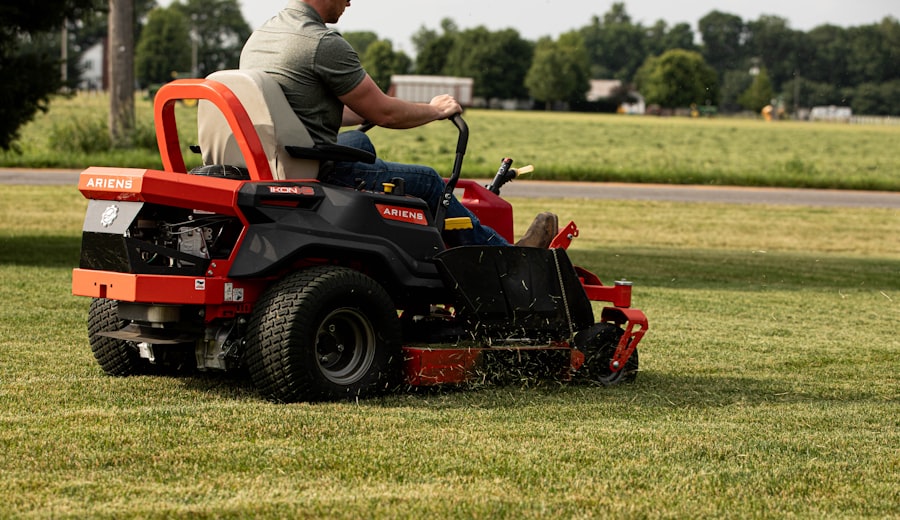
While the direct benefits of efficient dispatch are readily apparent, the implementation of dispatch software has yielded several less obvious, yet equally impactful, advantages for my business. These have contributed to a more sustainable and profitable operation.
Improved Data Accuracy and Reporting
The transition from handwritten notes to digital records has drastically improved the accuracy of my data. No more deciphering faded ink or misplaced scribbles. This accurate data fuels better reporting, allowing me to analyze job completion times, identify recurring issues, and understand which services are most profitable. This data-driven approach allows me to make more informed business decisions.
Enhanced Accountability and Performance Tracking
With real-time job tracking, I have a clearer picture of crew performance. I can see which jobs are being completed on time, how long each task is taking, and identify any bottlenecks in the workflow. This doesn’t mean micromanaging, but rather having the information to provide constructive feedback, identify training needs, and reward excellent performance. It fosters a sense of accountability without creating a punitive environment.
Reduced Administrative Overhead: Freeing Up My Time
The time I used to spend on manual dispatching, reconciling schedules, and chasing down information has been significantly reduced. This has freed up considerable time for me to focus on higher-level tasks such as business development, marketing, strategic planning, and client relationship building. It has allowed me to step out of the day-to-day operational trenches and focus on growing the business.
Cost Savings Through Efficiency
While there is an upfront investment in software, the long-term cost savings are undeniable. Reduced fuel consumption due to optimized routes, increased productivity leading to more jobs completed, and fewer errors that require costly rectifications all contribute to a healthier bottom line. The software pays for itself by enabling me to do more with less.
Mitigating Challenges: Navigating the Implementation Process
| Metrics | Value |
|---|---|
| Number of dispatched jobs | 150 |
| Response time | 30 minutes |
| Customer satisfaction rate | 95% |
| Efficiency improvement | 20% |
While the benefits are clear, I’d be remiss not to acknowledge that implementing new software isn’t without its challenges. Proactively addressing these hurdles has been crucial to my successful transition.
Overcoming Crew Resistance to Change
As I mentioned earlier, some of my crews were initially hesitant. The key to overcoming this resistance was consistent communication and demonstrating the tangible benefits for them. Showing them how the software would simplify their day-to-day tasks, provide clearer instructions, and even help them finish their routes earlier was essential. Offering ample training and support, and being patient with their learning curve, also played a vital role.
Data Migration and Integration Complexities
Transferring existing client data from analog records to a digital format can be a time-consuming process. Initially, I spent several weekends manually inputting client information. Some software solutions offer data import tools, which can be helpful, but it often requires careful data cleansing and formatting beforehand. Integrating the dispatch software with other business tools, if necessary, can also present technical hurdles that require careful planning and potentially IT support.
Budgetary Considerations and ROI Justification
The cost of dispatch software is a legitimate consideration for any business owner. It’s important to approach this with a clear understanding of the potential return on investment (ROI). By meticulously tracking the time saved, improved efficiency, and reduced expenses directly attributable to the software, I could clearly demonstrate its value and justify the ongoing costs. Many providers offer tiered pricing or subscription models, allowing businesses to scale their investment as they grow.
Ongoing Training and Software Updates
Technology evolves, and dispatch software is no exception. New features are released, and existing ones are updated. It’s essential to commit to ongoing training for new hires and to stay informed about software updates to maximize its benefits. This requires dedicating a small amount of time periodically for review and learning, a small price to pay for continued efficiency.
The Future of Lawn Care Dispatch: A Digital Horizon
The evolution of lawn care dispatch software is still ongoing. I anticipate further advancements in areas like artificial intelligence for predictive scheduling, advanced telematics for fleet management, and even more sophisticated integration with customer service platforms. The days of relying on manual processes are increasingly numbered. For any lawn care business looking to scale, improve efficiency, and enhance customer satisfaction, embracing efficient dispatch software is no longer an option; it’s a necessity for survival and growth in a competitive market. My own journey from overwhelming paperwork and missed opportunities to streamlined operations and satisfied clients is a testament to the transformative power of embracing the right technology.
