


I’ve always been a hands-on person. My small plumbing business, “Pipe Dream Solutions,” has been my baby for the last ten years. From unclogging drains to installing intricate water systems, I’ve prided myself on the quality of my work and the personal touch I bring to every job. For a long time, this meant a lot of frantic scribbling in a worn-out notebook, juggling appointment cards, and a constant mental gymnastics routine trying to remember who needed what, when, and where. It worked, for a while. But as the demand grew, and my team expanded from just myself to three other skilled technicians, the cracks in my manual system started to show. Missed appointments, lost invoices, miscommunicated job details – it was becoming a frustrating drain on my time and, frankly, my sanity.
It was a particularly chaotic Tuesday, with three technicians spread across town, a customer in tears because their water heater had decided to stage a dramatic flood, and me trying to coordinate everything from my crowded office desk, that I realized something had to change. I’d heard whispers about field service software, but the idea of learning a new system felt overwhelming. My initial thought was that it was probably too expensive or too complicated for a small operation like mine. But the sheer inefficiency staring me in the face was a stark motivator. If I wanted Pipe Dream Solutions to continue growing, to maintain the high standards my customers expected, I needed to embrace technology. The journey to finding the right field service software for my small business has been a game-changer, and I want to share how it’s helped me not just manage, but truly maximize our efficiency.
Before we adopted field service software, our appointment process was a tangled mess. Customers would call, I’d jot down their details, try to find a slot that worked for them and a technician, and then hope someone remembered to update the physical whiteboard in the office. It was rife with potential for error. Now, with our new system, it’s a completely different story. The entire appointment lifecycle is visibly and efficiently managed, from the very first customer interaction to the final payment.
Effortless Scheduling and Dispatch
The biggest immediate impact was on scheduling. Our software allows us to create appointments directly, inputting customer details, service requests, and preferred times. What used to take multiple phone calls and a complex back-and-forth is now a matter of clicks.
Real-time Availability and Technician Matching
The software provides a clear, visual calendar showing each technician’s availability. When a new request comes in, I can instantly see who is free and qualified for the job. It even suggests the closest technician geographically, saving precious travel time. This isn’t just about filling slots; it’s about intelligent dispatch.
Drag-and-Drop Simplicity for Rescheduling
Life happens, and sometimes appointments need to be moved. With our old system, this was a chaotic reshuffling. Now, I can simply drag and drop appointments on the digital calendar. The software automatically notifies the technician and the customer of the change, eliminating miscommunication. It’s so intuitive that even I, not exactly a tech whiz, found it easy to get the hang of.
Digital Work Order Management
Gone are the days of crumpled paper work orders. Everything is now digital, accessible on a tablet or smartphone. This has revolutionized how my team manages their tasks in the field.
Detailed Job Information at Their Fingertips
Each work order contains all the necessary information: customer contact details, address, service history, specific instructions, and even a diagram of the plumbing system if available. This ensures our technicians arrive prepared, knowing exactly what to expect, which significantly reduces diagnostic time on-site.
Real-time Updates and Progress Tracking
As a technician completes a task, they can update the work order in real-time. This could be as simple as marking a diagnostic step as complete or noting that a part needs to be ordered. I can see the progress of every job from my office, allowing me to anticipate potential delays and manage customer expectations proactively.
Seamless Invoicing and Payment Processing
This was a major pain point for me. I’d often delay invoicing, leading to cash flow issues. Now, it’s integrated directly into the workflow.
Automated Invoice Generation
Once a job is marked as complete, the software can automatically generate an invoice based on the time spent, parts used, and agreed-upon rates. This means we no longer have to manually calculate and type out invoices, saving hours each week.
On-Site Payment Acceptance
Our tablets have built-in payment processing capabilities. Technicians can accept credit card payments directly from customers in the field. This streamlines the payment process for the customer and ensures we get paid faster, improving our cash flow significantly. It also reduces the risk of lost checks or forgotten payments.
Enhancing Communication and Customer Relationships
In a service-based business, strong communication is paramount. Field service software has been instrumental in bridging the gap between our team and our clients, fostering trust and improving overall customer satisfaction.
Improved Internal Communication
My team members are often miles apart, working on different jobs. Previously, communication relied on sporadic phone calls or text messages, which could be easily missed.
Centralized Communication Hub
The software acts as a central hub for all job-related communication. Technicians can send messages, share photos, and ask questions directly within the work order. This keeps all conversations contextualized and easily accessible for future reference.
Instant Notifications for Important Updates
When a job is assigned, rescheduled, or completed, technicians receive instant notifications. This ensures everyone is always in the loop, minimizing confusion and ensuring smooth handoffs between team members if necessary.
Proactive Customer Engagement
Happy customers become repeat customers and valuable sources of referrals. Our field service software has equipped us with tools to keep our clients informed and engaged every step of the way.
Automated Appointment Reminders
Nobody likes missed appointments, for them or for us. The software automatically sends out appointment reminders to customers via email or text message, a few days and again a day before the service. This drastically reduces no-shows and last-minute cancellations.
Real-time Job Status Updates for Customers
Some software packages allow for a customer portal, where they can log in and see the status of their service request. If a technician is running a few minutes late, the customer can be notified automatically. This transparency builds trust and sets realistic expectations, leading to fewer complaints.
Post-Service Follow-ups and Feedback Collection
After a job is completed, the software can be configured to send out automated follow-up emails or surveys. This allows us to check in with the customer, ensure they are satisfied with the service, and gather valuable feedback that we can use to improve our operations. It also makes them feel valued and shows we care about their long-term satisfaction.
Boosting Technician Productivity and Performance
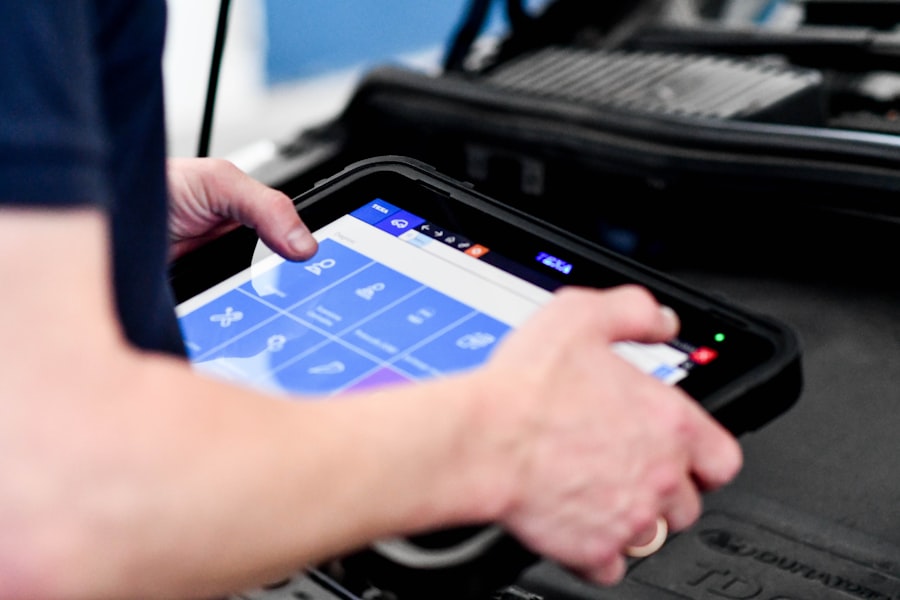
My technicians are the backbone of Pipe Dream Solutions. Equipping them with the right tools is not just about making my life easier; it’s about empowering them to do their best work more efficiently.
Reduced Administrative Burden for Technicians
Before the software, technicians spent a significant amount of time on administrative tasks: filling out paper forms, getting signatures, and returning to the office to submit them. This time could have been spent on servicing more clients.
Digital Forms and Checklists
All necessary forms, checklists, and safety protocols are now accessible on their tablets. They can complete these digitally, saving time and ensuring all necessary information is captured accurately. This also reduces the chances of lost paperwork.
Eliminating Manual Data Entry
The software eliminates the need for technicians to manually enter data back at the office. Information is captured in the field and instantly synced, saving them valuable time and effort. This allows them to focus on their core responsibilities.
Optimized Routing and Travel Time
Travel time is a significant cost and drain on productivity for any field service business. Our software has been a revelation in this area.
Intelligent Route Optimization
The software integrates with GPS systems to plan the most efficient routes for technicians, taking into account traffic conditions and appointment locations. This can save a significant amount of time and fuel each day.
Turn-by-Turn Navigation
Technicians have direct access to turn-by-turn navigation within the app, eliminating the need for separate GPS devices or fumbling with smartphone map apps. This keeps them focused on the road and reduces arrival delays.
Improved Job Completion Rates
When technicians have all the necessary information, are well-organized, and can navigate efficiently, their ability to complete jobs effectively and on time increases dramatically.
Access to Service History and Equipment Information
If a customer has a recurring issue or a specific type of equipment, the technician can access their service history and relevant equipment details directly through the app. This allows them to diagnose and fix problems faster, often without needing to call for assistance.
Quicker Parts and Inventory Management
Some software solutions allow for real-time inventory tracking. Technicians can see what parts are available in their van or at the warehouse. This speeds up the repair process by ensuring they have the necessary components on hand, or can quickly arrange for them.
Gaining Valuable Insights with Data and Analytics
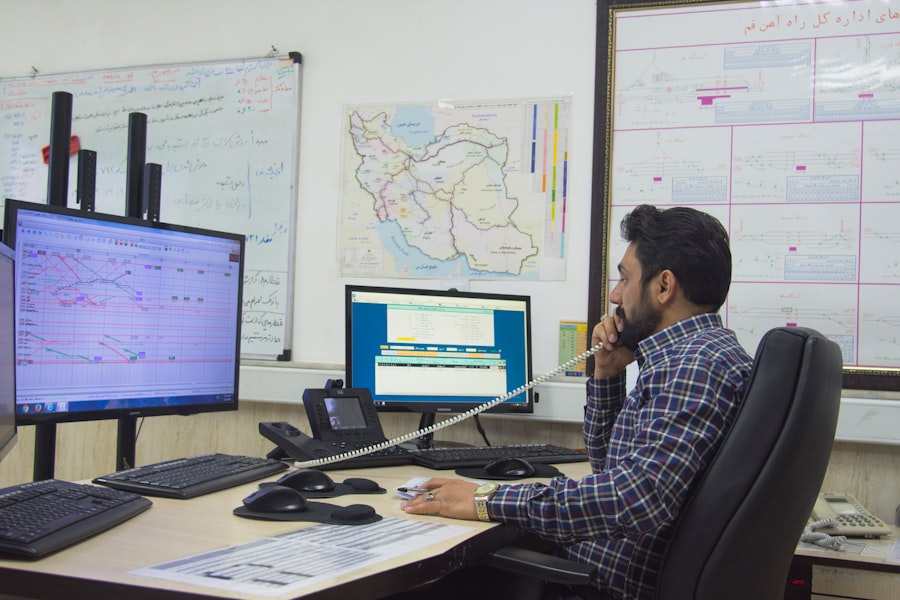
One of the most powerful, yet often underestimated, benefits of field service software is the wealth of data it generates. This data, when analyzed, provides invaluable insights that can drive informed business decisions and further optimize operations.
Performance Tracking and Key Performance Indicators (KPIs)
Understanding how the business is performing is crucial. Our software provides dashboards and reports that highlight key metrics.
Technician Efficiency Metrics
I can now track metrics like the average time taken to complete a job, the number of jobs completed per day, and travel time versus service time for each technician. This helps identify areas where individuals or the team as a whole might need additional training or support.
Customer Satisfaction Scores and Trends
By analyzing feedback from post-service surveys, I can identify patterns in customer satisfaction. Are there specific services or technicians that consistently receive high praise? Are there recurring issues that need addressing?
Identifying Bottlenecks and Areas for Improvement
The data allows me to move beyond gut feelings and pinpoint specific areas where our operations might be faltering.
Analyzing Job Completion Times by Service Type
Is there a particular type of plumbing job that consistently takes longer than expected? This might indicate a need for specialized tools, additional training, or a reassessment of our pricing for that service.
Tracking Invoicing and Payment Cycles
Understanding how long it takes from job completion to payment helps refine our invoicing and collection processes, improving cash flow.
Informing Business Strategy and Growth Planning
The insights gained from data analytics are not just for fine-tuning current operations; they are essential for strategic planning and future growth.
Demand Forecasting Based on Historical Data
By analyzing past service requests, I can begin to forecast demand for different services and at different times of the year. This helps with staffing decisions and inventory management.
Identifying Profitable Service Offerings
Which services are the most profitable for Pipe Dream Solutions? This data can help us tailor our marketing efforts and focus on developing expertise in our most lucrative areas.
Maximizing Profitability and Return on Investment (ROI)
| Feature | Description |
|---|---|
| Job Scheduling | Allows you to schedule and assign jobs to your field technicians efficiently. |
| Mobile Access | Enables your technicians to access job details, customer information, and updates on the go. |
| Inventory Management | Helps you track and manage your inventory of parts and supplies for field service jobs. |
| Customer Management | Allows you to keep track of customer information, service history, and communication. |
| Invoicing and Payment | Enables you to create and send invoices, and accept payments in the field. |
Ultimately, any investment a business makes needs to contribute to its bottom line. Field service software, while an upfront cost, has proven to be a significant driver of profitability for Pipe Dream Solutions.
Reduced Operational Costs
Efficiency directly translates into cost savings. By streamlining processes and reducing waste, we’ve seen a tangible reduction in our operating expenses.
Lower Fuel Consumption
Optimized routes mean less time spent driving, which directly lowers our fuel bills. This is a consistent and recurring saving.
Reduced Paper and Administrative Costs
The shift to digital forms and invoicing has eliminated the recurring costs associated with printing, paper, and manual filing.
Fewer Errors and Rework
Minimizing miscommunication and ensuring technicians have accurate information leads to fewer mistakes, which in turn reduces the need for costly rework or callbacks.
Increased Revenue and Business Growth
The efficiency gains aren’t just about saving money; they’re about generating more.
Higher Number of Service Calls Per Day
With optimized scheduling and reduced travel, our technicians can complete more service calls each day, directly increasing our revenue potential.
Improved Customer Retention and Loyalty
Happy, well-informed customers are more likely to return and recommend our services. This organic growth is invaluable.
Opportunities for Upselling and Cross-selling
With detailed customer service history and needs readily available, technicians are better positioned to identify opportunities for upselling related services or products.
Achieving a Strong Return on Investment (ROI)
While there was an initial investment in the software and some training, the long-term benefits have far outweighed this cost.
Tangible Savings from Reduced Costs
The direct savings in fuel, paper, and administrative time quickly add up, offsetting the software subscription fees.
Increased Revenue from More Efficient Operations
The ability to handle more jobs and serve customers more effectively directly boosts our income.
Strategic Advantages for Long-Term Growth
The data-driven insights and improved operational foundation provided by the software position Pipe Dream Solutions for sustainable and profitable growth in the future.
Switching to field service software for my small plumbing business wasn’t just about adopting a new piece of technology; it was about fundamentally transforming how I run my company. It’s taken the chaos out of my days, empowered my team, and most importantly, allowed me to focus on what I love to do: providing excellent service to my customers without being bogged down by administrative nightmares. If you’re a small business owner struggling with similar operational challenges, I can’t recommend enough that you explore the world of field service software. It might seem daunting at first, but the return on investment, in terms of both efficiency and profitability, is truly remarkable. For Pipe Dream Solutions, it has been the best plumbing job I’ve ever done – fixing the pipes of my own business.
