
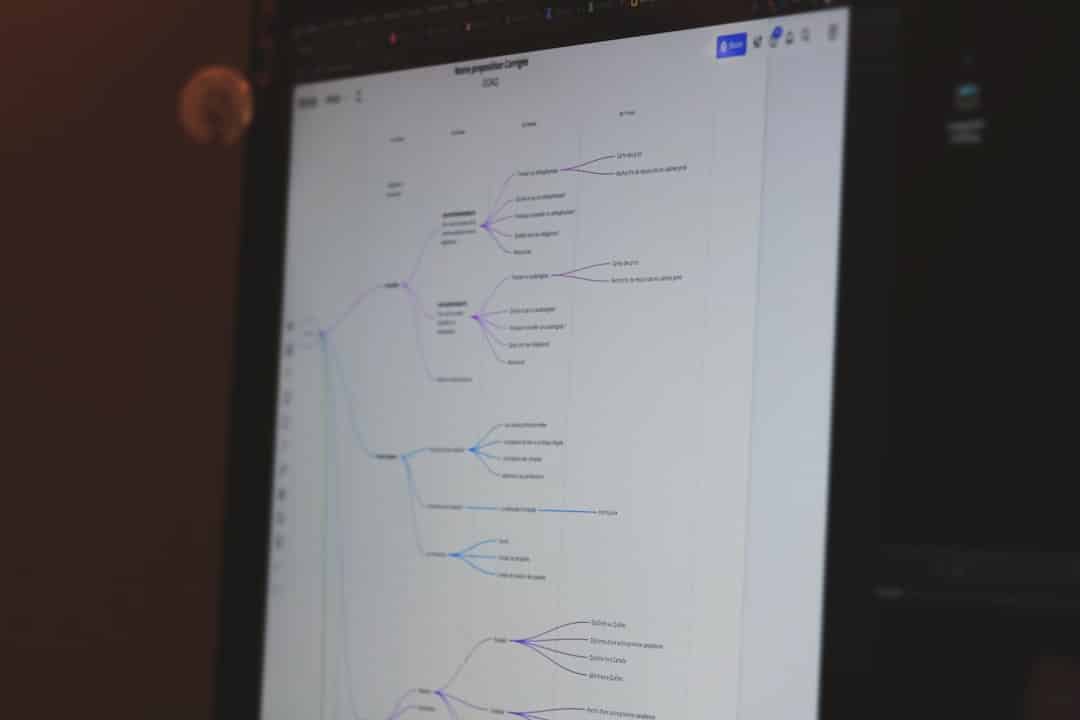

In an era where technology permeates every aspect of our lives, the cleaning service industry is no exception. Cleaning service automation refers to the integration of technology and software solutions to streamline operations, enhance efficiency, and improve client satisfaction. This transformation is not merely about adopting new tools; it represents a fundamental shift in how cleaning businesses operate, manage their workforce, and interact with clients.
By leveraging automation, cleaning services can reduce manual tasks, minimize human error, and ultimately provide a higher quality of service. The rise of automation in cleaning services is driven by several factors, including the increasing demand for efficiency and the need for businesses to remain competitive in a crowded marketplace. As clients become more discerning, they expect not only high-quality cleaning but also seamless communication and service delivery.
Automation addresses these expectations by providing tools that facilitate better management of resources, scheduling, and client interactions. The result is a more agile business model that can adapt to changing client needs while maintaining operational excellence.
Key Takeaways
- Cleaning service automation is revolutionizing the industry by streamlining client management, appointment scheduling, invoicing, communication, payment processing, staff management, and more.
- Streamlining client management for cleaning services involves using automation to efficiently organize client information, preferences, and service history for better customer service and retention.
- Automated cleaning appointment scheduling offers benefits such as improved efficiency, reduced scheduling errors, and increased customer satisfaction through convenient online booking options.
- Efficient invoicing with AutoOps for cleaning services allows for automated billing, invoicing, and payment reminders, saving time and reducing the risk of errors.
- Automating communication with clients for cleaning services ensures timely and personalized interactions through automated reminders, updates, and feedback requests, enhancing customer experience and loyalty.
Streamlining Client Management for Cleaning Services
Personalized Services through Data-Driven Insights
For instance, customer relationship management (CRM) systems designed specifically for cleaning services allow businesses to store detailed profiles of each client, including their specific cleaning requirements, frequency of service, and feedback from previous appointments. This data can be invaluable in tailoring services to meet individual client needs and improving overall satisfaction.
Enhanced Communication and Convenience
Moreover, automated client management systems can facilitate better communication between cleaning services and their clients. Automated reminders for upcoming appointments, follow-up messages after service completion, and easy access to service history can all be managed through these platforms. This not only enhances the client experience but also reduces the administrative burden on staff who would otherwise spend time managing these interactions manually.
Streamlined Operations for Quality Focus
By streamlining client management processes, cleaning services can focus more on delivering quality work rather than getting bogged down in paperwork and scheduling conflicts.
The Benefits of Automated Cleaning Appointment Scheduling

One of the most significant advantages of automation in cleaning services is the ability to streamline appointment scheduling. Traditional scheduling methods often involve back-and-forth communication between clients and service providers, leading to potential misunderstandings and inefficiencies. Automated scheduling systems eliminate this hassle by allowing clients to book appointments online at their convenience.
These systems can display real-time availability, enabling clients to choose times that work best for them without the need for direct interaction with staff. Additionally, automated scheduling tools can send confirmation emails or text messages to clients upon booking, reducing no-show rates and ensuring that both parties are aligned on the appointment details. For cleaning service providers, these systems can automatically allocate jobs to staff based on their availability and skill sets, optimizing workforce management.
This not only enhances operational efficiency but also ensures that clients receive timely service without unnecessary delays or cancellations.
Efficient Invoicing with AutoOps for Cleaning Services
Invoicing is a critical component of any business operation, yet it can often be a time-consuming process fraught with errors. Automation tools like AutoOps can revolutionize invoicing for cleaning services by streamlining the entire process from service completion to payment collection. With automated invoicing systems, businesses can generate invoices instantly after a job is completed, ensuring that billing is timely and accurate.
This reduces the likelihood of disputes over charges and enhances cash flow management. Moreover, automated invoicing systems can integrate with accounting software to provide real-time financial insights. This integration allows cleaning service owners to track income, expenses, and profitability with ease.
Additionally, automated reminders for overdue invoices can be sent to clients, reducing the time spent on collections and improving overall financial health. By automating invoicing processes, cleaning services can focus more on their core operations while ensuring that their financial transactions are handled efficiently.
Automating Communication with Clients for Cleaning Services
Effective communication is essential in maintaining strong relationships with clients in the cleaning industry. Automation can play a pivotal role in enhancing communication strategies by providing tools that facilitate timely and relevant interactions. For example, automated messaging systems can send out reminders about upcoming appointments or notifications about changes in schedule due to unforeseen circumstances.
This proactive approach helps manage client expectations and fosters trust. Furthermore, automated feedback requests can be sent after each service, allowing clients to share their experiences easily. This feedback can be invaluable for cleaning services looking to improve their offerings or address any issues promptly.
By analyzing client feedback through automated systems, businesses can identify trends and areas for improvement, ultimately leading to enhanced service quality and customer satisfaction. The ability to maintain consistent communication through automation not only strengthens client relationships but also positions cleaning services as responsive and attentive providers.
Integrating Payment Processing into Cleaning Service Automation
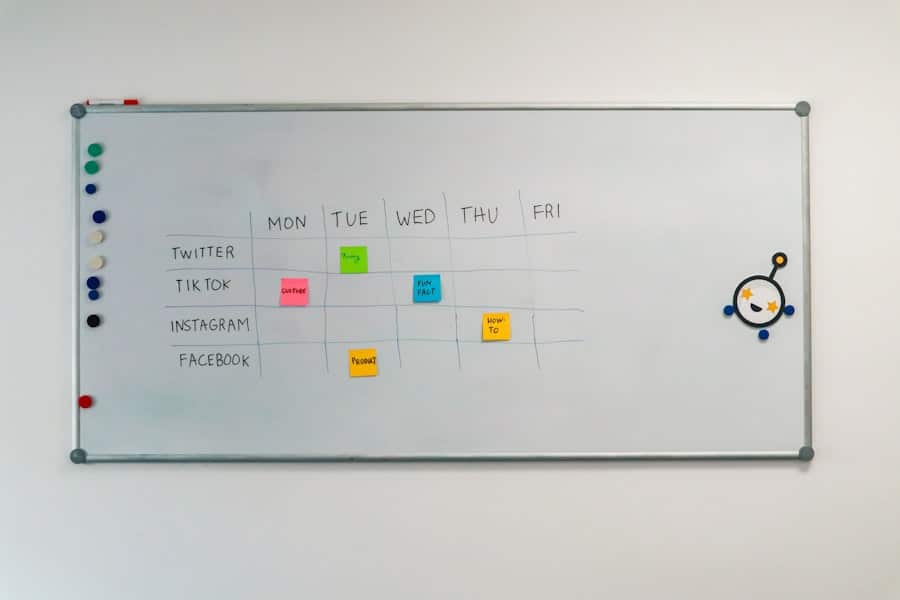
Streamlined Payment Processing
Traditional payment methods, which often involve manual handling of cash or checks, can be cumbersome and prone to errors. In contrast, automated payment processing systems allow clients to pay for services online through secure platforms, offering convenience and flexibility.
Reduced Administrative Burden
This not only speeds up the payment cycle but also reduces the administrative burden associated with tracking payments. Moreover, automated payment systems can offer various payment options, including credit cards, digital wallets, and recurring billing for regular clients. This flexibility caters to diverse client preferences and encourages timely payments.
Enhanced Cash Flow Management
Additionally, integrating payment processing with invoicing systems ensures that all financial transactions are accurately recorded in real-time, providing business owners with up-to-date financial data at their fingertips. By automating payment processing, cleaning services can enhance cash flow management while providing a seamless experience for their clients.
Managing Cleaning Service Staff and Assignments with AutoOps
The management of cleaning staff and their assignments is a complex task that requires careful planning and coordination. Automation tools like AutoOps can simplify this process by providing features that allow managers to assign tasks based on staff availability, skill sets, and geographic location. This ensures that jobs are allocated efficiently while maximizing the strengths of each team member.
Additionally, automated systems can track staff performance through metrics such as job completion times and client feedback scores. This data-driven approach enables managers to identify high-performing employees as well as those who may require additional training or support. Furthermore, automated scheduling tools can help prevent overbooking or underutilization of staff by providing real-time visibility into workforce availability.
By effectively managing staff assignments through automation, cleaning services can enhance productivity while ensuring that clients receive consistent quality service.
The Future of Cleaning Service Automation: Trends and Innovations
As technology continues to evolve, the future of cleaning service automation promises exciting trends and innovations that will further transform the industry. One notable trend is the increasing use of artificial intelligence (AI) and machine learning algorithms to optimize operations. These technologies can analyze vast amounts of data to predict client preferences, optimize scheduling based on historical patterns, and even suggest improvements in service delivery based on client feedback.
Another emerging innovation is the integration of smart home technology into cleaning services. As more households adopt smart devices, cleaning services may find opportunities to offer specialized packages that cater to these technologies. For instance, integrating with smart home systems could allow cleaners to access specific areas or adjust settings based on client preferences automatically.
Moreover, sustainability is becoming a significant focus within the cleaning industry. Automation tools that track eco-friendly practices or monitor resource usage will likely gain traction as clients increasingly prioritize environmentally responsible services. The future landscape of cleaning service automation will undoubtedly be shaped by these trends as businesses strive to remain competitive while meeting evolving client expectations.
In conclusion, the integration of automation into cleaning services represents a transformative shift that enhances operational efficiency, improves client satisfaction, and positions businesses for future growth. As technology continues to advance, those who embrace these innovations will likely lead the way in delivering exceptional cleaning experiences tailored to the needs of modern consumers.
