
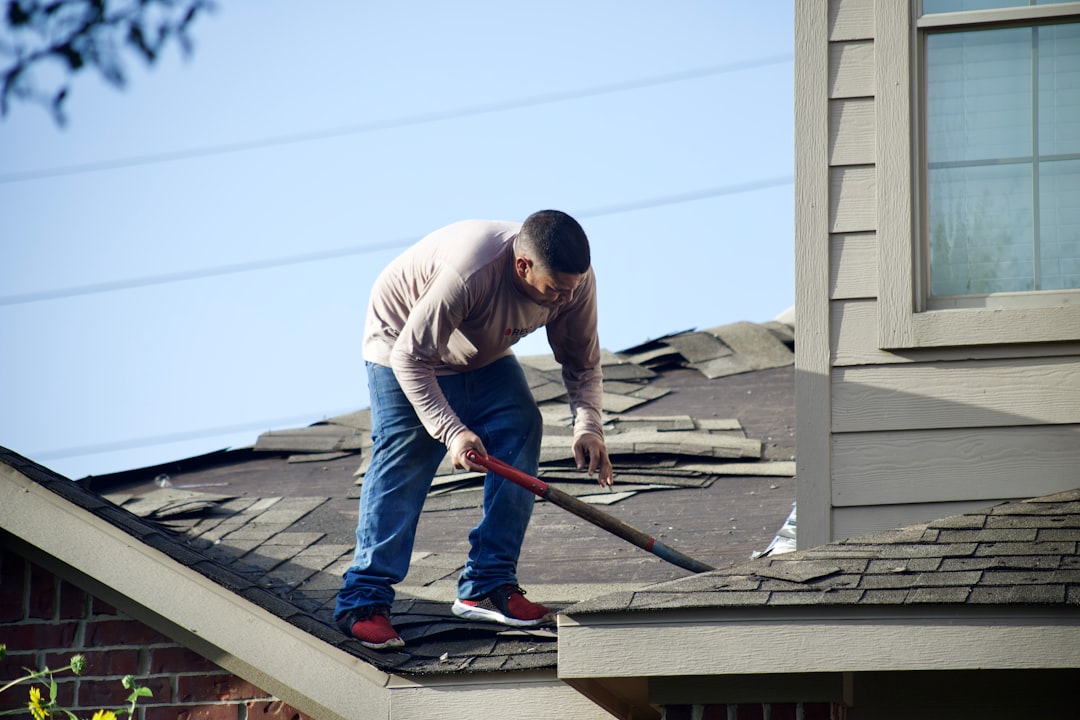

Scheduling for a roofing company is fundamentally different from scheduling for an HVAC crew, primarily due to the stark contrast in job duration, weather dependency, and material logistics. While both require skilled technicians and project management, the nature of a roofing project—often a multi-day endeavor exposed to the elements and reliant on heavy equipment—demands a more flexible, yet robust, scheduling system than the typically shorter, often indoor, and more predictable HVAC service calls or installations.
The core difference lies in how long a typical job takes. This single factor ripples through every aspect of scheduling.
Roofing: A Multi-Day Endeavor
Roofing projects, especially full replacements or large repairs, are rarely completed in a single day. You’re talking about stripping off old materials, making repairs to the decking, installing underlayment, and then meticulously laying new shingles, tiles, or membranes.
- Extended On-Site Time: Crews are often at one location for several days, sometimes even a week or more for larger commercial projects. This means less daily travel time between jobs but a much longer commitment to a single site.
- Sequential Steps: Many roofing tasks are sequential. You can’t lay new shingles until the old ones are removed and repairs are made. This creates dependencies that need to be factored into the schedule.
- Material Deliveries: Large quantities of materials need to be delivered to the site, often requiring specialized equipment and precise timing to avoid blocking driveways or public access for extended periods.
HVAC: Shorter, More Frequent Interactions
HVAC work, while sometimes involving large installations, often consists of shorter service calls or single-day installations.
- Quick Turnarounds: Many calls are for diagnostics, repairs, or routine maintenance, often resolved within a few hours. Even a full system installation might be a one-to-two-day job.
- Multiple Daily Jobs: An HVAC technician might visit several different customers in a single day, optimizing their route for efficiency.
- Emergency Response: HVAC companies frequently deal with emergencies (no heat in winter, no AC in summer), requiring rapid dispatch and flexible scheduling to accommodate urgent needs.
The Weather Factor: An Unpredictable Variable
Weather is arguably the biggest wildcard for roofing, and it plays a much less critical role in most HVAC scenarios.
Roofing’s Outdoor Reliance
Roofing is an outdoor job, plain and simple. The elements directly impact when and how work can be done.
- Rain, Snow, Ice: These are absolute non-starters. Working on a wet or icy roof is incredibly dangerous and compromises the integrity of the materials. Even a light drizzle can halt work.
- High Winds: Strong winds can make working at heights perilous, potentially blowing materials off the roof or even leading to falls.
- Extreme Temperatures: While not always a complete stop, very hot or very cold temperatures can significantly slow down work, affect material performance (e.g., shingles needing certain temperatures to seal properly), and pose health risks to the crew.
- Postponements and Rescheduling: A sudden downpour can mean an entire day’s work is lost, requiring immediate rescheduling of both crews and material deliveries. This creates a domino effect on subsequent projects.
- Monitoring Forecasts: Roofing schedulers spend a significant amount of time monitoring weather forecasts, often making day-of decisions to either proceed or postpone.
HVAC’s Indoor Comfort
While some HVAC work involves outdoor units, the majority of the work is performed indoors, sheltered from the elements.
- Minimal Weather Impact: Rain doesn’t stop an HVAC technician from fixing a furnace in a basement. Extreme heat or cold might cause the service call, but it doesn’t prevent the work itself.
- Consistent Work Environment: This allows for more predictable scheduling, as external factors are less likely to disrupt a planned job.
- Access Requirements: The main weather-related concern might be getting to a customer’s home safely, rather than the work itself being affected.
Material Logistics: Weight, Volume, and Delivery

The sheer volume and weight of roofing materials create unique logistical challenges not typically faced by HVAC companies.
Roofing: Heavy, Bulky, and Time-Sensitive Deliveries
Roofing materials aren’t just heavy; they’re often delivered in large quantities directly to the job site.
- Specialized Deliveries: Shingles, underlayment, decking, and metal flashing arrive on pallets, often requiring crane trucks or specialized forklifts to get them onto the roof or safely stored on site.
- Coordination with Suppliers: Delivery schedules need to be tightly coordinated with the start date of the project and the availability of the crew. Delays can mean a crew waiting around with nothing to do.
- On-Site Storage: Materials often sit on the property for the duration of the project, requiring careful placement to avoid damage or obstruction.
- Waste Removal: Equally important is the removal of old roofing materials, which are heavy and bulky. Dumpsters need to be ordered and picked up, adding another layer to the logistical puzzle.
HVAC: Smaller, More Manageable Parts
While HVAC units themselves can be large, many jobs involve smaller components.
- Warehouse Stock: HVAC companies typically stock a wide range of common parts in their own warehouse or on their service vehicles, allowing for immediate repairs.
- Just-in-Time Deliveries: For larger units or specialized parts, deliveries are often to the company’s shop or directly to the job site, but they typically don’t require the same level of heavy equipment or prolonged on-site storage as roofing materials.
- Less Waste Volume: While old units need to be removed, the sheer volume and weight of waste are generally less than a full roof tear-off.
Crew Management: Skills, Size, and Specialization

The composition and deployment of crews also differ significantly between the two trades.
Roofing: Specialized Teams, Longer Deployments
Roofing crews are often larger and more specialized, working together as a cohesive unit on a single project for an extended period.
- Team-Based Work: A roofing crew typically consists of several individuals with different roles (tear-off, repair, shingle installation, flashing, clean-up). They work best as a unit.
- Skill Specialization: While all roofers are generally skilled, some may specialize in certain types of roofing (e.g., flat roofs vs. pitched roofs, tile vs. metal).
- Logistics of Movement: Moving an entire roofing crew and their specialized equipment from one job to another is a larger undertaking than moving a single HVAC technician and their van.
- Fatigue and Safety: Due to the physical demands and height risks, managing crew fatigue and ensuring safety protocols are followed is paramount, affecting the pace and duration of work.
- Project Lead Responsibility: A project lead or foreman is usually on site for the duration of the job, managing the crew, materials, and client communication.
HVAC: Individual Technicians, Diverse Skillsets
HVAC often relies on individual technicians who are highly skilled in diagnosing and repairing a wide range of systems.
- Individual Dispatch: Technicians are often dispatched individually to various service calls throughout the day.
- Broad Skillset: An HVAC technician is expected to handle a variety of issues, from a simple thermostat replacement to a complex refrigeration problem.
- Route Optimization: Scheduling aims to optimize routes for individual technicians, minimizing travel time between jobs.
- Emergency Skills: Many HVAC technicians are also equipped and trained for emergency calls, requiring them to be available on short notice.
Customer Expectations & Communication
| Factors | Roofing Companies | HVAC Crews |
|---|---|---|
| Weather Dependency | Highly dependent on weather conditions for installation and repairs | Less impacted by weather, can work in controlled indoor environments |
| Material Availability | Need to ensure timely delivery of roofing materials | Materials are often readily available and can be stocked in advance |
| Project Duration | Roofing projects may take longer due to weather delays | Projects can be completed more quickly due to controlled work environments |
| Seasonal Demand | May experience seasonal peaks and lulls in demand | Steady demand throughout the year |
How customers interact with and expect communication from these two types of businesses also shapes scheduling.
Roofing: Project-Oriented Communication
Roofing customers are typically prepared for a longer engagement and expect updates on the project’s progress and any delays.
- Pre-Project Briefing: Detailed discussions about timelines, material choices, and potential disruptions are crucial before work begins.
- Progress Updates: Customers expect regular updates on the multi-day process, especially if weather causes delays.
- Tolerance for Disruption: Homeowners generally understand that roofing is a disruptive process (noise, debris) and plan accordingly.
- Post-Completion Walkthrough: A thorough final inspection and walk-through with the customer are standard practice.
HVAC: Service-Oriented Communication
HVAC customers often expect quick responses, precise appointment windows, and clear communication about service calls.
- Appointment Windows: Customers often expect specific time windows for service calls (“between 9 AM and 12 PM”).
- Timely Resolution: For breakdowns, the expectation is a swift diagnosis and repair to restore comfort.
- Emergency Communication: For emergencies, clear communication about estimated arrival times and potential solutions is critical.
- Follow-Up: A quick call or email after a service to ensure everything is working correctly is common.
The Scheduling System Itself: Adaptability vs. Efficiency
Given these differences, the tools and strategies used for scheduling must also adapt.
Roofing: Flexible, Project-Based Scheduling Software
Roofing companies need systems that can handle long-duration projects with multiple dependencies and unpredictable external factors.
- Project Calendar View: A calendar that clearly shows ongoing projects spanning multiple days or weeks is essential.
- Weather Integration: Ideally, scheduling software should integrate with weather forecasts, allowing for proactive adjustments.
- Material Tracking: Ability to track material orders, deliveries, and waste removal schedules.
- Crew Assignment & Rotation: Easily assign crews to projects and manage their availability over extended periods.
- Buffer Time: Incorporating buffer days into project timelines to account for weather delays or unforeseen issues.
- Communication Hub: A system that facilitates easy communication with customers regarding project status and changes.
HVAC: Route Optimization & Real-Time Dispatch
HVAC scheduling prioritizes efficiency, rapid response, and optimizing technician routes.
- Map-Based Scheduling: Software that allows for visual routing and optimization of technician travel paths.
- Real-Time Tracking: Ability to track technician locations in real-time to provide accurate ETAs to customers and dispatch the closest available tech for emergencies.
- Skill-Based Dispatch: Matching the right technician with the right skillset to the specific service request.
- Customer Notification Systems: Automated texts or emails confirming appointments and notifying customers when a technician is en route.
- Preventative Maintenance Scheduling: Systems to automatically schedule recurring maintenance appointments for clients.
In conclusion, while both roofing and HVAC businesses are in the service industry and require expert scheduling, the unique demands of each trade dictate entirely different approaches. Roofing requires a robust, flexible, and weather-aware system that can manage long-term projects and significant logistical challenges. HVAC, on the other hand, thrives on efficiency, rapid response, and optimized daily routing for numerous shorter service calls. Understanding these core distinctions is crucial for any business looking to implement effective scheduling practices in either industry.
