

Solar installation scheduling isn’t just another service call; it’s a whole different beast. Unlike a quick repair or a routine maintenance check, solar projects involve multiple phases, specialized crews, extensive planning, and often, external dependencies. This complexity means you can’t just slot it into an existing calendar like a plumber fixing a leaky faucet.
A standard service call is usually a single event: technician arrives, diagnoses, fixes, leaves. Solar, on the other hand, is a journey with several distinct stages, each requiring its own scheduling considerations.
Initial Consultation and Site Survey
Before anyone even thinks about putting panels on your roof, there’s a detailed consultation. This isn’t just a sales pitch; it’s about understanding your energy needs, assessing your property’s suitability, and discussing financing.
- Property Access: Does the consultant need interior access to your breaker panel? Are there dogs or other obstacles to consider?
- Weather Considerations: While not critical for an indoor consultation, outdoor site surveys can be affected by heavy rain or snow, making roof access difficult or unsafe.
- Client Availability: This appointment often requires the homeowner to be present to discuss details and answer questions.
Design and Permitting – The Waiting Game
Once the site survey is done, engineers design the system. This design then needs to be submitted to your local municipality for permits. This phase is where scheduling often hits its first major bottleneck, as it’s largely out of the installer’s direct control.
- Engineering Review: The internal review process takes time, as designs need to be precise to ensure optimal performance and safety.
- Permit Application Submission: This is usually a digital submission, but tracking its status can be a full-time job.
- Municipal Approval Timelines: Every city, county, and even neighborhood can have different permitting processes and wait times. These can range from a few weeks to several months, and are notoriously difficult to predict. This uncertainty is a major differentiating factor from typical service calls.
- HOA Approval: If the property is part of a Homeowners Association, their approval is another layer of bureaucracy that needs to be factored in.
Procurement and Logistics – Gathering the Troops and Tools
With permits in hand, it’s time to gather all the necessary components. This involves more than just ordering parts; it’s a symphony of supply chain management.
- Panel and Inverter Availability: Global supply chains can be unpredictable. Delays in manufacturing or shipping of key components like panels or inverters can push back installation dates.
- Component Delivery: Coordinating the arrival of all equipment to the job site or a staging warehouse requires precise timing to avoid clutter or theft.
- Specialized Equipment: Scaffolding, lifts, and other heavy equipment might be rented, meaning their availability and delivery need to be scheduled well in advance.
The Installation Itself – A Choreographed Ballet
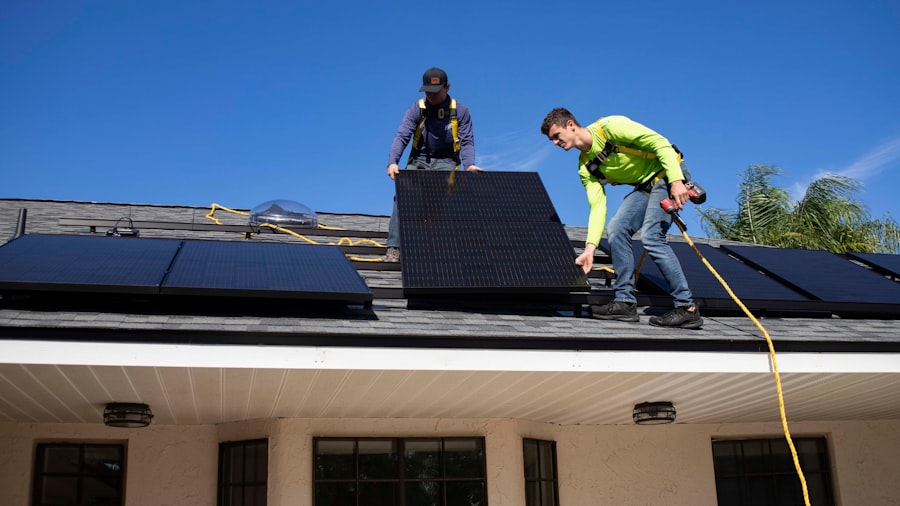
This is the part most people visualize when they think of solar, but it’s far from a single “service call.” It’s a complex, multi-day, multi-crew operation.
- Crew Specialization: Unlike a general technician, solar installations often involve different crews for different tasks. There might be a roofing crew, an electrical crew, and a panel installation crew. Each has their own schedules and expertise.
- Weather Dependency: Rain, high winds, extreme heat, or cold can significantly delay or halt roof work for safety reasons. You can’t just power through a thunderstorm with electrical equipment on a wet roof.
- Safety Protocols: Strict safety measures, including fall protection and electrical lockout/tagout procedures, add time and complexity to each stage of the installation.
- Inspection Scheduling: Once installed, an inspection from the local municipality is required before the system can be turned on. This is another external dependency with its own scheduling challenges.
- Utility Interconnection: After municipal approval, the local utility company needs to approve the interconnection of your system to the grid. This often involves a final meter swap or activation, and their schedules are completely independent.
The Human Element: More Stakeholders, More Scheduling Puzzles
A standard service call usually involves the customer and one technician. Solar projects bring in a much larger cast of characters, each with their own availability and needs.
Customer Availability and Expectations
While the physical installation often requires minimal homeowner presence after the initial setup, key milestones still do.
- Initial Meetings: As mentioned, the site survey and contract signing often require the homeowner to be present.
- Access to Property: Crews need unobstructed access to the property and sometimes to the interior for electrical work.
- Communication Throughout: Keeping the homeowner informed at every stage, especially during permit delays or weather postponements, is crucial for managing expectations. This ongoing communication is more intense than a single service call follow-up.
Crew Management and Resource Allocation
Managing multiple, specialized crews across various projects simultaneously is a logistical challenge.
- Skilled Labor Shortages: The demand for skilled solar installers often outstrips supply, making it harder to staff projects quickly.
- Optimizing Travel Routes: For companies with multiple installations happening concurrently, efficiently routing crews to minimize travel time and maximize productivity is essential.
- Tool and Vehicle Availability: Ensuring the right tools, vehicles, and safety equipment are available for each crew, each day, is a complex dance.
External Parties: The Unpredictable Variables
These are the entities that solar installers have little to no control over, yet their schedules directly impact project timelines.
- Permitting Offices: As discussed, their review times are highly variable.
- Utility Companies: Their scheduling for interconnection and meter swaps can be slow and rigid. They often have specific windows of availability.
- Inspectors: Municipal inspectors have their own routes and schedules, and you can’t always dictate when they’ll show up. Failed inspections, which happen, mean re-scheduling and re-inspecting.
- HOA Boards: Their meeting schedules and decision-making processes can add weeks or months to a project.
Project Management, Not Just a Calendar Entry
Scheduling a solar installation isn’t just about finding an open slot on a calendar. It’s about intricate project management, risk assessment, and continuous adjustment.
Dynamic Scheduling and Re-scheduling
Given the numerous variables, a “set it and forget it” approach to solar scheduling is a recipe for disaster.
- Contingency Planning: Experienced solar companies build in buffer times for unexpected delays, whether it’s weather, permit issues, or equipment shortages.
- Real-time Adjustments: A robust scheduling system needs to allow for quick adjustments based on new information, such as an unexpected permit approval or a crew member’s illness.
- Communication Loop: A constant feedback loop between sales, design, procurement, installation crews, and the customer is vital to keep everyone on the same page.
The Impact of Delays – Beyond a Simple Reschedule
A delay in a standard service call might mean a minor inconvenience. In solar, it can have cascading effects.
- Financial Impact: Delays can lead to increased labor costs, equipment storage fees, and missed opportunities for new projects.
- Customer Dissatisfaction: Extended timelines can lead to frustration and distrust, even if the delays are due to external factors.
- Supply Chain Disruptions: A delay on one project can impact the availability of materials for subsequent projects.
Software and Technology – Essential Tools
Modern solar companies rely heavily on specialized project management and scheduling software to navigate this complexity.
- CRM Integration: Customer Relationship Management systems help track customer interactions and project statuses.
- Project Management Platforms: Tools like Asana, Monday.com, or specialized solar PM software help manage tasks, dependencies, and timelines.
- Scheduling Software: Advanced scheduling tools can optimize crew assignments, route planning, and equipment allocation, taking into account skills, certifications, and availability.
In essence, scheduling a solar installation is about orchestrating a complex, multi-faceted project with numerous internal and external dependencies, all while managing customer expectations and mitigating risks. It’s a far cry from the straightforward task of slotting in a simple service call.
