

In the realm of security system installation, the complexity of coordinating various tasks, resources, and personnel can often lead to inefficiencies and delays. Project management tools have emerged as essential assets in streamlining this intricate process. These tools facilitate the organization of tasks, timelines, and responsibilities, allowing project managers to maintain a clear overview of the entire installation process.
For instance, platforms like Trello or Asana enable teams to create boards that outline each phase of the installation, from initial site assessment to final system testing. By visualizing the workflow, teams can identify bottlenecks and allocate resources more effectively, ensuring that every aspect of the project is executed on schedule. Moreover, project management tools enhance communication among team members and stakeholders.
With features such as real-time updates, comment sections, and file sharing, everyone involved in the installation can stay informed about progress and changes. This transparency reduces the likelihood of misunderstandings and miscommunications that can derail a project. For example, if a technician encounters an unexpected issue during installation, they can quickly update the project board, alerting the project manager and other team members to adjust their plans accordingly.
This level of coordination not only saves time but also fosters a collaborative environment where everyone is working towards a common goal.
Key Takeaways
- Project management tools streamline security system installation by improving organization and workflow.
- Accurate technician job documentation ensures efficiency and reduces errors during installation.
- Security system installers play a crucial role in maintaining seamless control from quoting to commissioning.
- AutoOps enhances communication and coordination, leading to smoother installation processes.
- Automated processes with AutoOps boost customer satisfaction by maximizing efficiency and minimizing mistakes.
Ensuring Accuracy and Efficiency with Technician Job Documentation
Accurate documentation is a cornerstone of successful security system installations. Technicians are often tasked with recording detailed information about the systems they install, including specifications, configurations, and any challenges encountered during the process. This documentation serves multiple purposes: it provides a reference for future maintenance, ensures compliance with industry standards, and enhances accountability among team members.
By utilizing standardized forms or digital documentation tools, technicians can streamline this process, ensuring that all necessary information is captured efficiently. In addition to improving accuracy, thorough job documentation can significantly enhance operational efficiency. When technicians document their work in real-time using mobile applications or tablets, they can reduce the time spent on administrative tasks after the installation is complete.
For instance, instead of returning to the office to fill out paperwork, technicians can input data directly into a centralized system while still on-site. This immediate documentation not only minimizes errors but also allows for quicker follow-up actions if issues arise post-installation. Furthermore, having a comprehensive record of each job enables companies to analyze performance metrics over time, identifying trends that can inform future training and operational improvements.
The Role of Security System Installers in Seamless Control from Quote to Commissioning
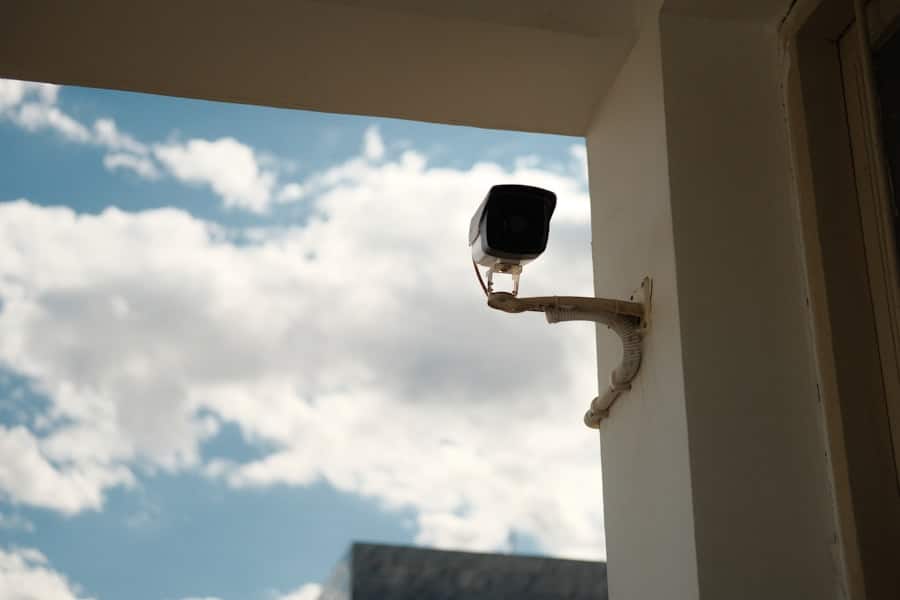
Security system installers play a pivotal role in ensuring that projects transition smoothly from initial quotes to final commissioning. Their expertise is crucial in interpreting client needs and translating them into actionable plans. During the quoting phase, installers assess site conditions and recommend appropriate equipment and configurations tailored to the specific requirements of each client.
This initial interaction sets the tone for the entire project; a well-informed quote can lead to a more efficient installation process and higher customer satisfaction. Once the project moves into the installation phase, installers are responsible for executing the plan with precision. Their hands-on experience allows them to anticipate potential challenges and devise solutions on the fly.
For example, if an installer discovers that a proposed camera location is obstructed by an architectural feature, they can quickly suggest an alternative placement that maintains optimal coverage without delaying the project timeline. This adaptability is essential for maintaining seamless control throughout the installation process. Furthermore, installers often serve as the primary point of contact for clients during this phase, providing updates and addressing concerns that may arise, thereby reinforcing trust and confidence in the service being provided.
Leveraging AutoOps for Smooth Communication and Coordination
AutoOps technology has revolutionized how security system installation teams communicate and coordinate their efforts. By automating routine tasks and facilitating real-time information sharing, AutoOps minimizes the friction that often accompanies complex projects. For instance, automated notifications can alert team members about upcoming deadlines or changes in project status, ensuring that everyone remains aligned without the need for constant manual updates.
This level of automation not only saves time but also reduces the risk of human error in communication. Additionally, AutoOps platforms often integrate with existing project management tools, creating a seamless flow of information across different systems. This integration allows technicians to access critical data—such as installation guidelines or client preferences—directly from their mobile devices while on-site.
For example, if a technician needs to verify a specific configuration for a security camera during installation, they can quickly pull up relevant documentation without having to sift through multiple files or wait for responses from colleagues. This immediate access to information enhances decision-making capabilities and fosters a more agile response to any challenges that may arise during the installation process.
Enhancing Customer Satisfaction with Automated Processes
Customer satisfaction is paramount in the security system installation industry, where clients expect not only high-quality products but also exceptional service throughout the installation process. Automated processes play a significant role in enhancing this experience by ensuring that clients receive timely updates and clear communication at every stage of their project. For instance, automated emails can be sent to clients confirming appointments or providing status updates on their installations.
This proactive approach keeps clients informed and reassured that their project is progressing as planned. Moreover, automation can streamline post-installation follow-ups, allowing companies to gather feedback efficiently. After a system has been commissioned, automated surveys can be sent to clients to assess their satisfaction levels and identify areas for improvement.
This feedback loop is invaluable; it not only helps companies refine their processes but also demonstrates to clients that their opinions are valued. By actively seeking input and making adjustments based on client feedback, security system installers can foster long-term relationships built on trust and reliability.
Maximizing Efficiency and Minimizing Errors with AutoOps
The integration of AutoOps into security system installations has proven to be a game-changer in maximizing efficiency while minimizing errors. By automating repetitive tasks such as scheduling appointments or generating reports, teams can focus their efforts on more complex aspects of the installation process that require human expertise. For example, instead of manually tracking inventory levels or equipment availability, AutoOps systems can automatically update these metrics in real-time based on usage patterns and project requirements.
Furthermore, AutoOps enhances accuracy by reducing the likelihood of human error in data entry and communication. When technicians input information into an automated system, it eliminates discrepancies that may arise from manual processes. For instance, if a technician records equipment specifications incorrectly on paper forms, it could lead to costly mistakes during installation.
However, with AutoOps systems that validate data inputs against predefined criteria, such errors can be caught before they impact the project timeline or budget. This level of precision not only improves operational efficiency but also contributes to higher quality installations that meet or exceed client expectations.
The Impact of Seamless Control on the Overall Installation Experience
Seamless control throughout the security system installation process significantly enhances the overall experience for both clients and installers alike. When every aspect of a project—from initial planning to final commissioning—is well-coordinated and efficiently managed, it leads to smoother operations and greater satisfaction for all parties involved. Clients benefit from reduced delays and clearer communication regarding their projects’ progress, while installers enjoy streamlined workflows that allow them to focus on delivering high-quality service.
Moreover, seamless control fosters an environment where issues can be addressed proactively rather than reactively. For instance, if an unexpected challenge arises during installation—such as equipment shortages or site access issues—teams equipped with effective communication tools can quickly collaborate to find solutions without derailing the entire project timeline. This proactive approach not only mitigates potential disruptions but also reinforces clients’ confidence in their chosen service provider’s ability to manage complexities effectively.
The Future of Security System Installation with AutoOps Integration
As technology continues to evolve at a rapid pace, the future of security system installation will undoubtedly be shaped by further advancements in AutoOps integration. The potential for enhanced automation will likely lead to even greater efficiencies in project management and execution. For instance, emerging technologies such as artificial intelligence (AI) could be leveraged to analyze historical data from past installations, enabling predictive analytics that inform decision-making for future projects.
Additionally, as more companies adopt AutoOps solutions, we may see a shift towards standardized practices across the industry. This standardization could facilitate smoother collaborations between different teams and organizations involved in security system installations. With shared protocols and automated workflows becoming commonplace, clients can expect increasingly consistent experiences regardless of which service provider they choose.
In conclusion, as security system installations continue to embrace AutoOps integration and advanced project management tools, both efficiency and customer satisfaction are poised for significant improvement. The future holds exciting possibilities for innovation in this field as companies strive to meet evolving client expectations while navigating an increasingly complex landscape of technology and service delivery.
