


I’ve been running my landscaping business for close to a decade now. It started as a side hustle, just a few lawns a week while I worked a corporate job. I loved getting my hands dirty, the satisfaction of transforming a messy yard into something I could be proud of. Eventually, the side hustle grew, and I found myself spending more time planning routes, managing crews, and dealing with paperwork than I did actually mowing. It reached a point where I had to make a decision. I took the plunge, quit the corporate world, and went all-in on my landscaping dream.
For a while, things chugged along. I hired a couple of guys, then a couple more. We invested in better equipment, expanded our services. But I started to feel the strain. It felt like I was drowning in details. Scheduling was a nightmare. I’d spend hours on the phone, trying to coordinate who was where, what materials were needed, and when. Client communication was often a hurried text message or a missed call that led to confusion. Invoicing was a manual, error-prone process. I knew I was leaving money on the table, not because of a lack of effort, but because of a lack of efficiency. The sheer volume of operational tasks was starting to erode the joy I once found in the work.
That’s when I started looking into what else was out there. I’d heard whispers about software that could streamline business operations, but I was skeptical. Would it really make a difference? Was it worth the investment? I’m a practical person. I need to see the tangible benefits before I commit. After a lot of research and a few demos, I decided to take the leap and invest in dispatch software. It wasn’t a magic bullet that instantly solved everything, but with commitment and a willingness to learn, it has fundamentally changed how I run my business. This is my experience, and how I believe dispatch software can benefit other landscaping business owners.
My landscaping business, like many others in the service industry, has undergone significant transformation over my tenure. What started as a relatively straightforward operation, focused on physical labor and direct client interaction, has evolved into a complex ecosystem of logistics, customer relationship management, and financial tracking. The days of simply jotting down appointments in a physical planner are long gone for any business hoping to scale and remain competitive. I found myself grappling with the challenges of managing multiple crews, diverse service offerings, and an ever-growing client base, all while striving for professional communication and timely service delivery.
The Traditional Approach and its Limitations
For the longest time, my business operated on a system of manual processes and educated guesswork. My office was essentially a desk cluttered with invoices, route maps, and handwritten notes. Scheduling was a constant puzzle, trying to fit in new requests while accounting for travel time, job duration, and crew availability.
Communication Breakdowns
Client communication often felt reactive. I’d be on the phone with one client, trying to answer their questions about an upcoming service, while another client’s email went unanswered, leading to frustration. Crew communication was equally challenging. A simple change in schedule or a special client request could lead to miscommunication, missed tasks, or the wrong materials being ordered. I recall one instance where a crew showed up at a property with the wrong type of mulch because the specific instruction hadn’t been clearly relayed from my notes to them.
Inefficient Scheduling and Routing
My initial scheduling involved drawing routes on a map, a process that was both time-consuming and often suboptimal. I was relying on my existing knowledge of the area rather than data-driven route optimization. This meant I was likely spending more time driving and less time working, increasing fuel costs and reducing the number of jobs I could complete per day.
The Paper Trail Problem
Managing invoices and payments was a manual endeavor. I’d print invoices, mail them out, and then have to manually track who had paid and who hadn’t. This process was not only tedious but also prone to errors, with sometimes payments being overlooked or discrepancies arising.
The Need for a Digital Transformation
As my business grew, the limitations of my manual system became glaringly apparent. The sheer volume of information I was trying to manage was overwhelming, and the potential for errors was significant. I realized that if I wanted to continue growing, if I wanted to operate more professionally and efficiently, I needed to embrace technology. The service industry, especially, is increasingly reliant on digital tools to connect with customers, manage operations, and maintain a competitive edge.
Embracing Technology for Scalability
The core reason for my digital transformation was scalability. I couldn’t physically be in multiple places at once, nor could I effectively manage an expanding team with outdated methods. Technology offered a way to replicate my organizational skills and knowledge across a larger operation. It provided a framework for consistent processes, allowing me to delegate tasks with a higher degree of confidence.
Enhancing Customer Experience
In today’s market, customer experience is paramount. Clients expect transparency, timely updates, and professional communication. A digital system allows for this, providing them with confirmation of bookings, reminders for services, and easy ways to communicate any changes or concerns. This proactive approach builds trust and loyalty.
Introducing Dispatch Software: More Than Just Scheduling
When I first started researching dispatch software, I admit I focused heavily on the scheduling aspect. I imagined a digital calendar that would magically organize my crews. What I discovered was that dispatch software is a comprehensive platform designed to manage a multitude of operational facets within a service-based business. It’s not simply a scheduling tool; it’s an integrated system that touches almost every part of my daily operations, from initial customer contact to final invoice payment.
Centralizing Your Operations
The most immediate benefit I experienced was the centralization of information. Instead of juggling spreadsheets, notebooks, and a chaotic inbox, all my critical data – client details, service history, job notes, employee schedules, and more – resided in one easily accessible location. This significantly reduced the time I spent searching for information and the anxiety of not knowing where a particular piece of data was.
Building a Unified Customer Database
Dispatch software allows me to create a comprehensive database of every client I serve. This includes not just their contact information and service address but also their preferences, past services, special instructions, and any ongoing issues. This detailed history enables me to personalize their experience and anticipate their needs, making them feel valued and understood.
Streamlining Job Management
From initial booking to job completion, dispatch software provides a clear workflow. I can create detailed job profiles, assign tasks to specific crews, and track their progress in real-time. This level of visibility allows me to proactively address any potential delays or issues before they impact the client.
Optimizing Crew Management and Dispatch
This is where the “dispatch” in dispatch software truly shines. It’s designed to make the process of assigning and managing your field teams as efficient as possible. Gone are the days of last-minute phone calls and confused technicians.
Dynamic Scheduling and Rescheduling
The ability to dynamically schedule and reschedule is a game-changer. If a job is completed early, I can immediately assign the crew to the next job. If there’s an unexpected delay, rescheduling is quick and easy, with the system automatically updating the crew’s schedule. This flexibility minimizes downtime and maximizes productivity.
Real-Time Job Tracking and Updates
Many dispatch software solutions offer GPS tracking for crews. This allows me to see where each crew is at any given moment. It’s not about micromanaging; it’s about having visibility. I can confirm when a crew has arrived at a job site, monitor their progress, and provide accurate arrival time estimates to clients. This transparency builds trust and manages expectations effectively.
Efficient Task Assignment and Communication
Assigning tasks is a breeze. I can describe the job, attach photos or relevant documents, and send it directly to the crew’s mobile device. They receive all the necessary information instantly, reducing the chance of misinterpretation. Two-way communication within the platform also ensures that any questions or updates from the crew are immediately visible to me.
Streamlining Your Workflow with Dispatch Software

Beyond the core scheduling and dispatching functionalities, dispatch software offers a wealth of features that can significantly streamline my overall business workflow. These are the elements that, over time, have saved me countless hours and reduced a substantial amount of mental overhead. It’s about creating a cohesive operational flow that minimizes manual intervention and maximizes output.
Enhancing Communication Channels
Effective communication is the lifeblood of any service business. Dispatch software provides a structured and integrated approach to managing all communication, both internal and external. This is where I’ve seen some of the most profound improvements in client satisfaction and team cohesion.
Automated Client Notifications
I can set up automated notifications for clients. This includes confirming their booking, reminding them of upcoming appointments, and even sending a notification when the crew is on their way. This proactive communication reduces the number of inbound calls I receive inquiring about schedules and keeps clients informed and reassured.
Direct In-App Messaging
For more immediate or specific communication with clients, some dispatch software platforms offer in-app messaging capabilities. This keeps a record of conversations within the client’s profile, ensuring that nothing gets lost in translation or buried in a long email thread. It provides a professional and documented line of communication.
Internal Team Communication
The integrated messaging features also benefit internal team communication. Crews can easily send updates, ask questions, or report issues directly through the platform. This avoids the need for constant phone calls or texts that can be disruptive during work hours and ensures that important information is logged and accessible.
Optimizing Invoicing and Payment Processes
For many small business owners, invoicing and getting paid on time can be a persistent challenge. Dispatch software offers solutions that can transform this often cumbersome process into a smoother, more efficient operation. Before I implemented this, I spent way too much time chasing payments.
Generating and Sending Invoices Electronically
Once a job is completed, I can generate an invoice directly from the system. I can pre-fill it with all the relevant details, including labor, materials, and any applicable taxes. These invoices can then be emailed to clients directly from the software, often with a clear call to action for payment.
Accepting Online Payments
Many dispatch software solutions integrate with payment gateways, allowing clients to pay their invoices online with a credit card or other electronic methods. This convenience for the client often leads to faster payment and reduces the administrative burden on my end. It also drastically cuts down on the time I would otherwise spend processing checks or arranging for manual payments.
Tracking Payment Status
The software automatically tracks the payment status of each invoice. I can see at a glance which invoices are outstanding, which are paid, and which are overdue. This provides a clear overview of my accounts receivable and allows me to follow up on late payments efficiently and systematically.
Improving Efficiency and Productivity
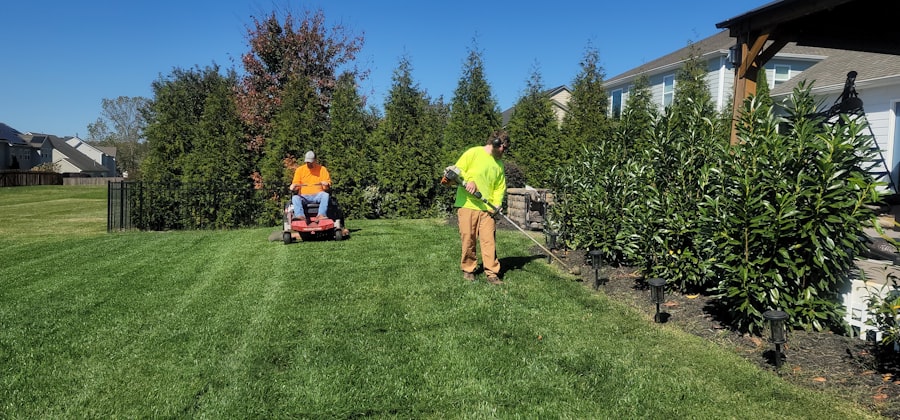
The cumulative effect of dispatch software is a significant boost in overall efficiency and productivity. By automating manual tasks, streamlining communication, and providing better logistical control, my team and I can accomplish more in less time, with fewer errors. This isn’t just about working faster; it’s about working smarter.
Reducing Administrative Overhead
The most direct impact on my bottom line comes from the reduction in administrative overhead. Hours that were once spent on manual data entry, scheduling, and invoicing are now freed up. This allows me to focus on higher-value activities such as business development, client relationship building, and strategic planning.
Automating Repetitive Tasks
Many of the repetitive tasks that consumed my time are now automated. This includes things like generating service reports, sending follow-up emails after job completion, and even basic data entry. Automation reduces the risk of human error and ensures consistency in our processes.
Minimizing Paperwork
The reliance on paper is drastically reduced. Job notes, invoices, and client communication are all handled digitally. This not only makes it easier to access and store information but also creates a more environmentally friendly operation. I no longer have stacks of paper cluttering my office.
Maximizing Crew Utilization
Effective crew utilization is key to profitability in a service business. Dispatch software provides the tools to ensure that my teams are deployed efficiently and are always working on the most appropriate jobs, minimizing idle time and maximizing billable hours.
Optimized Dispatching
With real-time visibility of crew locations and job status, I can dispatch crews to jobs more strategically. This means assigning the closest available crew, considering their skill sets, and ensuring they have the necessary equipment and materials. This reduces travel time and gets crews on-site faster.
Minimizing Downtime Between Jobs
The ability to quickly reschedule and reroute crews helps minimize downtime between jobs. If a job finishes early, the crew can be immediately assigned to the next task without waiting for instructions. This keeps them productive and increases the number of jobs they can complete in a day.
Making Informed Business Decisions
| Feature | Description |
|---|---|
| Job Scheduling | Ability to schedule landscaping jobs for dispatch |
| Route Optimization | Optimizing the most efficient routes for landscaping crews |
| Mobile Access | Access to the software on mobile devices for on-the-go dispatching |
| Job Tracking | Tracking the status and progress of landscaping jobs |
| Customer Management | Managing customer information and job history |
One of the most unexpected but profoundly valuable benefits of implementing dispatch software has been the insight it provides for making informed business decisions. I no longer have to rely on gut feelings or incomplete data. The system generates reports and provides analytics that offer a clear picture of my business’s performance.
Data-Driven Insights and Reporting
The reporting capabilities of dispatch software are invaluable. I can generate reports on a variety of metrics, giving me a clear understanding of where my business stands. This data allows me to identify trends, strengths, and weaknesses, enabling me to make strategic adjustments.
Performance Metrics and Key Performance Indicators (KPIs)
I can track key performance indicators such as revenue per job, average job duration, crew efficiency, customer acquisition cost, and customer retention rates. This detailed understanding of my business’s performance allows me to set achievable goals and measure my progress towards them.
Identifying Profitable Services and Clients
By analyzing the data, I can identify which of my services are the most profitable and which clients represent the highest value. This information allows me to focus my marketing efforts and sales initiatives on the most lucrative areas of my business, ensuring I’m allocating resources effectively.
Forecasting and Business Planning
With accurate historical data and ongoing performance tracking, I can engage in more effective forecasting and business planning. This moves me from reactive problem-solving to proactive growth strategies.
Predicting Future Workloads
The system’s ability to track job history and booking patterns allows me to better predict future workloads. This helps me anticipate staffing needs, equipment requirements, and material orders, preventing bottlenecks and ensuring I can meet demand.
Strategic Resource Allocation
Understanding my business’s financial performance and operational efficiency allows me to make more informed decisions about resource allocation. I can determine where to invest capital for the greatest return, whether it’s in new equipment, additional staff, or marketing campaigns. This data-driven approach makes my business more resilient and adaptable to market changes. It has honestly been one of the most impactful investments I’ve made in my landscaping business.
