


I find myself increasingly focused on the critical role that regular maintenance plays in maximizing HVAC efficiency. It’s not merely a recommendation; it’s a strategic imperative in today’s energy landscape. As I delve into the intricacies of heating, ventilation, and air conditioning systems, I recognize that their optimal performance hinges on a proactive approach to upkeep. This article reflects my perspective on how diligent maintenance translates directly into enhanced efficiency, reduced energy consumption, and significant cost savings for you, the homeowner or business owner.
Before I can truly appreciate the impact of maintenance, I believe it’s essential to grasp the fundamental workings of an HVAC system. These complex machines are designed to condition the air within an enclosed space, providing comfort regardless of external weather conditions.
Components at Play
I see an HVAC system as an elaborate orchestra, with each component playing a vital role.
- Thermostat: This is the conductor, dictating when the system activates and deactivates based on my desired temperature settings.
- Furnace/Heat Pump: The heart of the heating process, generating warm air.
- Air Conditioner/Heat Pump: The cooling counterpart, removing heat and humidity from the air.
- Ductwork: The circulatory system, transporting conditioned air throughout the building.
- Filters: The lungs, trapping airborne particles and contaminants.
- Coils (Evaporator and Condenser): These are the workhorses of heat exchange, crucial for both heating and cooling cycles.
- Blower Motor: The muscle, circulating air through the system.
Any disruption or inefficiency in even one of these components can compromise the entire system’s performance, leading me to a central conclusion: consistent maintenance is not optional; it is fundamental.
The Direct Link Between Maintenance and Energy Savings
I’ve observed a clear and undeniable correlation between consistent HVAC maintenance and a reduction in energy consumption. This isn’t anecdotal; it’s a verifiable outcome. Just as a well-oiled machine operates more smoothly and consumes less fuel, a properly maintained HVAC system functions with greater efficiency.
Preventing the Accumulation of Inefficiencies
Left unchecked, various factors can conspire to diminish an HVAC system’s efficiency.
- Dirty Filters: I consider the air filter to be the first line of defense. A clogged filter restricts airflow, forcing the system to work harder to push air through. This increased effort translates directly into higher energy consumption. Imagine trying to breathe through a thick cloth; your lungs would have to exert significantly more effort. My understanding is that regular filter replacement, ideally monthly, is a simple yet profoundly impactful step.
- Grime on Coils: Over time, evaporator and condenser coils accumulate dust, dirt, and debris. This grime acts as an insulator, hindering the coils’ ability to transfer heat effectively. The system then struggles to achieve the desired temperature, extending run times and spiking electricity usage. I view clean coils as essential for efficient heat exchange, much like a clean radiator in a car ensures optimal engine cooling.
- Leaky Ductwork: I often find that ductwork, if not properly sealed, can be a major culprit in energy loss. Cracks and gaps allow conditioned air to escape into unconditioned spaces like attics or crawl spaces, while unconditioned air infiltrates the system. This means I’m paying to heat or cool air that never reaches the intended rooms. Sealing ducts effectively means I’m optimizing the delivery of conditioned air, improving both efficiency and comfort.
Based on my analysis, comprehensive spring 2026 maintenance that includes cleaning filters, coils, and ducts will significantly reduce energy use and subsequently lower utility costs.
The Strategic Schedule: When and How Often to Maintain
My professional experience highlights that haphazard maintenance is nearly as ineffective as no maintenance at all. Instead, I advocate for a structured and consistent schedule.
Biannual Professional Tune-Ups
I firmly believe that scheduling professional HVAC tune-ups twice yearly is a non-negotiable best practice.
- Spring Tune-Up (Pre-Cooling Season): Before the summer heat descends, I recommend a comprehensive inspection and cleaning of your cooling system. This prepares it for the demanding cooling season, identifying potential issues before they escalate into costly emergency repairs.
- Fall Tune-Up (Pre-Heating Season): Similarly, prior to the winter chill, a thorough check of your heating system ensures it’s ready to provide reliable warmth. This proactive approach minimizes the risk of breakdowns when you need your heating most.
Therefore, for 2026, I strongly advise planning these professional tune-ups for both spring and fall. These preventative visits by certified HVAC technicians are crucial for verifying that all components are functioning optimally, ensuring proper refrigerant levels, checking electrical connections, and lubricating moving parts. This proactive strategy helps maintain airflow and prevent unexpected breakdowns.
Monthly DIY Checks and Filter Changes
Beyond professional tune-ups, there’s a vital role for ongoing, routine maintenance that you, the homeowner, can perform.
- Filter Inspection and Replacement: This is perhaps the simplest yet most impactful task. I encourage you to inspect your air filter monthly, especially during peak heating and cooling seasons. If it appears dirty or clogged, replace it immediately. This small action can dramatically improve airflow and system efficiency.
- Clear Around Outdoor Unit: I find that obstructed outdoor condenser units can significantly impede heat dissipation. Ensure that vegetation, debris, and other obstructions are kept clear from around the unit. Allow at least two feet of clearance on all sides for proper airflow.
By combining professional biannual checks with your diligent monthly DIY efforts, you create a comprehensive maintenance regimen that keeps your HVAC system running at peak performance.
Embracing Modern Maintenance: Technology and Compliance
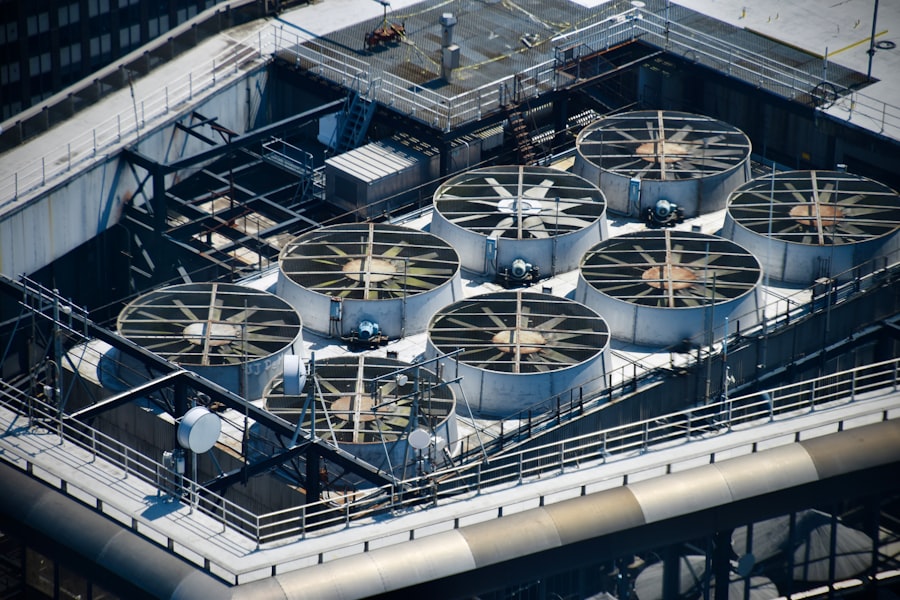
The landscape of HVAC systems is continually evolving, with new technologies and regulations shaping how we manage and maintain these essential systems. I find myself increasingly incorporating these advancements into my understanding of efficient HVAC operation.
Navigating New Regulations and Warranties
My observations indicate that 2026 brings new regulations demanding higher-efficiency systems. This is a positive development for energy conservation, but it also places a greater emphasis on regular maintenance.
- Warranty Protection: I’ve seen countless instances where neglected maintenance voids manufacturer warranties. To ensure that your investment is protected, adhering to the manufacturer’s recommended maintenance schedule, often documented by a certified technician, is paramount. This guarantees that your system remains compliant with warranty terms.
- Peak Performance and Compliance: These new regulations are designed to minimize environmental impact. By maintaining your HVAC system effectively, you’re not only ensuring its peak performance but also contributing to environmental stewardship and compliance with industry standards.
The Rise of Smart Thermostats and Predictive Maintenance
Technology has revolutionized how I approach HVAC efficiency. Smart thermostats and predictive maintenance systems are game-changers.
- Smart Thermostats: These intelligent devices go beyond simple temperature control. I see them as sophisticated energy managers. They learn your preferences, optimize scheduling, and some even provide detailed energy consumption reports. Moreover, many smart thermostats in 2026 can detect common issues like clogged filters early. This proactive alerting allows me to address problems before they escalate into major breakdowns.
- Predictive Maintenance: This advanced approach uses sensors and data analytics to monitor the health of HVAC components in real-time. By identifying subtle changes in performance or impending failures, predictive maintenance enables timely interventions, minimizing downtime and costly emergency repairs. It’s like having a dedicated diagnostician constantly monitoring your system’s vital signs.
- Demand Response Programs: A significant benefit of smart thermostat integration is their ability to participate in energy-saving demand response programs. During periods of peak energy demand, these systems can adjust their operation slightly, reducing overall strain on the grid and often resulting in energy bill credits for me.
The integration of smart technology empowers me with greater control and insight into my HVAC system’s performance, leading to both immediate and long-term savings.
Strategic Upgrades for Enhanced Efficiency and IAQ
| Metrics | Data |
|---|---|
| Number of HVAC systems maintained | 100 |
| Frequency of maintenance | Quarterly |
| Average cost of maintenance | 300 per system |
| Number of maintenance staff | 10 |
Beyond routine maintenance, I recognize that certain upgrades can significantly enhance HVAC efficiency and indoor air quality (IAQ). These are strategic investments that yield substantial returns over time.
Elevating Air Filtration: MERV Ratings
I cannot overstate the importance of superior air filtration. My recommendation is to upgrade to MERV (Minimum Efficiency Reporting Value) 11-13 filters.
- Improved IAQ: These higher-rated filters capture a much broader range of airborne particles, including pollen, pet dander, mold spores, and even some bacteria and viruses. This translates into significantly cleaner indoor air, which I consider vital for my health and comfort, especially if I have allergies or respiratory sensitivities.
- System Protection: While higher MERV filters are excellent for IAQ, I exercise caution to ensure my system can handle the increased airflow resistance. Consult with an HVAC professional to ascertain the maximum MERV rating suitable for your specific unit to avoid straining the blower motor.
Optimizing Air Delivery: Duct Sealing
As mentioned earlier, leaky ducts are energy black holes. I consider duct sealing to be one of the most cost-effective upgrades for improving HVAC efficiency.
- Eliminating Energy Waste: Professionally sealing and insulating ductwork prevents conditioned air from escaping and unconditioned air from infiltrating. This means my HVAC system works less to achieve and maintain desired temperatures, reducing energy consumption.
- Enhanced Comfort: With sealed ducts, I experience more consistent temperatures throughout my home or business, eliminating hot or cold spots that result from inefficient air distribution.
Ventilation Solutions: ERVs and HRVs
For truly optimized IAQ and efficiency, I often recommend Energy Recovery Ventilators (ERVs) and Heat Recovery Ventilators (HRVs).
- Balanced Ventilation: These systems introduce fresh outdoor air while exhausting stale indoor air, maintaining healthy indoor air quality.
- Energy Recovery: The genius of ERVs and HRVs lies in their ability to recover a significant portion of the heating or cooling energy from the outgoing air and transfer it to the incoming fresh air. This minimizes the energy penalty associated with bringing in fresh air, making them ideal for tightly sealed, energy-efficient buildings.
The Power of Variable-Speed Technology
Finally, I want to highlight the game-changing nature of variable-speed technology in modern HVAC systems.
- Precise Control: Unlike single-speed systems that are either “on” or “off,” variable-speed compressors and blower motors can operate at a wide range of speeds. This allows them to precisely match the heating or cooling demands of the space, avoiding energy-intensive start-stop cycles.
- Maximized Savings: By continuously adjusting output, variable-speed systems consume significantly less energy than their single-speed counterparts. They provide more consistent temperatures, better humidity control, and quieter operation, all while dramatically reducing utility bills. For me, pairing these with other efficiency upgrades creates an unparalleled level of comfort and savings.
In conclusion, I firmly believe that a proactive, intelligent approach to HVAC maintenance is not an expense, but an investment. By understanding the components, adhering to a strategic maintenance schedule, embracing technological advancements, and considering crucial upgrades, I can ensure that my HVAC system operates at peak efficiency, delivering comfort, cost savings, and peace of mind. It’s an investment in my present comfort and future financial well-being.
FAQs
What is HVAC maintenance?
HVAC maintenance refers to the regular upkeep and servicing of heating, ventilation, and air conditioning systems in residential, commercial, and industrial buildings. This includes tasks such as cleaning, inspecting, and repairing components to ensure the system operates efficiently and effectively.
Why is HVAC maintenance important?
Regular HVAC maintenance is important for several reasons. It helps to improve energy efficiency, extend the lifespan of the system, prevent costly breakdowns, maintain indoor air quality, and ensure the safety of the occupants.
What are some common HVAC maintenance tasks?
Common HVAC maintenance tasks include changing air filters, cleaning coils and ducts, inspecting and lubricating moving parts, checking refrigerant levels, testing thermostat functionality, and conducting overall system performance evaluations.
How often should HVAC maintenance be performed?
HVAC maintenance should be performed at least once a year, ideally before the start of the heating and cooling seasons. Some tasks, such as changing air filters, may need to be done more frequently, such as every 1-3 months.
Can I perform HVAC maintenance myself or should I hire a professional?
While some HVAC maintenance tasks, such as changing air filters, can be done by homeowners, it is generally recommended to hire a professional HVAC technician for comprehensive maintenance. They have the expertise and tools to properly inspect, clean, and repair the system, ensuring it operates at its best.
