

In today’s globalized economy, the significance of multilingual technicians within diverse teams cannot be overstated. As businesses expand their reach across borders, the ability to communicate effectively in multiple languages becomes a critical asset. Multilingual technicians bring not only linguistic skills but also cultural insights that enhance collaboration and foster innovation.
Their presence can bridge gaps between team members from different backgrounds, ensuring that ideas are shared and understood without the hindrance of language barriers. This cultural fluency allows for a more cohesive work environment where diverse perspectives are valued and integrated into problem-solving processes. Moreover, multilingual technicians can significantly improve customer relations.
In industries such as technology, healthcare, and customer service, the ability to communicate in a client’s native language can lead to higher satisfaction rates and better service outcomes. For instance, a technician who speaks Spanish can effectively address the concerns of a Spanish-speaking client, leading to quicker resolutions and a more personalized experience. This not only enhances the company’s reputation but also builds trust and loyalty among clients from various linguistic backgrounds.
As businesses strive to create inclusive environments, the role of multilingual technicians becomes increasingly vital in fostering a culture of understanding and respect.
Key Takeaways
- Multilingual technicians enhance team diversity and improve problem-solving capabilities.
- Mobile app translation helps overcome language barriers, enabling smoother communication.
- Using mobile app translation boosts team collaboration and reduces misunderstandings.
- Mobile app translation increases efficiency by streamlining workflows in multilingual environments.
- Integrating mobile app translation with Field Service Management systems supports effective communication and operational success.
Overcoming Language Barriers with Mobile App Translation
Mobile app translation has emerged as a powerful tool for overcoming language barriers in diverse teams. With the proliferation of smartphones and mobile technology, teams can leverage translation apps to facilitate real-time communication, regardless of the languages spoken by team members. These applications utilize advanced algorithms and machine learning to provide instant translations, enabling technicians to share information seamlessly.
For example, a technician in Germany can communicate with a colleague in Brazil through a translation app, ensuring that technical specifications or project updates are accurately conveyed without delay. The effectiveness of mobile app translation lies in its ability to adapt to various contexts and terminologies specific to different industries. Many translation apps now offer features that allow users to input industry-specific jargon, ensuring that translations are not only accurate but also relevant.
This is particularly important in fields such as engineering or medicine, where precise language is crucial for safety and compliance. By utilizing mobile app translation, teams can minimize misunderstandings that may arise from miscommunication, ultimately leading to more efficient workflows and enhanced collaboration.
The Benefits of Using Mobile App Translation for Team Communication
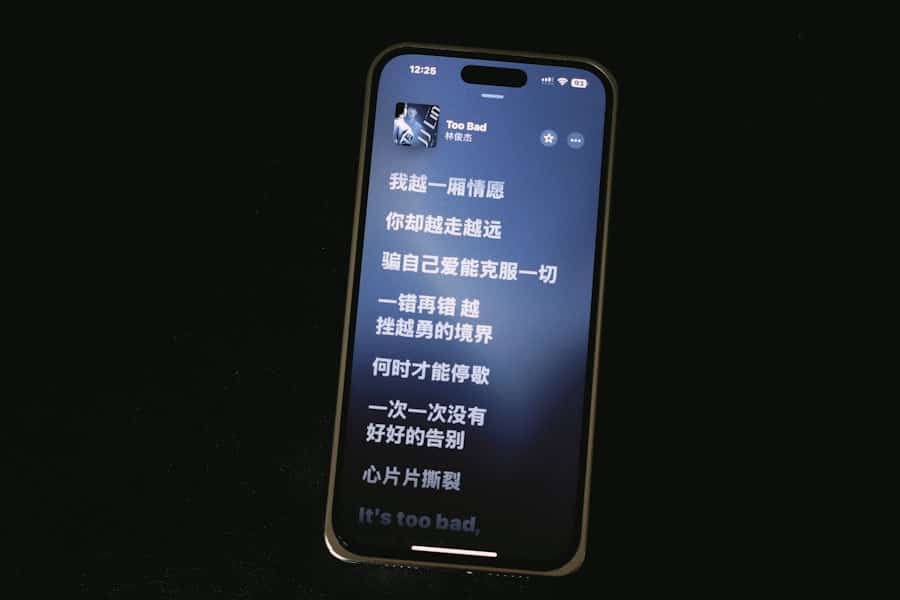
The benefits of using mobile app translation for team communication extend beyond mere convenience; they encompass improved productivity, enhanced collaboration, and increased employee morale. When team members can communicate effortlessly across language barriers, they are more likely to engage in discussions, share ideas, and contribute to projects actively. This open line of communication fosters a sense of belonging among team members, as everyone feels empowered to participate regardless of their linguistic background.
Consequently, this inclusivity can lead to innovative solutions that might not have emerged in a less collaborative environment. Additionally, mobile app translation can significantly reduce the time spent on clarifying misunderstandings or re-explaining concepts due to language discrepancies. In fast-paced work environments where time is of the essence, having access to instant translations allows teams to maintain momentum and focus on their objectives.
For instance, during project meetings or brainstorming sessions, team members can use translation apps to quickly convey their thoughts without waiting for a translator or struggling with language limitations. This immediacy not only enhances productivity but also encourages a dynamic exchange of ideas that can drive projects forward.
How Mobile App Translation Can Improve Efficiency in a Multilingual Work Environment
Efficiency in a multilingual work environment hinges on clear communication and swift information exchange. Mobile app translation plays a pivotal role in achieving this efficiency by providing tools that facilitate real-time dialogue among team members who speak different languages. For example, consider a multinational company with teams spread across various countries.
By integrating mobile app translation into their daily operations, employees can communicate project updates, share feedback, and collaborate on tasks without the delays typically associated with language barriers. Furthermore, mobile app translation can streamline training processes for new employees who may not be fluent in the primary language used within the organization. Training materials can be translated into multiple languages using these apps, allowing new hires to grasp essential concepts quickly and effectively.
This approach not only accelerates the onboarding process but also ensures that all employees receive consistent information regardless of their language proficiency. As a result, organizations can cultivate a more knowledgeable workforce that is better equipped to meet the demands of an increasingly diverse clientele.
Tips for Implementing Mobile App Translation for Effective Team Communication
Implementing mobile app translation effectively requires careful planning and consideration of various factors that influence its success. First and foremost, organizations should assess the specific languages spoken by their team members and select translation apps that support those languages comprehensively. It is essential to choose applications that offer high-quality translations and user-friendly interfaces to encourage widespread adoption among employees.
Additionally, providing training sessions on how to use these apps can help alleviate any apprehensions team members may have about utilizing new technology. Another critical aspect is establishing clear guidelines for when and how to use mobile app translation within the team. While these tools can enhance communication, it is important to set expectations regarding their use in formal settings versus informal conversations.
For instance, while casual chats may benefit from quick translations, more formal communications such as reports or presentations may require human oversight to ensure accuracy and professionalism. By creating a balanced approach that leverages both technology and human expertise, organizations can maximize the effectiveness of mobile app translation in fostering clear communication.
The Role of Field Service Management (FSM) in Facilitating Multilingual Communication
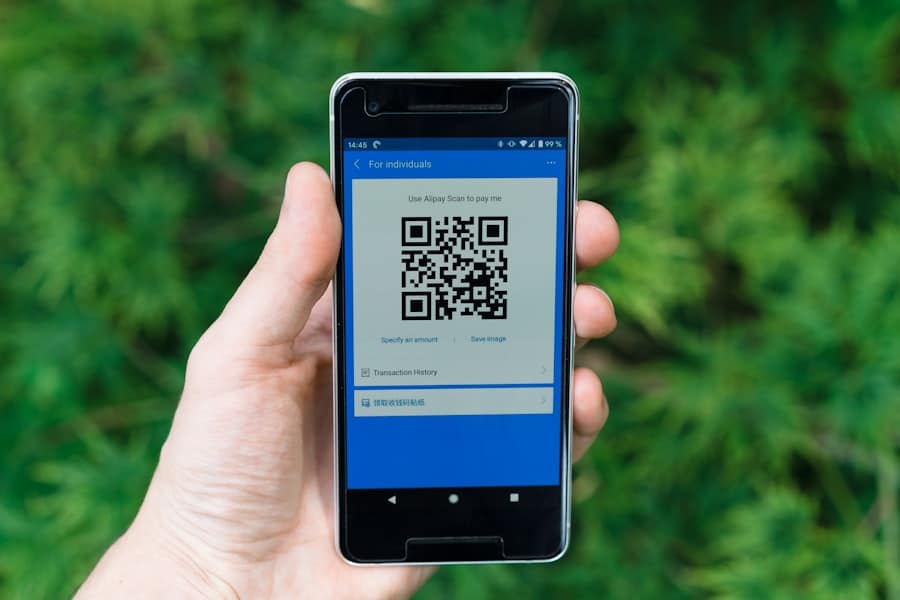
Field Service Management (FSM) plays an integral role in facilitating multilingual communication within organizations that operate in diverse markets. FSM systems are designed to optimize service delivery by coordinating field technicians’ activities, scheduling appointments, and managing customer interactions. In this context, multilingual communication becomes essential for ensuring that technicians can effectively engage with clients who speak different languages.
FSM solutions equipped with mobile app translation capabilities enable technicians to access real-time translations while on-site, allowing them to address customer inquiries and concerns promptly. Moreover, FSM systems can incorporate customer profiles that include language preferences, enabling technicians to prepare for interactions with clients in their preferred language. This proactive approach not only enhances customer satisfaction but also empowers technicians by equipping them with the tools they need to succeed in diverse environments.
For example, if a technician knows they will be visiting a Spanish-speaking client, they can utilize mobile app translation to familiarize themselves with relevant terminology beforehand. This preparation fosters confidence and ensures that communication flows smoothly during service calls.
Case Studies: Successful Implementation of Mobile App Translation in Diverse Teams
Several organizations have successfully implemented mobile app translation to enhance communication within their diverse teams, yielding impressive results. One notable example is a global technology firm that operates across multiple countries with employees speaking various languages. By integrating a mobile app translation tool into their daily operations, the company reported a significant reduction in miscommunication incidents during project collaborations.
Team members were able to share updates and feedback in real-time without waiting for translations from colleagues or external services. Another case study involves a healthcare provider serving a multicultural community where patients speak numerous languages. The organization adopted mobile app translation for its staff to facilitate communication with patients during consultations and treatment discussions.
As a result, healthcare professionals were able to provide more personalized care by addressing patients’ concerns directly in their native languages. This initiative not only improved patient satisfaction but also enhanced health outcomes by ensuring that patients fully understood their treatment plans.
The Future of Multilingual Communication: Innovations in Mobile App Translation Technology
The future of multilingual communication is poised for transformation as innovations in mobile app translation technology continue to emerge. Advances in artificial intelligence (AI) and natural language processing (NLP) are driving improvements in translation accuracy and contextual understanding. These technologies enable apps to learn from user interactions over time, refining their translations based on specific industry jargon or colloquial expressions unique to certain regions.
Additionally, the integration of augmented reality (AR) with mobile app translation holds exciting potential for enhancing communication in real-world scenarios. Imagine technicians using AR glasses equipped with translation capabilities that overlay translated text onto physical objects or documents during service calls. This immersive experience could revolutionize how multilingual communication occurs in technical fields, allowing for instantaneous comprehension without interrupting workflow.
As businesses continue to embrace diversity and globalization, the demand for effective multilingual communication will only grow stronger. Mobile app translation technology will play an essential role in meeting this demand by providing tools that empower teams to collaborate seamlessly across linguistic boundaries. With ongoing advancements on the horizon, organizations must remain adaptable and open to leveraging these innovations to foster inclusive environments where every voice is heard and valued.
