
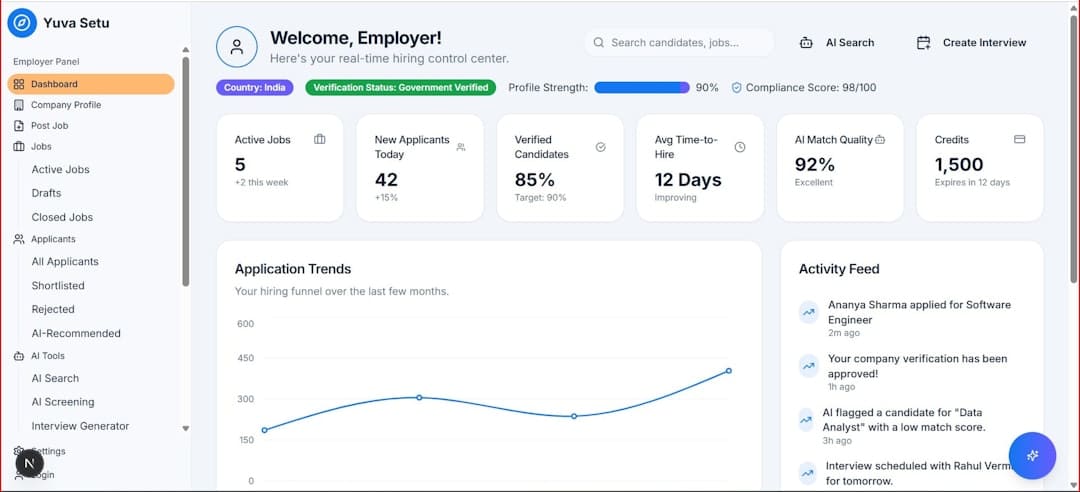

A business automation platform is a software solution designed to streamline and automate various operational processes within an organization. It aggregates disparate tools and functionalities into a unified system, aiming to improve efficiency, reduce manual error, and free up human resources for more strategic tasks. This article explores the functionalities, benefits, implementation considerations, and future trends associated with employing such platforms.
At its core, a business automation platform acts as a central nervous system for your operations. It connects different departments and functions, orchestrating workflows that were previously manual, fragmented, or dependent on human intervention at every step. This integration allows for a seamless flow of information and tasks across various business units.
Core Components and Functionalities
Typical platforms integrate several key components to achieve comprehensive automation:
- Workflow Automation Engines: These engines define and execute sequential or conditional tasks. They establish rules and triggers, ensuring that processes unfold according to predefined logic. For example, once a customer signs up, the engine can automatically create a new record in your CRM, send a welcome email, and assign a sales representative.
- Integration Capabilities (APIs and Connectors): A crucial aspect is the ability to connect with existing software applications. Through Application Programming Interfaces (APIs) and pre-built connectors, the platform can exchange data with systems like CRM (Customer Relationship Management), ERP (Enterprise Resource Planning), accounting software, marketing automation tools, and productivity suites. This interoperability prevents data silos and ensures a holistic view of operations.
- Data Management and Analytics: Platforms offer tools for collecting, storing, processing, and analyzing operational data. This data can be used to track performance metrics, identify bottlenecks, and inform decision-making. Dashboards and reports provide visual representations of key indicators, enabling proactive management.
- User Interface and Experience (UI/UX): An intuitive interface is essential for user adoption. Modern platforms aim for user-friendly designs that allow non-technical business users to configure and manage workflows without extensive IT support. Drag-and-drop interfaces and visual workflow builders are common features.
- Security and Compliance Features: Given the sensitive nature of business data, robust security measures are paramount. Platforms typically include features such as access controls, data encryption, audit trails, and compliance reporting to meet industry standards and regulatory requirements.
Categorization of Platforms
While the term “business automation platform” is broad, platforms can often be categorized based on their primary focus or the breadth of their functionalities:
- Robotic Process Automation (RPA) Platforms: These platforms focus on automating repetitive, rule-based tasks by mimicking human interactions with digital systems. They are particularly effective for tasks involving data entry, report generation, and system navigation. Imagine a digital assistant performing rote tasks with unwavering accuracy.
- Business Process Management (BPM) Suites: BPM suites provide a comprehensive approach to managing and optimizing end-to-end business processes. They encompass process modeling, execution, monitoring, and optimization tools, offering a more strategic view of process improvement.
- Workflow Automation Tools: These tools are often a subset of BPM or standalone solutions focusing on automating specific sequences of tasks within a department or across a few systems. They are generally simpler to implement than full BPM suites.
- Low-Code/No-Code Platforms: These platforms empower users with limited coding experience to build applications and automate workflows using visual development environments. They accelerate development cycles and reduce reliance on specialized IT resources.
Benefits of Implementation
Adopting a business automation platform can yield significant advantages for organizations across various sectors. These benefits often cascade, creating a virtuous cycle of improvement.
Enhanced Operational Efficiency
One of the most immediate benefits is the substantial increase in operational efficiency.
- Reduced Manual Tasks: The automation of repetitive, time-consuming tasks frees up employees to focus on activities that require human judgment, creativity, and strategic thinking. This is like moving from a manual assembly line to an automated one, where human hands are reserved for quality control and innovation.
- Faster Process Cycles: Automated workflows often execute tasks significantly faster than manual processes. This can lead to quicker order fulfillment, faster customer service responses, and accelerated data processing. Time is often a critical factor in competitive markets.
- Elimination of Bottlenecks: By providing visibility into processes and automating handoffs, platforms can identify and eliminate bottlenecks that slow down operations. This contributes to a smoother and more predictable operational flow.
Improved Accuracy and Consistency
Human error is an inevitable factor in manual processes. Automation mitigates this risk significantly.
- Minimizing Human Error: Automated systems follow predefined rules consistently, reducing the likelihood of mistakes in data entry, calculations, and decision-making. This enhances the reliability of operational output.
- Standardized Procedures: Automation enforces adherence to standardized operating procedures, ensuring that tasks are performed uniformly across the organization. This leads to consistent quality and predictable outcomes.
- Data Integrity: By automating data transfers and validations, platforms contribute to higher data integrity, preventing discrepancies and ensuring that decisions are based on accurate information.
Cost Reduction
While there’s an initial investment, business automation platforms can generate substantial cost savings over time.
- Lower Labor Costs: By automating tasks, organizations may reduce the need for extensive manual labor, leading to potential savings in salaries and benefits. This does not necessarily imply job displacement but rather a reallocation of human resources to higher-value activities.
- Reduced Operational Overheads: Streamlined processes and increased efficiency can lead to lower operational overheads, such as reduced paper consumption, printing costs, and administrative expenses.
- Improved Resource Utilization: By optimizing workflows, platforms ensure that resources (human, financial, and technological) are utilized more effectively, preventing waste and maximizing their impact.
Enhanced Customer and Employee Experience
The benefits extend beyond internal operational improvements, impacting external stakeholders as well.
- Faster Service Delivery: Automated customer service processes, such as automated responses to common queries or faster order processing, can lead to increased customer satisfaction.
- Personalized Interactions: By leveraging customer data efficiently, automation can enable more personalized marketing campaigns and service interactions, strengthening customer relationships.
- Employee Satisfaction and Engagement: By automating mundane tasks, employees can focus on more engaging and challenging work, leading to higher job satisfaction and reduced burnout. Access to better tools also empowers employees.
Key Considerations for Implementation

Implementing a business automation platform is a strategic initiative that requires careful planning and execution. It’s not merely installing software; it’s transforming how your business operates.
Defining Objectives and Scope
Before selecting any platform, it is crucial to establish clear objectives.
- Identify Pain Points: Begin by thoroughly analyzing your current processes to identify specific pain points, bottlenecks, and areas where manual effort is excessive. Where are you bleeding time or resources?
- Set Measurable Goals: Define measurable goals for the automation initiative. These might include reducing process cycle time by a certain percentage, improving data accuracy rates, or decreasing operational costs.
- Prioritize Processes for Automation: Not all processes are equally suitable for automation. Prioritize those that are repetitive, rule-based, high-volume, and have a significant impact on business outcomes. Starting small and scaling up is often a pragmatic approach.
Platform Selection and Vendor Evaluation
Choosing the right platform is critical for long-term success.
- Feature Set Alignment: Evaluate platforms based on how well their features align with your identified needs and objectives. Consider aspects like integration capabilities, scalability, and ease of use.
- Scalability and Flexibility: The chosen platform should be able to scale with your business growth and adapt to evolving business requirements. Avoid solutions that might become obsolete as your needs change.
- Vendor Reputation and Support: Research vendor reputation, customer support, training resources, and their commitment to ongoing development. A strong partnership with the vendor can be invaluable.
- Total Cost of Ownership (TCO): Beyond the initial licensing fees, consider all costs associated with implementation, customization, training, maintenance, and potential future upgrades.
Change Management and Training
Technology alone does not guarantee success. Human factors are equally important.
- Communication Strategy: Develop a clear communication strategy to inform employees about the automation initiative, its benefits, and how it will impact their roles. Address concerns and manage expectations proactively.
- Stakeholder Engagement: Involve key stakeholders from different departments throughout the process to foster ownership and gather valuable insights. Their buy-in is crucial.
- Comprehensive Training: Provide comprehensive training programs for employees who will interact with the new platform. Ensure they understand the new workflows and how to utilize the tools effectively. Resistance often stems from a lack of understanding or perceived threat.
Data Migration and Integration
These technical aspects are foundational to a successful implementation.
- Data Cleansing and Preparation: Before migrating data, ensure it is clean, accurate, and consistently formatted. “Garbage in, garbage out” applies emphatically to automated systems.
- Integration Strategy: Plan how the new platform will integrate with your existing systems. This may involve custom API development, using pre-built connectors, or leveraging middleware solutions.
- Testing and Validation: Thoroughly test all integrations and automated workflows to ensure data flows correctly and processes execute as intended. This phase is critical to identify and resolve issues before full deployment.
Future Trends in Business Automation

The landscape of business automation is continuously evolving, driven by advancements in artificial intelligence and other emerging technologies.
Artificial Intelligence (AI) and Machine Learning (ML) Integration
The convergence of AI/ML with business automation is transforming platforms from simply executing rules to understanding and adapting.
- Intelligent Process Automation (IPA): IPA combines RPA with AI capabilities like machine learning, natural language processing (NLP), and computer vision. This allows systems to handle unstructured data, learn from past interactions, and make more complex decisions. Imagine a system that can not only extract data from an invoice but also understand its context and flag potential discrepancies based on learned patterns.
- Predictive Analytics: AI-powered platforms can analyze historical data to predict future trends, identify potential risks, and recommend optimal actions. This moves automation beyond reactive task execution to proactive strategic support.
- Natural Language Processing (NLP) for Enhanced Interactions: NLP enables platforms to understand and process human language, facilitating more intuitive user interfaces (e.g., chatbots, voice commands) and automating tasks involving text analysis, such as customer support interactions or document review.
Hyperautomation
Hyperautomation is a concept coined by Gartner, referring to an approach where organizations automate as many business and IT processes as possible.
- Orchestration of Multiple Technologies: It involves the orchestrated use of multiple technologies, including RPA, BPM, AI/ML, low-code platforms, and process mining tools, to achieve end-to-end automation. It’s about combining tools like a conductor leads an orchestra, producing a symphony of efficiencies.
- Continuous Discovery and Optimization: Hyperautomation emphasizes continuous process discovery, analysis, and optimization using AI and machine learning to identify new automation opportunities and refine existing ones.
- Digital Twins of Organizations (DTOs): This involves creating a virtual model of an organization’s processes, people, and assets. This digital twin can be used to simulate scenarios, test new automations, and predict outcomes before implementing them in the real world.
Low-Code/No-Code Development Expansion
The accessibility of automation is increasing through low-code/no-code platforms.
- Democratization of Automation: These platforms empower business users, not just IT professionals, to build and deploy automated solutions, accelerating development cycles and reducing reliance on specialized technical resources.
- Citizen Developers: The rise of “citizen developers” – business users who create applications and automations using these intuitive tools – signifies a shift in who can contribute to technological innovation within an organization.
- Faster Time-to-Market: By simplifying the development process, low-code/no-code platforms enable organizations to develop and deploy automated solutions more quickly, responding faster to market demands and business changes.
Conclusion
| Metric | Description | Typical Value / Range | Importance |
|---|---|---|---|
| Automation Coverage | Percentage of business processes automated | 30% – 80% | High |
| Process Execution Speed | Time taken to complete automated processes | Minutes to Hours (varies by process) | High |
| Error Reduction Rate | Decrease in errors due to automation | 40% – 90% | High |
| Integration Capability | Number of third-party systems integrated | 5 – 50+ | Medium |
| User Adoption Rate | Percentage of employees using the platform | 60% – 95% | Medium |
| Return on Investment (ROI) | Efficiency gains and cost savings from automation | Varies widely | High |
| Scalability | Ability to handle increased workload without performance loss | Supports hundreds to thousands of processes | High |
| Customization Level | Extent to which workflows can be tailored | Low to High | Medium |
| Compliance Support | Features to ensure regulatory compliance | Audit trails, data encryption, role-based access | High |
| Deployment Time | Time required to implement the platform | Weeks to Months | Medium |
A business automation platform is not merely a technological upgrade; it represents a strategic investment in the future operational efficacy of an organization. By carefully planning, implementing, and continuously optimizing the use of these platforms, businesses can unlock significant efficiencies, reduce costs, enhance accuracy, and improve both customer and employee experiences. As the technological landscape evolves, particularly with the integration of AI and the rise of hyperautomation, these platforms will become increasingly indispensable tools for maintaining competitiveness and fostering innovation in a dynamic business environment. Your journey towards greater efficiency begins with a clear understanding of your needs and a commitment to strategic implementation.
